


Min
Shoe Storage Cabinets & Racks













































Types of Shoe Storage Cabinets
Narrow Shoe Cabinets for Small Entryways
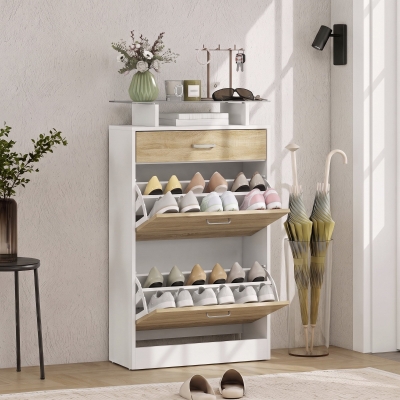
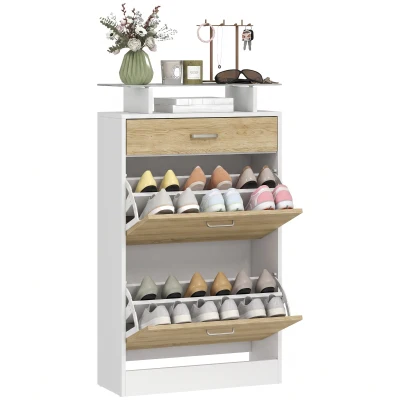
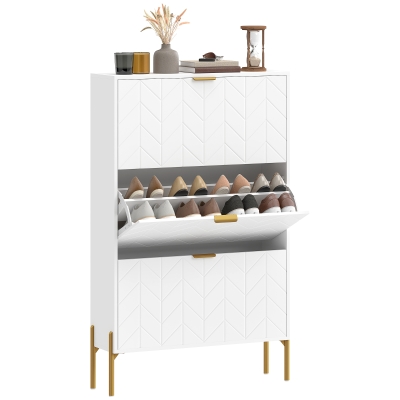
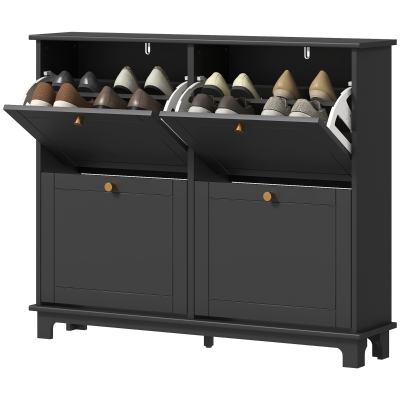
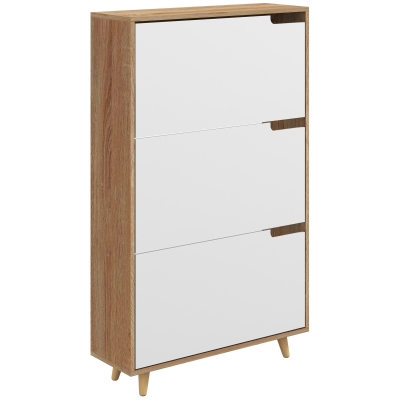
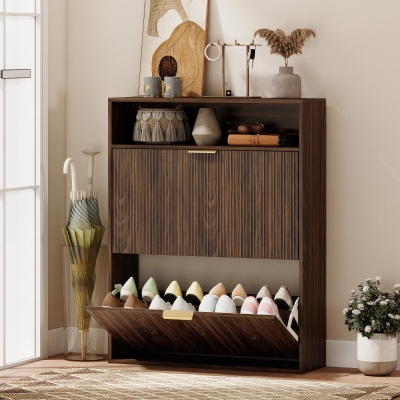
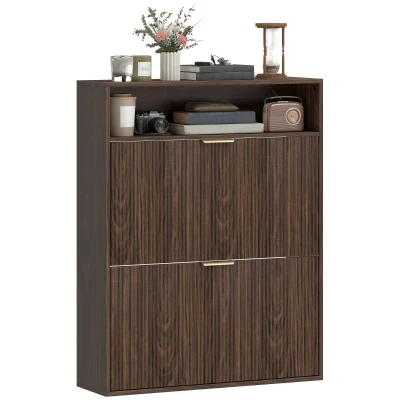
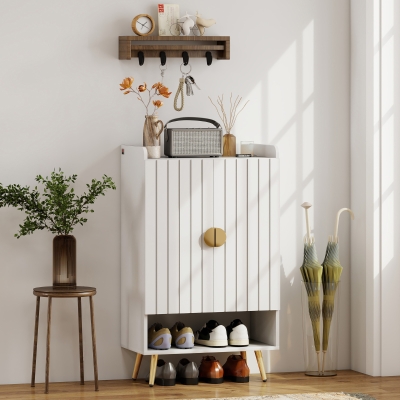
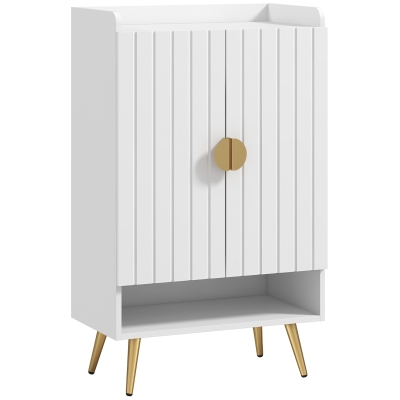
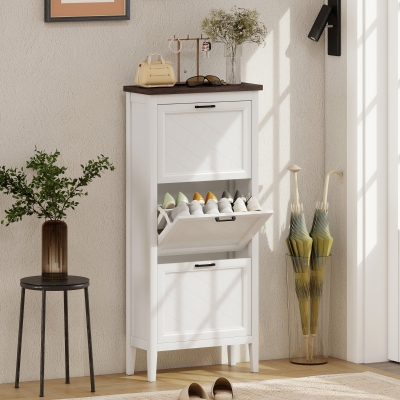
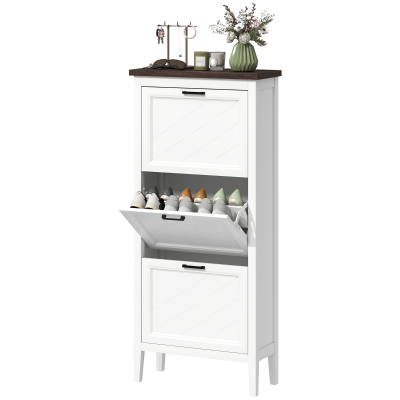
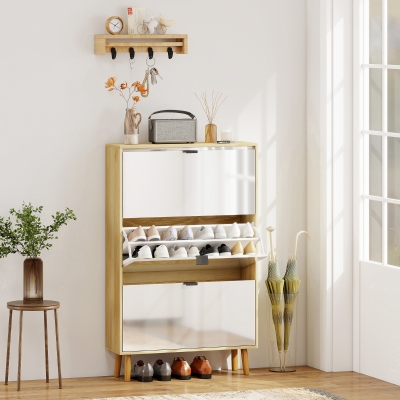
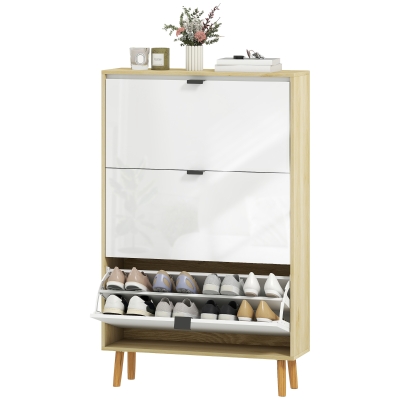
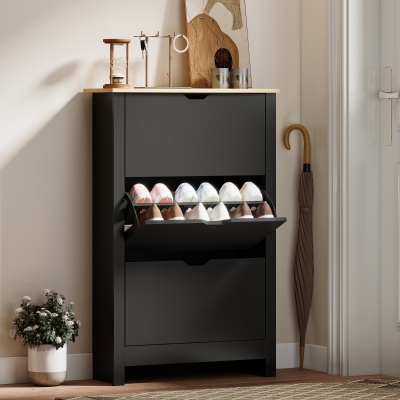
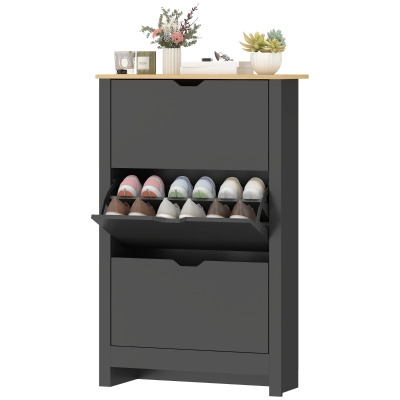
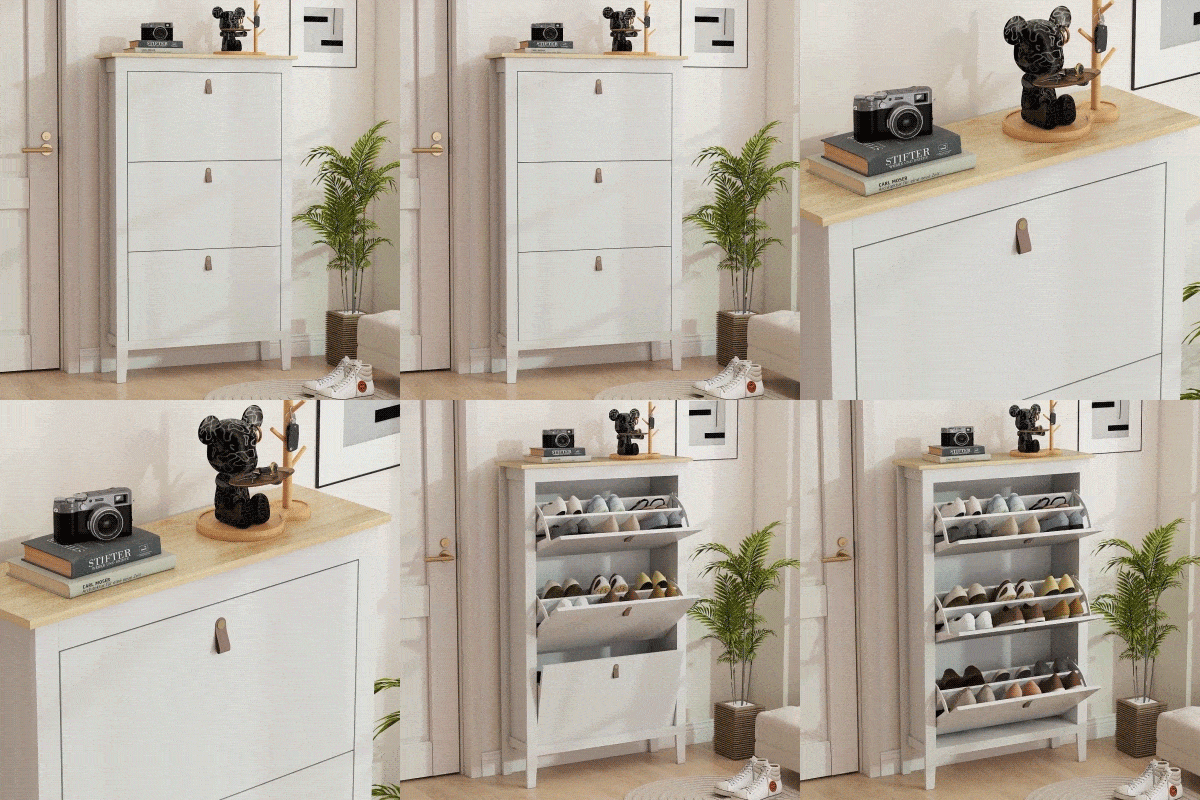
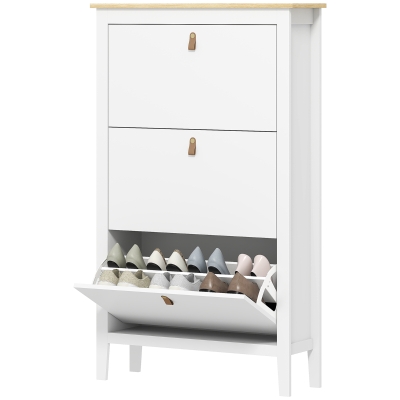
Narrow shoe cabinets provide enclosed footwear storage while taking up less floor space than many conventional cabinets. Slim designs with flip drawers are useful for compact entryways, hallways and apartments. The HOMCOM slim shoe cabinet with two flip drawers for eight pairs of shoes has a depth of 9.3 inches. For a different storage layout, the HOMCOM narrow entryway shoe cabinet with doors and open shelf combines enclosed storage with an additional open compartment.
Flip-Drawer Shoe Storage Cabinets
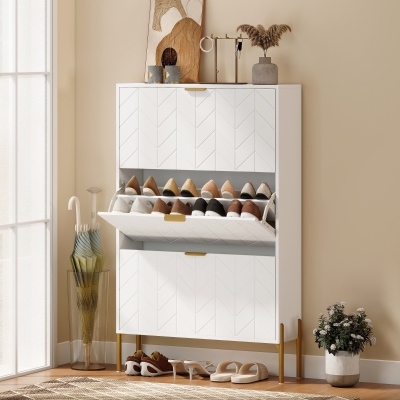
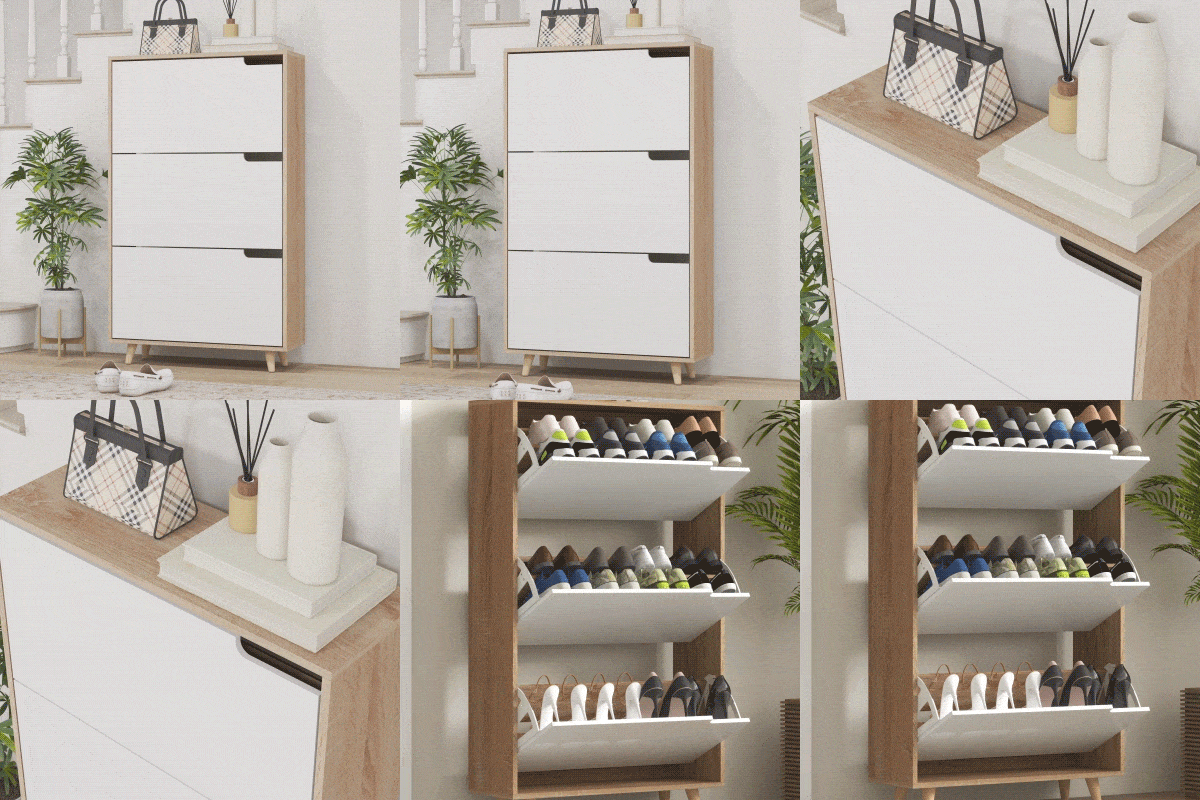
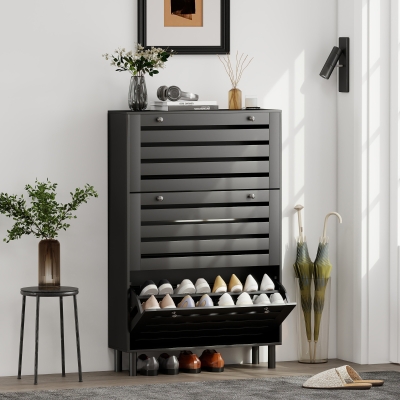
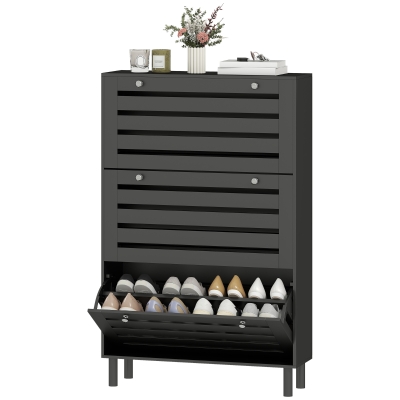
Flip-drawer shoe cabinets store footwear behind tilting panels, keeping shoes concealed and accessible. These designs are available with different drawer counts and adjustable internal dividers. The HOMCOM three-drawer flip-down shoe storage cabinet is designed to hold up to 24 pairs of shoes, subject to footwear size. For a taller configuration, the HOMCOM four-drawer shoe cabinet with adjustable shelves offers storage for approximately 18–24 pairs, depending on shoe dimensions.
Shoe Cabinets with Doors and Shelves
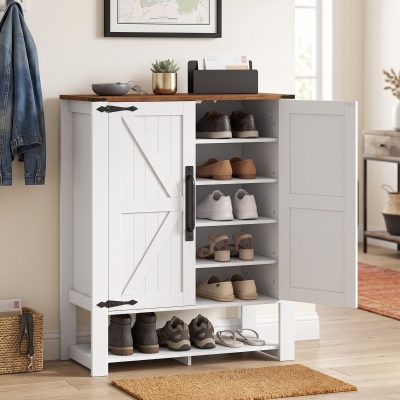
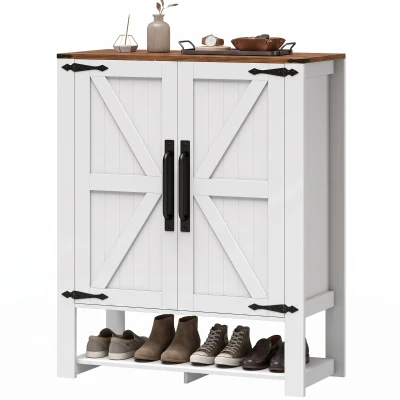
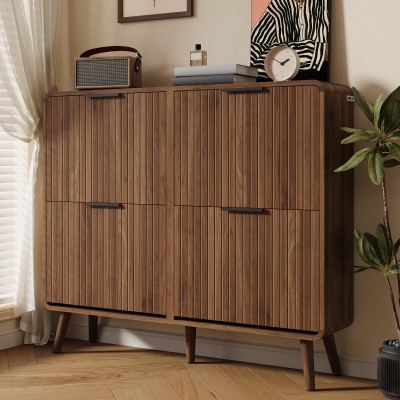
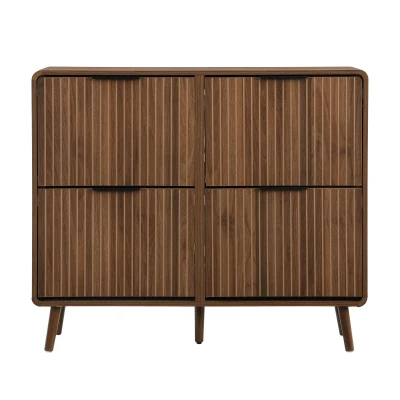
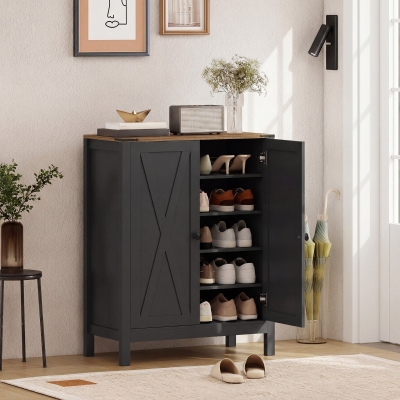
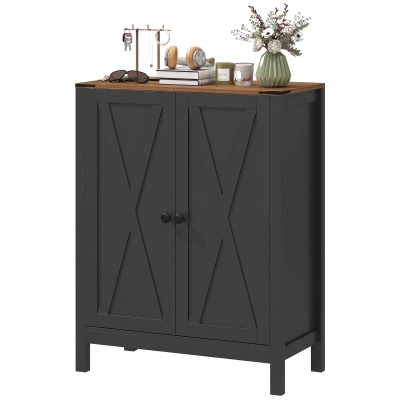
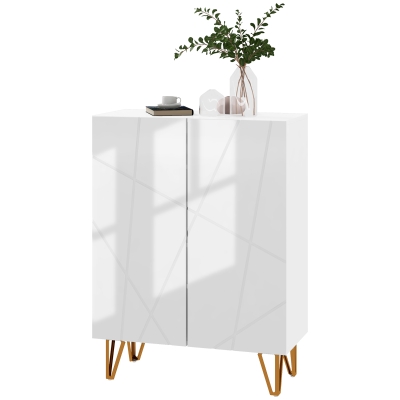
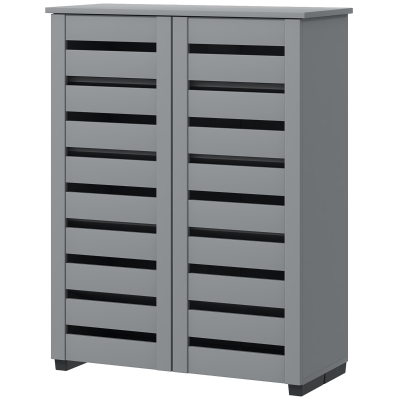
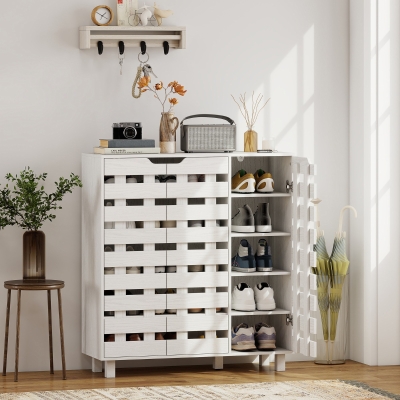
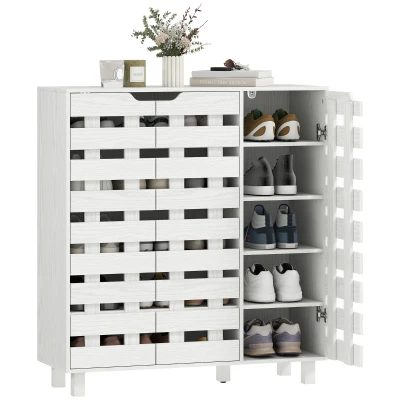
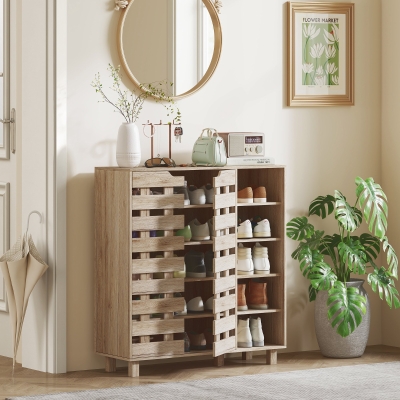
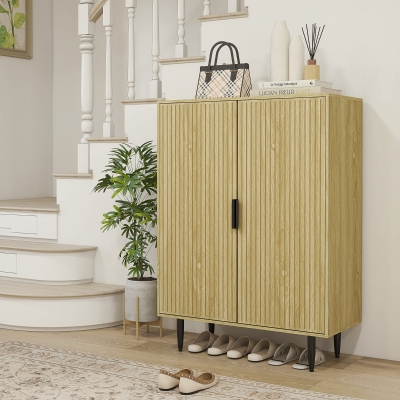
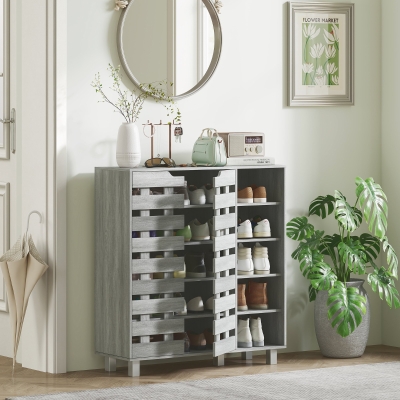
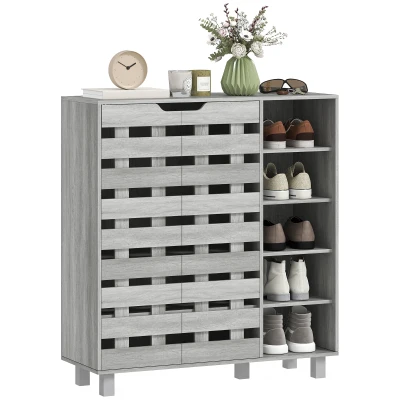
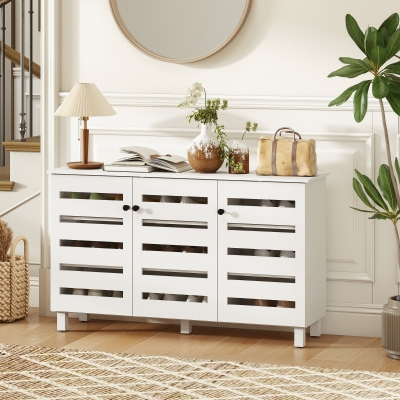
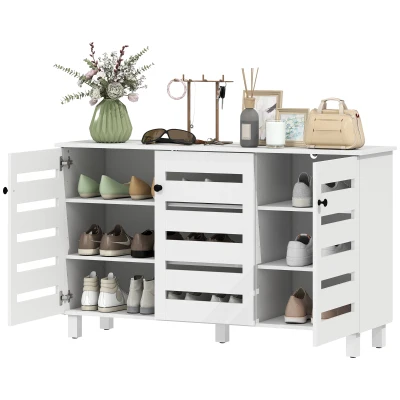
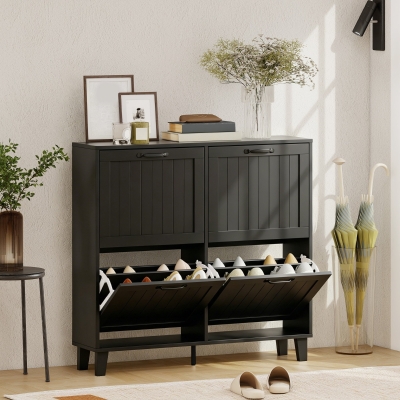
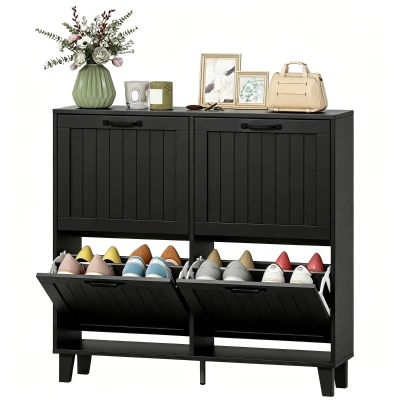
Shoe cabinets with hinged doors provide an alternative to flip-drawer storage. Some designs have adjustable internal shelves, top drawers or slatted door panels. The HOMCOM shoe storage cabinet with louvered doors and top drawer combines enclosed shelving with additional space for smaller entryway essentials. Slatted doors also allow air to pass through the cabinet.
Shoe Storage Benches and Entryway Organizers
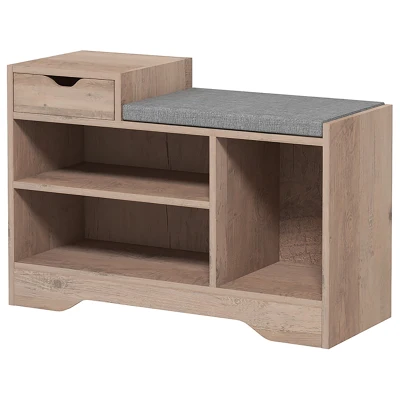
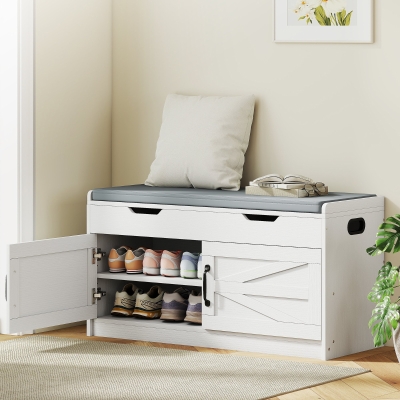
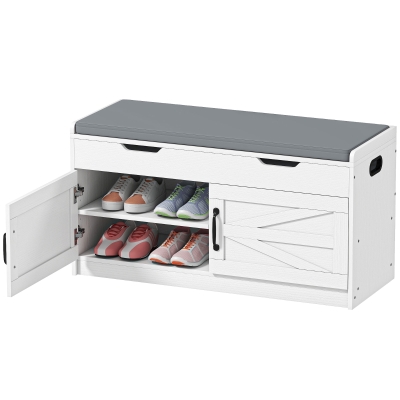
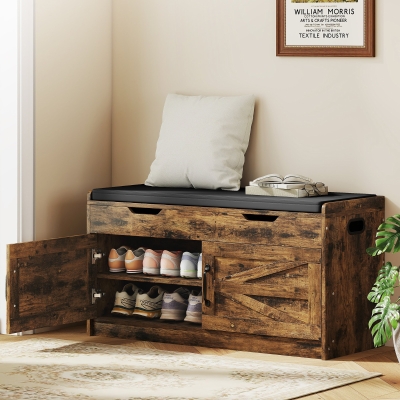
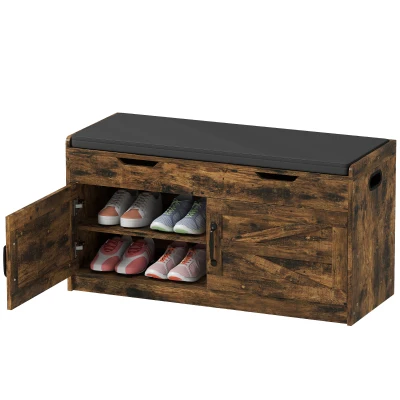
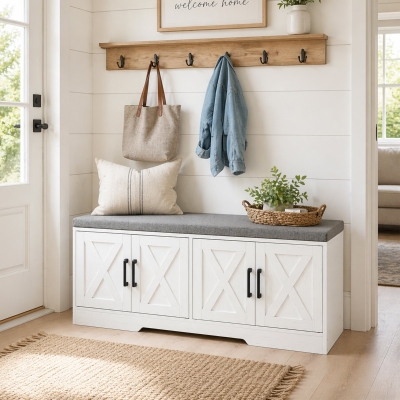
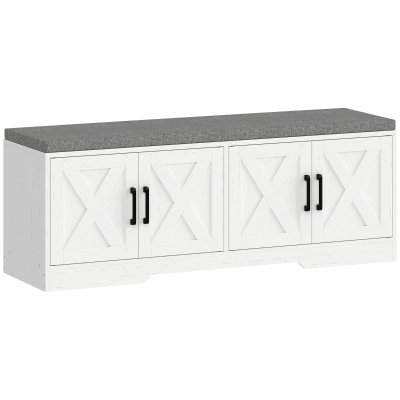
Shoe benches combine footwear storage with a seating area for putting on or removing shoes. Depending on the design, storage may include shelves, cabinets or hidden compartments beneath the seat. The HOMCOM entryway shoe storage bench with cushioned seat and adjustable shelves offers enclosed shoe storage and additional hidden space. For other seating and storage furniture, browse Storage Ottomans & Benches.
How to Choose a Shoe Cabinet
- Available floor space: Measure the width, depth and height of the intended area. Narrow shoe cabinets may suit hallways and entryways with limited space.
- Door clearance: Check whether the cabinet uses flip drawers or hinged doors, and allow enough room to open them fully.
- Shoe capacity: Compare the advertised number of pairs with your actual footwear sizes. Boots, high-top shoes and bulky sneakers may require more storage space than standard low-profile shoes.
- Storage configuration: Flip drawers provide concealed storage, while adjustable shelves allow different footwear arrangements. Open compartments can keep frequently used shoes accessible.
- Ventilation: Slatted or louvered doors may provide additional airflow. Store footwear clean and dry to help maintain the cabinet.
- Materials and finishes: Compare MDF, particleboard and other listed materials, along with the cabinet's finish and cleaning requirements.
- Safety and stability: Check the product's assembly instructions and anti-tip requirements. Tall or narrow cabinets may require secure wall anchoring.
Frequently Asked Questions About Shoe Cabinets
What is the best shoe cabinet for a narrow hallway?
A slim shoe cabinet with flip drawers is often a practical option because it uses less floor depth than many traditional storage cabinets. Measure both the cabinet depth and the clearance needed to open the drawers before purchasing.
What is the difference between a shoe cabinet and a shoe rack?
A shoe cabinet typically stores footwear behind doors or drawer panels, helping keep the entryway visually organized. A shoe rack usually provides open shelves for easier access and airflow. The better choice depends on the amount of footwear, available space and preferred storage style.
Are flip-drawer shoe cabinets suitable for large shoes?
Some flip-drawer cabinets have adjustable or removable internal dividers, allowing more space for different footwear sizes. However, the available depth and compartment dimensions vary. Check the individual product specifications before storing large sneakers, boots or high-top shoes.
How many pairs of shoes can a storage cabinet hold?
Capacity depends on cabinet size, shelf configuration and footwear dimensions. Some compact cabinets accommodate around eight pairs, while larger multi-drawer designs offer space for more shoes. Advertised capacities should be treated as product-specific estimates rather than guaranteed counts for every footwear type.
Should I choose a shoe cabinet with doors or flip drawers?
Flip-drawer cabinets are useful for organized storage in narrow areas, while cabinets with hinged doors may provide more flexibility for arranging footwear on shelves. Compare the internal dimensions, available door clearance and adjustment options.
Can a shoe storage cabinet be used in a small apartment?
Yes. Compact shoe cabinets can help organize footwear in apartments, hallways and entryways. Look for a design that fits the available floor space, provides adequate door clearance and can be installed according to the manufacturer's safety instructions.
Showing
61-90
of
268
Results
0 of 5 items


