


Min
Toddler & Kids Furniture


























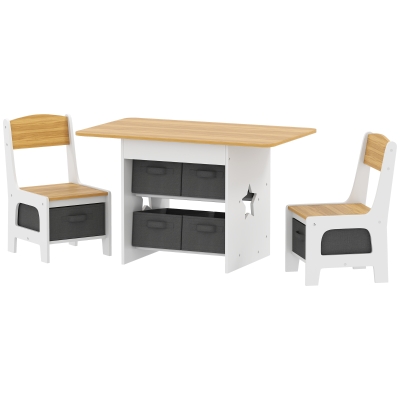


Kids Furniture for Bedrooms, Playrooms and Everyday Activities
Creating a comfortable, practical space for children starts with choosing furniture that suits their size, activities and everyday routines. At Aosom Canada, our kids furniture collection includes toddler beds, children's desks and chairs, activity tables, toy storage organizers, bookshelves, bedroom furniture, upholstered seating and step stools. Explore options from Qaba, HOMCOM and other available brands for nurseries, bedrooms, playrooms and study areas.
Children's furniture differs from standard adult furniture in its dimensions, intended users and design features. A toddler-sized table can provide a dedicated surface for drawing and crafts, while a study desk may offer more room for schoolwork and supplies. Accessible bookshelves and storage bins can help organize toys and books. Before purchasing, consider your child's age, height, the available floor space and the manufacturer's recommended use.
Explore Furniture for Different Kids' Spaces
Kids' Desks and Chair Sets for Learning
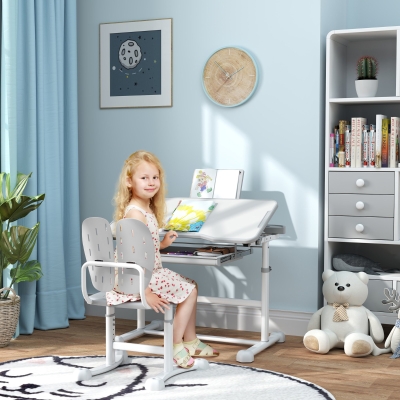
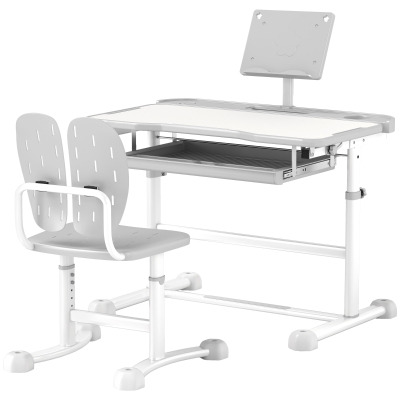
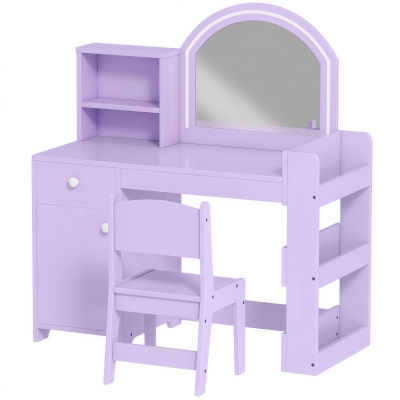
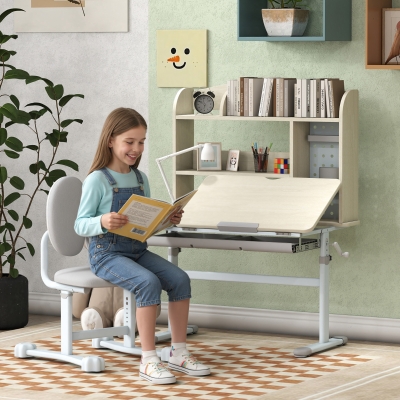
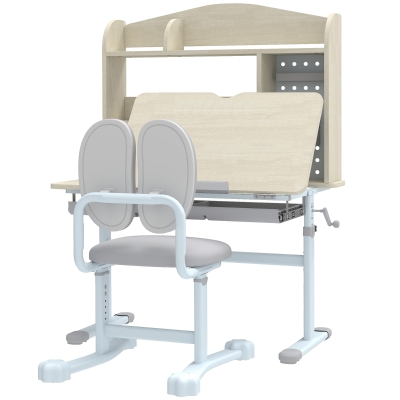
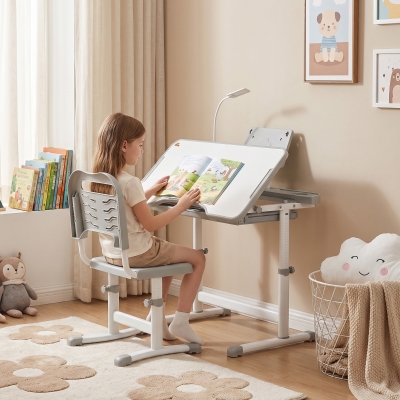
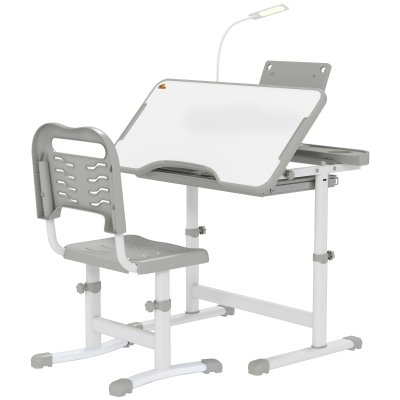
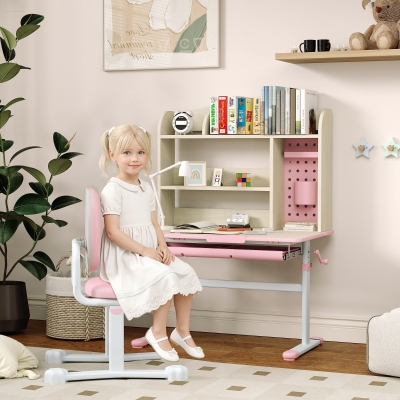
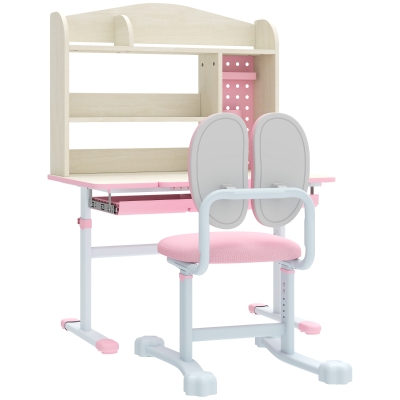
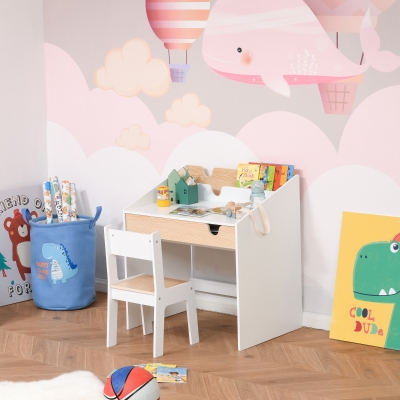
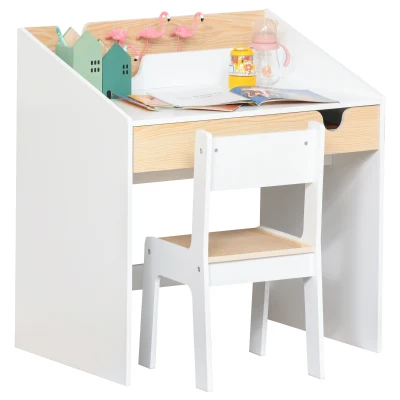
A dedicated study area can provide space for reading, writing, drawing and school activities. Our kids' desk sets include children's study desks with matching chairs, storage drawers, shelves and selected adjustable-height designs. Some models feature tilting desktops that offer different working angles for suitable activities.
When comparing desks, check the tabletop height, chair dimensions, adjustment range and available storage. A suitable set should allow the child to sit comfortably with an appropriately supported posture. Age recommendations are useful starting points, but actual body measurements and product dimensions are equally important.
Kids' Table and Chair Sets for Play and Creativity
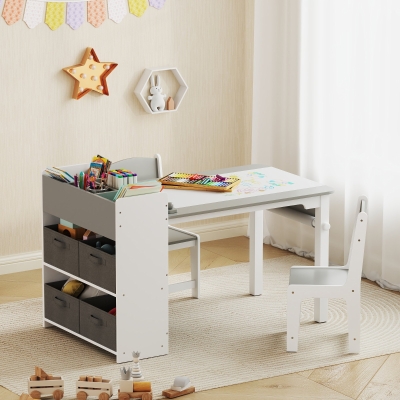
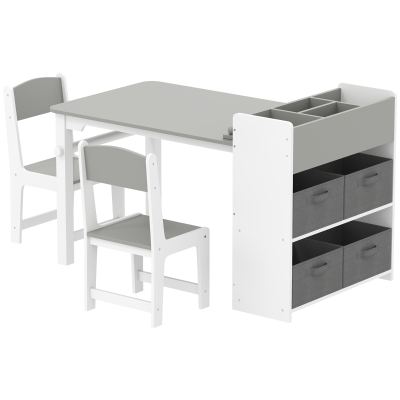
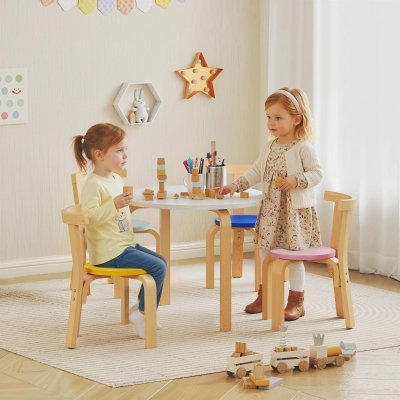
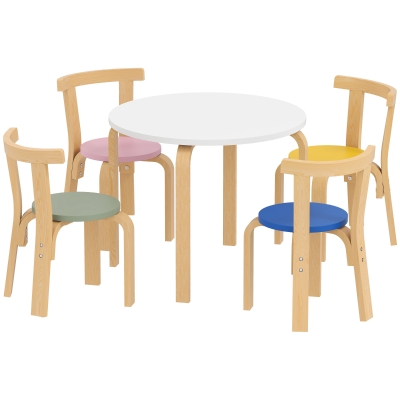
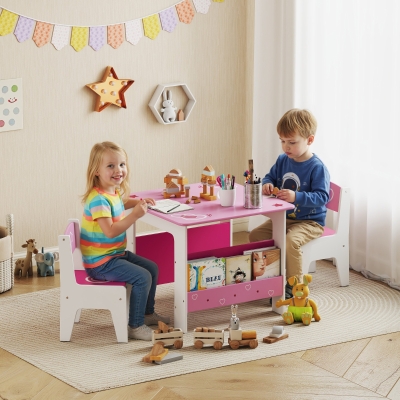
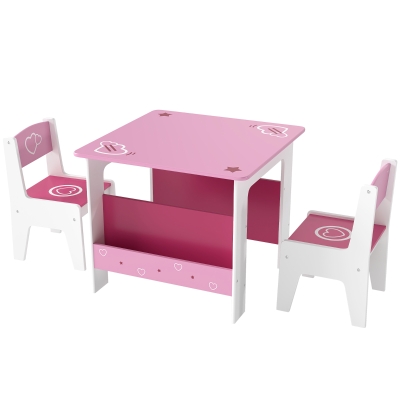
Children's activity tables are designed for activities such as colouring, puzzles, crafts and imaginative play. Unlike study desks, they often provide a simpler, shared surface. Selected sets include two or four matching chairs, removable storage components, reversible tabletops or adjustable heights.
Browse our kids' table sets to compare different configurations. A compact two-chair set may suit a small bedroom, while a larger table can provide seating for siblings or group activities. Check the complete footprint, including the space needed to pull out the chairs.
Toy Storage, Bookshelves and Organizers
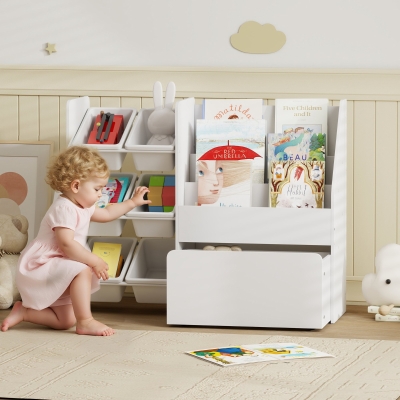
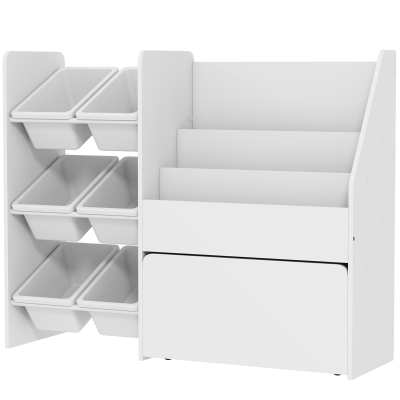
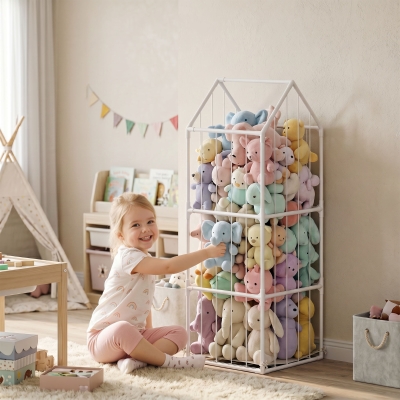
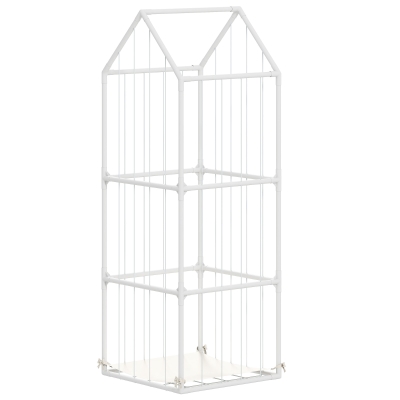
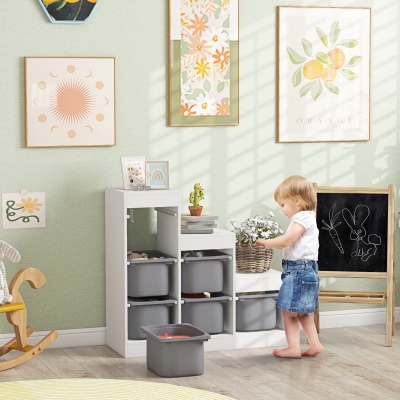
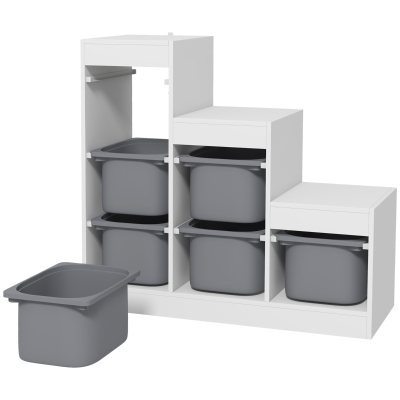
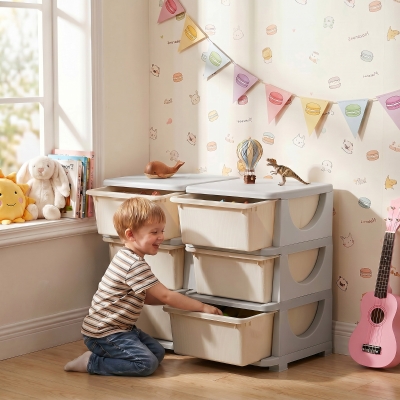
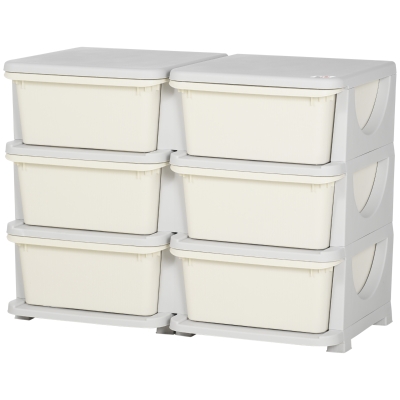
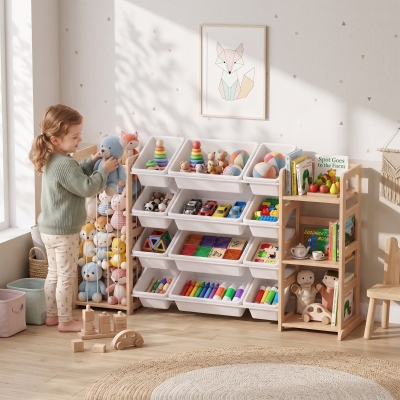
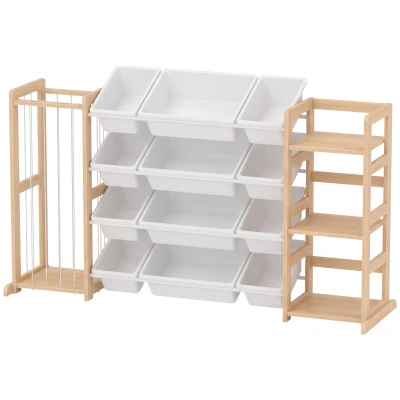
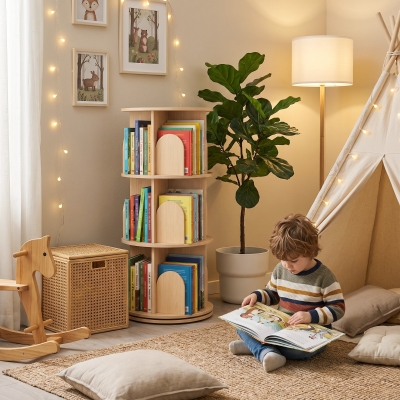
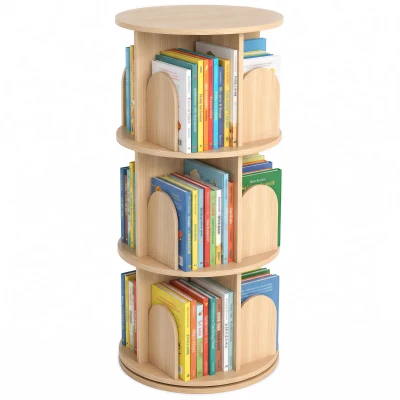
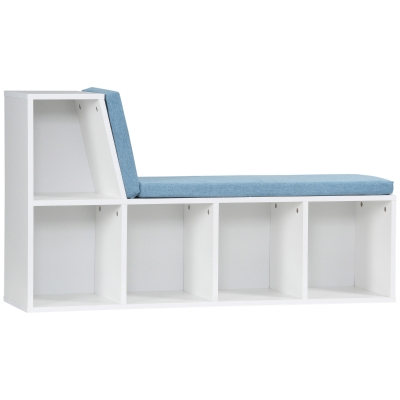
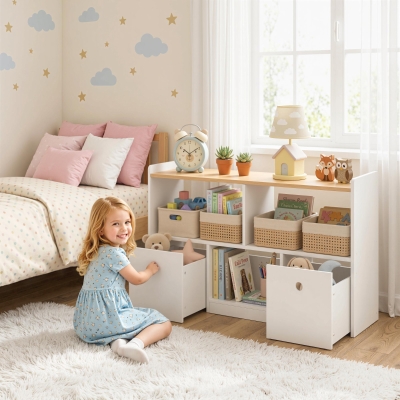
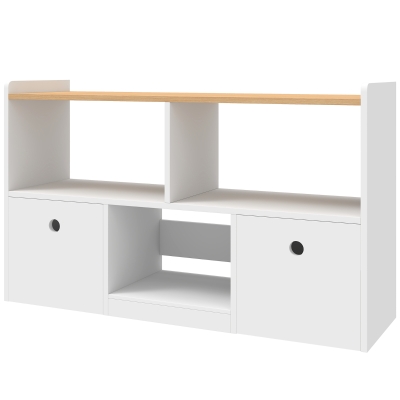
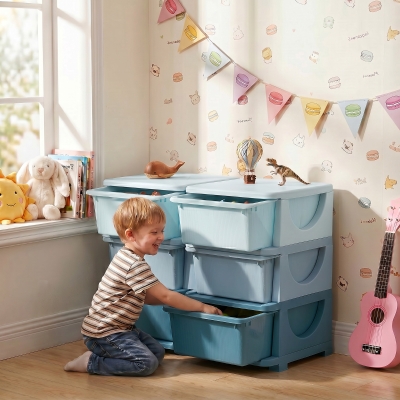
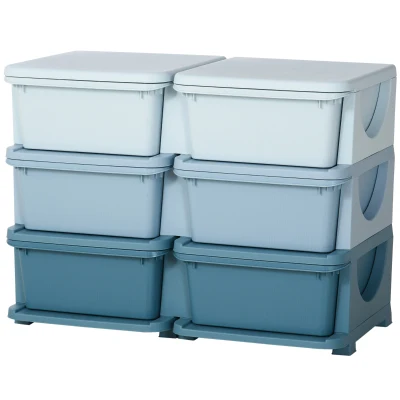
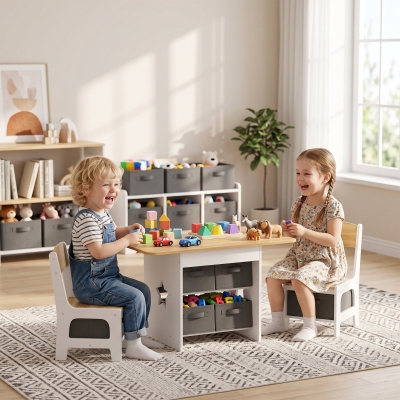
Children's storage furniture helps keep books, toys, craft supplies and other belongings organized. Our baby and kids' storage collection includes toy organizers with removable bins, display bookshelves, fabric book racks, storage chests and shelving units with seating areas.
Different storage designs suit different needs. Open bins offer convenient access to frequently used toys, while front-facing bookshelves make book covers easier to see. Cubby shelves help separate belongings into categories, and storage chests provide space for larger loose items. For units with lids or drawers, examine the opening mechanism and any relevant safety features.
Toddler Beds and Kids' Bedroom Furniture
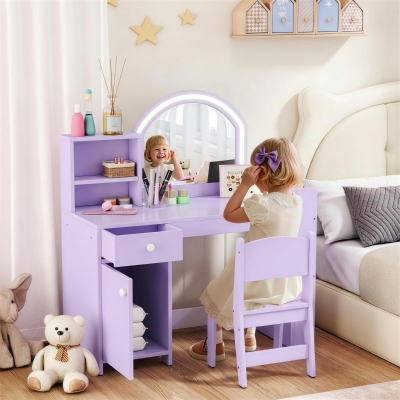
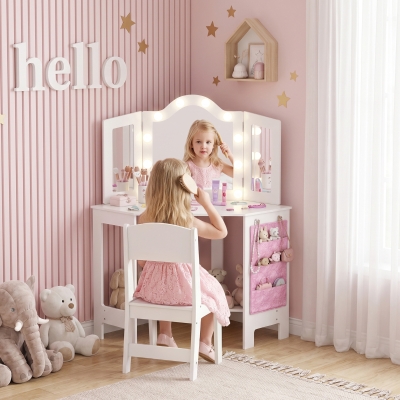
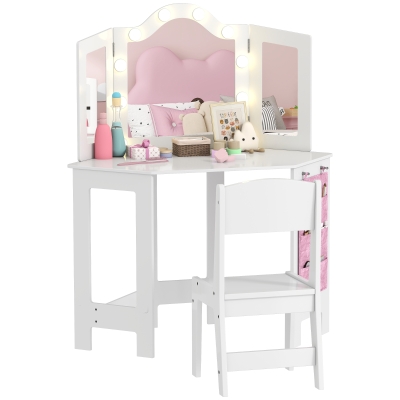
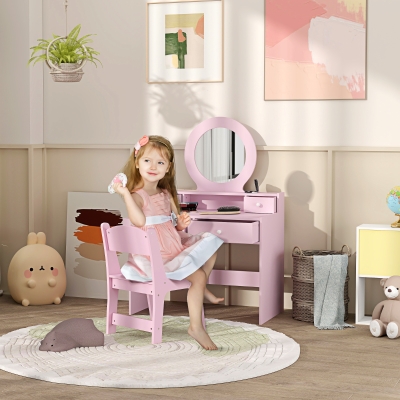
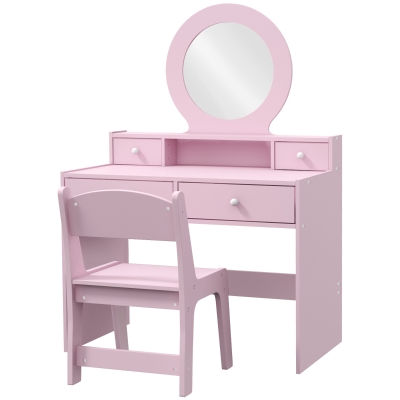
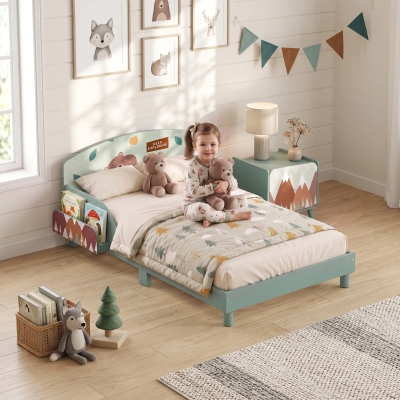
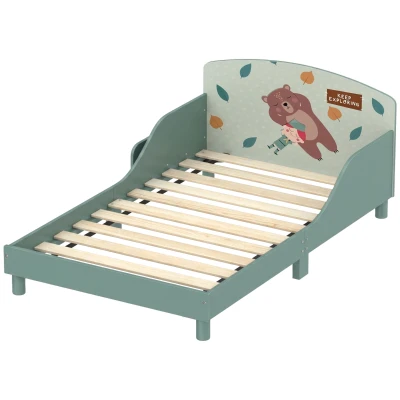
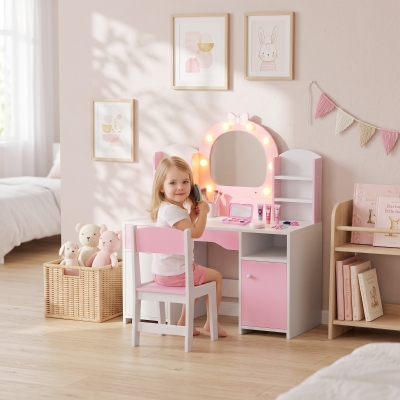
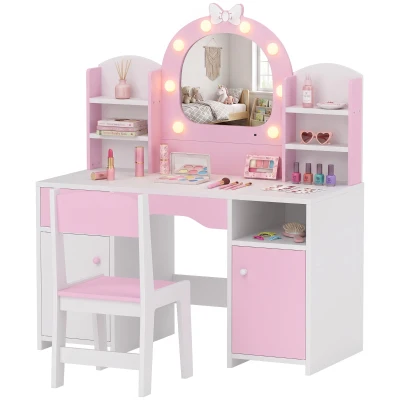
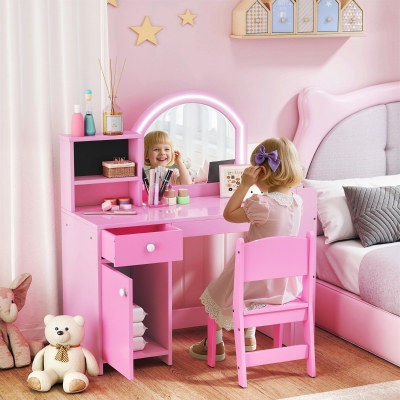
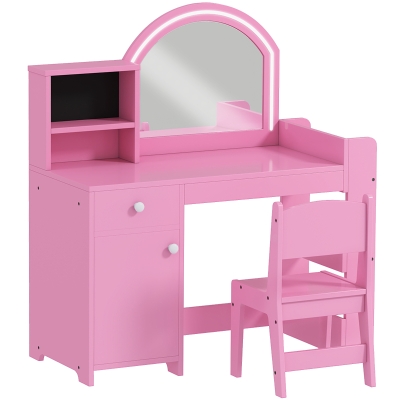
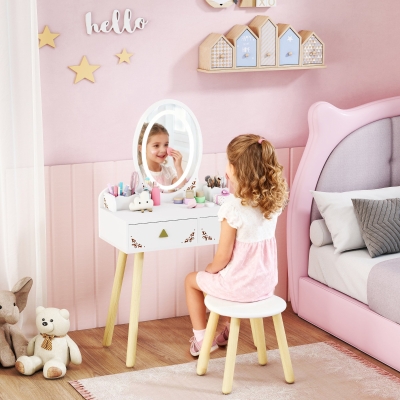
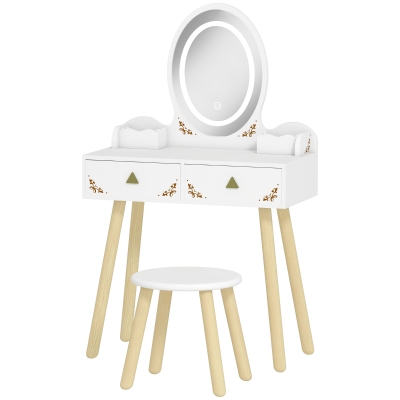
Children's bedroom furniture includes selected toddler beds, house-style bed frames, dressing tables, vanities and clothing storage pieces. Explore our kids' bedroom furniture for products designed for different bedroom layouts and age groups.
When selecting a bed, confirm the manufacturer's recommended age and weight limits, mattress dimensions, guardrail design and overall assembled size. Toddler beds and twin bed frames are not interchangeable, and mattress compatibility must be checked for each model. For dressing tables and vanities, compare tabletop height, storage arrangements and available floor space.
Kids' Chairs, Sofas and Seating
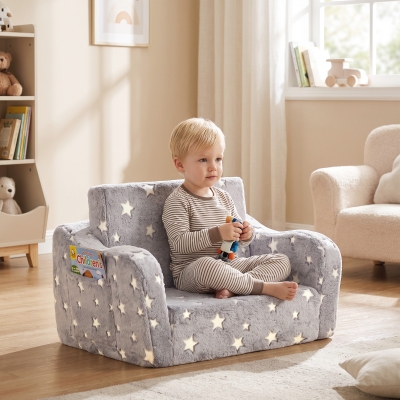
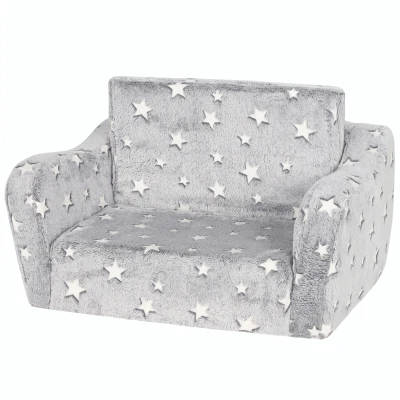
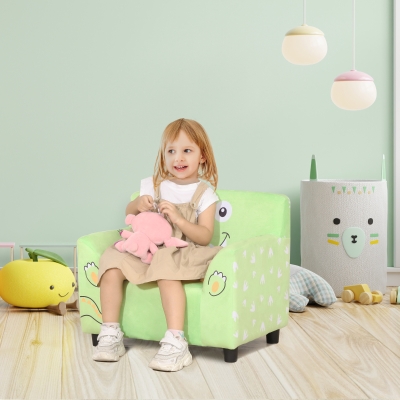
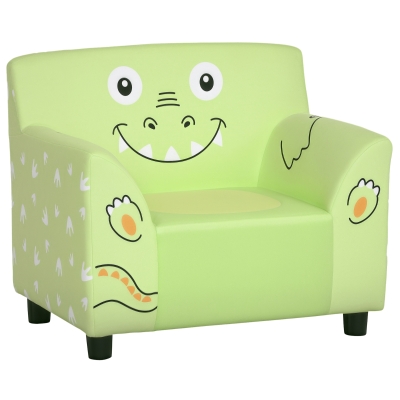
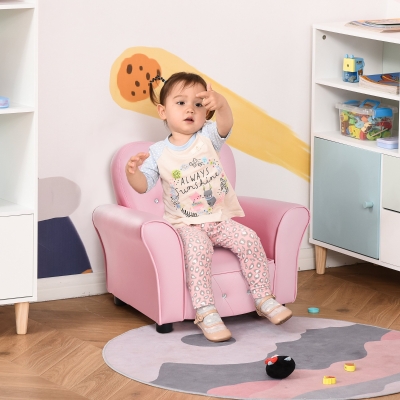
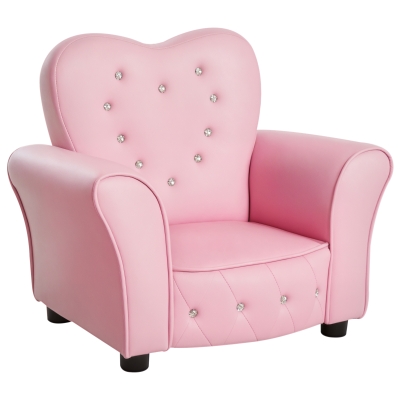
Child-sized seating can provide a separate place for reading, relaxing or quiet activities. Our kids' chairs and seating selection includes toddler armchairs, compact sofas, convertible seating and selected high chairs.
Compare seat height, overall dimensions, materials and recommended ages. Some upholstered options are intended for relaxation rather than desk work. High chairs have different safety and usage requirements from ordinary children's chairs, so follow the product-specific instructions and restraint guidance.
Toddler Step Stools and Kitchen Helper Towers
Step stools and kitchen helper towers provide a raised standing platform for appropriate supervised activities. Selected models include support handles, surrounding rails, adjustable platforms or non-slip surfaces.
Explore our toddler and kids' step stools to compare platform heights and designs. Check the product's age and weight limits, assembled footprint and stability requirements. These products are not substitutes for high chairs, and children should never use them without appropriate adult supervision.
How to Choose the Right Kids Furniture
1. Choose Furniture Based on Age, Height and Intended Use
Furniture for toddlers, preschoolers and school-aged children may differ considerably in size and function. A low activity table may be appropriate for younger children, while a height-adjustable desk may offer greater flexibility for school-aged users.
Do not rely on age labels alone. Compare the child's measurements with the product's seat height, tabletop height, reach distance and weight limit. When using a desk, the chair should allow comfortable seating with suitable foot support.
2. Measure the Room Before Buying
Measure the available floor space and identify the locations of doors, windows, closets and walkways. Leave enough clearance to open drawers, pull out chairs and move safely around the furniture.
For smaller bedrooms, furniture that combines shelving with storage bins may be more practical than several separate organizers. In playrooms, a table with accessible toy storage nearby can help keep activities within one defined area.
3. Compare Furniture Materials and Care Requirements
Kids' furniture in this collection includes products made with wood, MDF, polypropylene and other materials. Each has different characteristics. Wood and engineered-wood furniture can provide rigid structures, while some plastic components are lightweight and easy to wipe clean. Upholstered seating requires care appropriate to its covering material.
Check the specific product's construction, finish, cleaning instructions and recommended environment. Avoid assuming that all wooden furniture is solid wood or that every plastic or fabric component is waterproof.
4. Prioritize Stability and Appropriate Safety Features
Safety is particularly important for furniture used around young children. Check for stable construction, appropriate weight limits, secure connections and any required wall-anchoring components. Bookshelves, dressers and other climbable storage furniture can present tip-over hazards if not properly secured.
Follow the manufacturer's assembly instructions and use suitable anti-tip hardware where required. Keep heavier belongings on lower shelves, close drawers after use and teach children not to climb furniture. Review applicable product warnings before installation.
5. Think About Storage and Changing Needs
Choose furniture based on the activities your child currently enjoys and the amount of storage needed. Removable bins can make sorting toys easier, while adjustable desks may accommodate changes in working height within their specified range.
Check whether a product can be reconfigured or adjusted before purchasing. Not every children's furniture item is designed to grow with a child, and all furniture should remain within its stated usage limits.
Furniture Ideas for Small Bedrooms and Playrooms
- Small children's bedrooms: Consider compact bedside storage, a suitably sized bed and a low bookshelf that leaves room for movement.
- Playrooms: Combine an activity table with organized toy bins and accessible book storage to create separate spaces for crafts and reading.
- Study corners: A kids' desk and matching chair with practical storage can help organize books, stationery and school materials.
- Shared spaces: Multi-chair activity tables and clearly divided storage bins can provide areas for different activities.
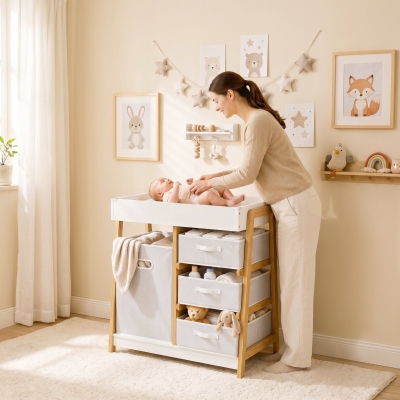
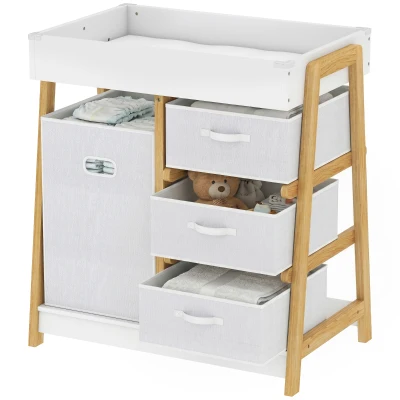
- Nurseries: Choose appropriate changing and storage furniture while keeping the floor area clear and securing any furniture that could tip over.
Shop Kids Furniture at Aosom Canada
From toddler furniture and bedroom storage to study desks, activity tables and child-sized seating, Aosom Canada offers furniture for a range of everyday activities. Compare dimensions, materials, recommended ages, storage features and assembly requirements to choose pieces that work together in your child's space.
Start with the room's main purpose, then select furniture that supports the activities and storage needs of the people using it. A carefully planned arrangement can help make bedrooms and playrooms more practical without overcrowding the available space.
Frequently Asked Questions About Kids Furniture
What furniture does a toddler need in their bedroom?
A toddler's bedroom may need an age-appropriate bed, accessible storage for clothing and toys, and a small bookshelf. A child-sized table and chair can be useful if there is enough space. Prioritize safe sleeping arrangements, stable furniture and clear walking areas before adding decorative pieces.
What is the difference between a kids' activity table and a study desk?
An activity table is generally intended for play, crafts and shared activities. A study desk provides a dedicated surface for reading, writing and schoolwork, sometimes with drawers or adjustable features. Choose based on the child's activities, size and available room rather than age alone.
Are adjustable kids' desks worth buying?
An adjustable desk can be useful when the available height settings match a child's changing needs. However, adjustability does not guarantee a comfortable fit. Check the actual height range, matching chair dimensions, stability and recommended weight limits before purchasing.
What is the best storage furniture for a small playroom?
Low bookshelves and toy organizers with removable bins are practical options for many small playrooms. Open bins can keep frequently used toys accessible, while shelves organize books and larger items. Measure the furniture footprint and secure storage units appropriately to reduce tip-over risks.
What is the difference between a toddler bed and a twin bed?
A toddler bed is generally smaller and designed for an appropriate younger age group, while a twin bed uses a larger sleeping surface. Mattress dimensions, support structures and guardrail requirements vary. Always confirm the exact mattress size and recommended age for the selected bed frame.
Which is better for kids' furniture: wood, MDF or plastic?
No single material is best for every type of children's furniture. Wood and MDF are used in many desks, beds and storage units, while plastic components may be convenient for certain tables, bins and step stools. The better choice depends on construction quality, intended use, stability and maintenance requirements, not material alone.
How can I make kids' storage furniture safer?
Follow the assembly instructions, secure furniture against tipping where appropriate and avoid placing heavy objects on high shelves. Keep drawers closed when not in use, inspect hardware regularly and discourage climbing. Furniture with a stable appearance can still tip if a child pulls on or climbs it.
How do I choose furniture that will suit my child as they grow?
Look for appropriate size ranges, adjustable features where available and storage that can serve different activities. Compare the child's current measurements with the product's specifications, and consider how the furniture will fit the room over time. Never exceed the manufacturer's age, size or weight limits simply to extend a product's use.
0 of 5 items


