



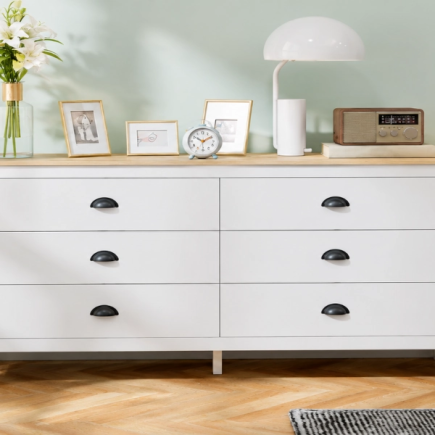

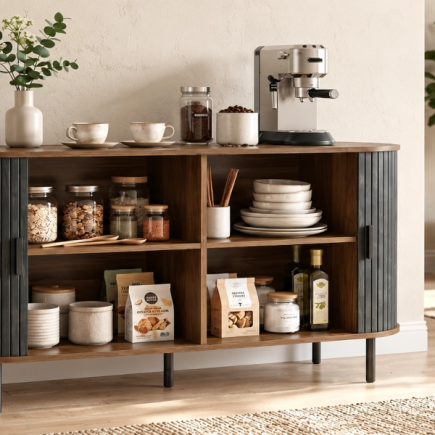
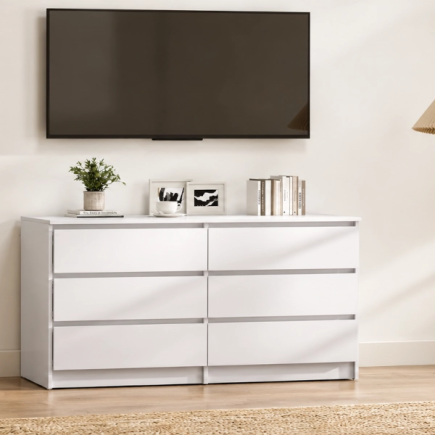


















Choosing the right kitchen cabinet is essential for creating a functional and organized kitchen. It not only affects how much you can store but also how efficiently you can access everyday items. A well-selected cabinet improves workflow, reduces clutter, and enhances the overall look of your kitchen.
With a wide range of styles, materials, and configurations available, selecting the right cabinet can feel overwhelming. However, by focusing on key factors such as storage needs, size, durability, and design, you can make a confident and practical decision.
1. Define Your Storage Needs and Kitchen Layout
Before selecting any cabinet, understand what you need to store and how your kitchen is used. A well-planned cabinet should support your daily routine instead of creating inconvenience.
Think about how often you use certain items and where they should be placed. Everyday items should stay within easy reach, while seasonal or less-used items can be stored higher or deeper.
Key considerations:
- Types of items (cookware, pantry goods, appliances).
- Available floor and wall space.
- Kitchen workflow and movement area.
- Placement near cooking and prep zones.
Pro Tip: Divide your kitchen into zones such as prep, cooking, and storage to improve efficiency.
2. Choose the Right Cabinet Type
Different cabinet types are designed for different purposes. Choosing the right combination ensures better organization and easy access.
Best uses for each type:
- Base cabinets: Ideal for heavy items like pots, pans, and appliances.
- Wall cabinets: Perfect for dishes and frequently used items.
- Tall pantry cabinets: Great for bulk storage and vertical space utilization.
- Freestanding cabinets: Flexible option for changing layouts.
- Corner cabinets: Efficient use of unused or awkward spaces.
Tip: A well-organised kitchen makes daily tasks easier, and simple kitchen storage ideas can help maximise every inch without making the space feel crowded.
3. Understand Materials and Durability
The material of your cabinet determines its lifespan and performance. Kitchens involve moisture, heat, and frequent use, so durability is essential.
Common materials explained:
- Solid wood: Premium, long-lasting, and can be refinished.
- Plywood: Strong and moisture-resistant, ideal for long-term use.
- MDF: Smooth surface, best for painted finishes.
- Particle board: Budget-friendly but less durable.
- Laminate finishes: Easy to clean and practical for everyday use.
Smart Tip: Prioritize moisture-resistant materials for better long-term performance.
4. Get the Right Size and Storage Capacity
Choosing the correct size ensures your cabinet fits well and provides enough storage without overwhelming the space.
Instead of focusing only on external dimensions, consider how efficiently the internal space is used.
Important factors:
- Adjustable shelves for flexibility.
- Deep drawers for bulky items.
- Enough vertical space for tall containers.
- Practical shelf and door layout.
Pro Tip: Measure both your available space and your largest kitchen items to avoid fitting issues.
5. Check Construction and Hardware Quality
A cabinet’s durability depends on its construction and hardware. Poor-quality fittings can lead to issues even if the cabinet looks good.
What to look for:
- Smooth drawer operation.
- Soft-close hinges for durability.
- Strong, stable frame.
- Properly aligned doors.
Hardware indicators:
- Metal handles last longer than plastic.
- Strong hinges prevent sagging.
- Anti-tip fittings improve safety.
Tip: Test drawers and door smooth movement usually indicates good build quality.
6. Look for Smart Storage Features
Modern cabinets are designed to improve organization, not just increase storage. Smart features help maximize space and make access easier.
Useful features:
- Pull-out shelves for easy reach.
- Adjustable compartments for flexibility.
- Vertical dividers for trays and boards.
- Door-mounted storage for small items.
Additional features:
- Lazy Susan for corner cabinets.
- Hidden drawers for extra storage.
- Multi-level shelving for better organization.
Tip: In larger kitchens, adding an island can improve both workflow and visual balance, but it’s important to place an island in a kitchen in a way that keeps movement smooth and unobstructed.
7. Focus on Style, Finish, and Maintenance
Cabinet style should match your kitchen while remaining practical to maintain. The right finish can enhance appearance and reduce cleaning effort.
Popular styles:
- Shaker: clean and versatile.
- Modern: sleek and minimal
- Traditional: detailed and classic.
- Rustic: natural and warm.
Finish insights:
- Light colors make spaces feel larger.
- Dark finishes add depth but show dust.
- Matte finishes hide fingerprints better.
Maintenance Tip: Choose a finish that fits your cleaning routine to keep your kitchen looking fresh over time.
Featured Kitchen Pantry Cabinets from Aosom
Aosom Canada offers a range of kitchen cabinets designed for different needs and layouts. Whether you need a large pantry for maximum storage or a compact cabinet for smaller spaces, there are options to suit every setup.
- Large pantry cabinets for vertical storage.
- Multi-door cabinets for organized sections.
- Compact units for space-saving solutions.
- Neutral designs that match different interiors.
Make the Right Choice for Your Kitchen
Choosing the right Kitchen Cabinet comes down to balancing storage, durability, and usability. A well-selected cabinet improves organization, enhances workflow, and makes daily kitchen tasks easier.
Focus on what fits your space and lifestyle, and you’ll create a kitchen that stays functional and organized for years.
FAQs
Start by decluttering and keeping only frequently used items inside. Use organisers like trays, bins, or stackable racks to separate items. Leave some empty space to maintain easy access and better visibility.
Use pull-out baskets or sliding trays to access items at the back. Group similar items together to avoid searching through clutter. Place rarely used items at the back and daily essentials in front.
Maximise vertical space with shelf risers or stackable storage. Use door interiors for hanging small tools or spice racks. Choose multi-purpose storage solutions to reduce wasted space.
Wipe surfaces regularly with a mild cleaner to prevent buildup. Avoid excess moisture, especially around joints and edges. Check hinges and handles occasionally to maintain smooth function.