
















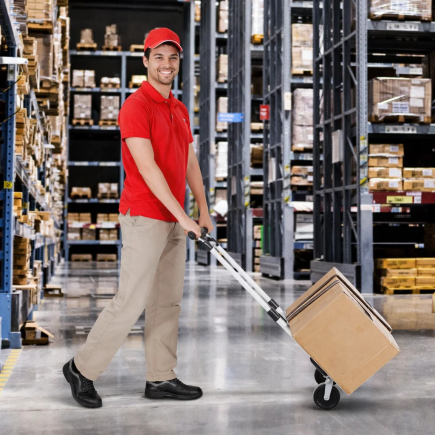
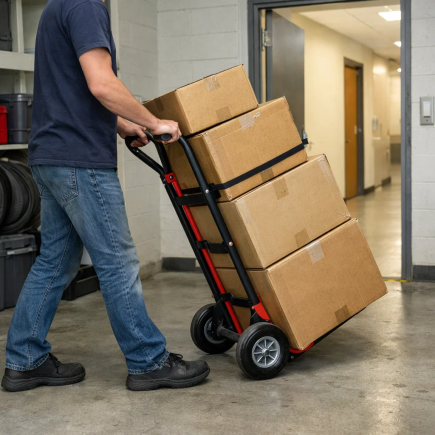

















A hand truck is designed to handle heavy loads, but its performance depends heavily on the condition of its wheels. Over time, wheels wear down from constant friction, weight pressure, and uneven surfaces. When that happens, even a strong hand truck becomes harder to control, less efficient, and more physically demanding to use.
The good news is that replacing hand truck wheels is a simple and cost-effective fix. With the right approach, you can restore smooth movement, improve safety, and extend the life of your equipment without replacing the entire unit. This guide walks through each step clearly so the job can be done quickly and correctly.
Step 1: Identify Worn-Out Wheels Early
Wheels rarely fail without warning. Most problems develop gradually, and spotting them early prevents accidents and unnecessary strain.
A hand truck with worn wheels often feels unstable, noisy, or harder to push. These issues usually come from surface wear, internal bearing damage, or tyre failure.
Common signs to check:
- Flat spots that cause a repeated bump while rolling
- Cracks, splits, or missing rubber sections
- Truck pulling to one side even on flat ground
- Grinding or squeaking noises from the hub
- Pneumatic tyres losing air frequently
- Noticeable wobbling under load
Ignoring these signs increases the risk of dropping loads or damaging items during transport.
Tip: Always replace both wheels together. Even if one looks fine, uneven wear affects balance and control.
Step 2: Select the Correct Replacement Wheels
Choosing the right wheels is the most important part of the process. Incorrect sizing or type can lead to poor performance or installation issues.
Before buying, take a few quick measurements. These ensure the new wheels fit properly and function as expected.
Measure these three things:
- Wheel diameter (typically 8″, 10″, or 12″)
- Axle hole diameter (must match exactly)
- Hub length (prevents rubbing against the frame)
Beyond size, the type of wheel also matters depending on how the hand truck is used.
Wheel type comparison:
- Pneumatic wheels: Best for outdoor use and rough surfaces. They absorb shock well but require air maintenance.
- Solid rubber wheels: Maintenance-free and puncture-proof, ideal for indoor or smooth surfaces.
- TPR or polyurethane wheels: Quiet, durable, and versatile. A good balance between comfort and reliability.
Pro tip: Larger wheels reduce effort when moving over uneven ground by improving rolling efficiency and obstacle clearance.
Step 3: Gather the Tools Before Starting
This is a quick repair, but having everything ready avoids interruptions and makes the process smoother.
Most hand trucks use simple fasteners, so advanced tools are not required.
Basic tools needed:
- Needle-nose pliers
- Flat-head screwdriver
- Hammer or rubber mallet
- Penetrating oil (such as WD-40)
- Work gloves
- Clean cloth or rag
If the wheel has not been removed for a long time, rust or debris may cause it to stick.
Tip: Apply penetrating oil and let it sit for a few minutes before attempting removal. This prevents unnecessary force and protects the axle.
Step 4: Prepare the Hand Truck for Safe Work
A proper setup makes the job easier and safer. Start by removing any load and placing the hand truck on its side. This position gives better access to the axle and prevents movement during the repair.
Preparation steps:
- Empty the hand truck completely
- Lay it on a flat, stable surface
- Inspect how the wheel is attached
There are three common types of axle fasteners, and identifying them early helps avoid confusion.
Types of fasteners:
- Cotter pin (most common on standard models).
- Lock washer or push nut.
- Bolt and nut (often on heavy-duty models).
Step 5: Remove the Old Wheels Carefully
Wheel removal is usually simple, but care is needed to avoid damaging the axle.
Start by removing the fastener based on its type. Once removed, the wheel should slide off the axle.
Basic removal process:
- Straighten and pull out cotter pins.
- Pry off lock washers (these cannot be reused).
- Unscrew bolts and remove nuts if present.
- Slide the wheel off the axle.
If the wheel does not move easily, do not force it.
Tip: Apply penetrating oil and wait before trying again. Light tapping with a mallet can help loosen stubborn wheels without causing damage.
Step 6: Clean and Inspect the Axle
This step is often overlooked, but it plays a key role in performance.
Installing a new wheel on a dirty or damaged axle can cause poor movement and reduce the lifespan of the replacement.
What to check and clean:
- Dirt, grease, or rust buildup.
- Signs of bending or wear.
- Blocked cotter pin hole.
- Surface corrosion.
Once cleaned, apply a light layer of grease or oil.
Why it matters: A clean, lubricated axle allows smoother rotation and prevents the new wheel from seizing over time.
Step 7: Install the New Wheels Properly
With everything prepared, installing the new wheel becomes straightforward.
Slide the wheel onto the axle and position it correctly. Replace any washers in the same order they were removed.
Installation steps:
- Push the wheel fully onto the axle.
- Reinsert washers if present.
- Secure using the correct fastener.
Important checks:
- Use a new cotter pin (never reuse old ones).
- Ensure the wheel spins freely.
- Avoid overtightening bolts.
Tip: If the wheel does not spin smoothly, check alignment and spacing before tightening.
Step 8: Replace the Second Wheel
Even if only one wheel was damaged, replacing both ensures consistent performance.
Using mismatched wheels can cause uneven rolling and reduce control during movement.
Benefits of replacing both:
- Balanced load handling.
- Improved steering control.
- Reduced wear on new wheels.
Step 9: Test Before Full Use
Before using the hand truck normally, perform a quick test to confirm everything is working properly.
This step takes only a few minutes but prevents problems during real use.
Testing checklist:
- Roll the truck on a flat surface.
- Check for smooth and straight movement.
- Listen for unusual noise.
- Ensure no rubbing against the frame.
- Test with a moderate load.
Tip: If you notice slight friction, adding a thin washer can correct spacing issues.
Maintain Wheels for Long-Term Performance
Proper maintenance helps extend the life of your new wheels and keeps the hand truck performing efficiently.
Most wheel failures are caused by neglect rather than heavy use.
Simple maintenance routine:
- Check tyre pressure monthly (for pneumatic wheels)
- Clean wheels after wet or dirty use
- Lubricate the axle periodically
- Avoid storing the truck under heavy load
- Inspect wheels before major tasks
Pro insight: Regular maintenance can double the lifespan of hand truck wheels and reduce long-term costs.
Move Smarter, Not Harder
Replacing hand truck wheels is one of the easiest upgrades you can make to improve performance. It restores smooth movement, reduces physical effort, and helps prevent accidents during heavy lifting.
By choosing the right wheels, installing them correctly, and maintaining them over time, you ensure your Hand Truck stays reliable for years. Small steps like these make a noticeable difference in everyday use, especially when handling heavier loads or working on challenging surfaces.
FAQs
Apply penetrating oil and let it sit for a few minutes before attempting removal. Use gentle tapping with a rubber mallet instead of forcing the wheel off. Avoid excessive pressure, as it can bend or damage the axle permanently.
Yes, but only if the size, axle hole, and hub length match exactly. Switching to pneumatic wheels improves performance on rough surfaces. Solid wheels are better for low-maintenance indoor use.
Using the wrong wheel type for the surface increases friction and damage. Overloading the hand truck beyond its capacity speeds up wear. Lack of cleaning and lubrication also reduces wheel lifespan significantly.
Check if washers are placed correctly and evenly on both sides. Ensure the fastener is secure but not overtightened. If wobbling continues, the axle may be bent or misaligned. Replacing worn wheels early helps prevent accidents and strain.