









A trampoline can turn an ordinary garden into the favourite hangout spot for kids all summer long. But because it takes up so much room and needs plenty of open space to be safe, finding the right place for it takes a bit of thought. Put it in the wrong spot and you could end up with damaged plants, a patchy lawn, or worse, a safety risk.
The good news is that most gardens have at least one spot that works well. In this guide, we’ll cover the best places to put a trampoline in the garden, the areas you should avoid, and a few tips to help you get set up the right way.
How Much Space Do You Need?
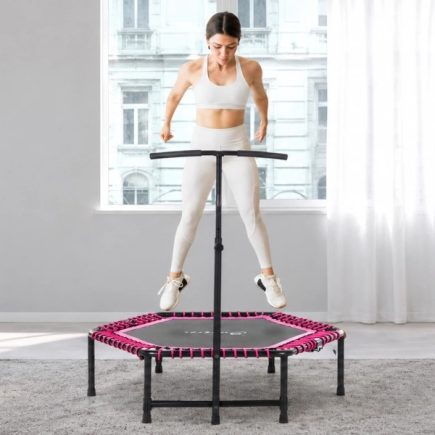
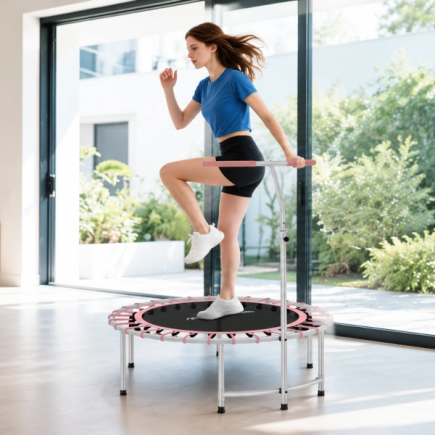
A simple way to work it out is to add 4 metres to the diameter of your trampoline. That gives you 2 metres of clearance all around. For example, a 3-metre trampoline needs an open area about 7 metres wide. If your garden is smaller, a Compact Round Trampoline or a rectangular model can fit more easily, but never cut back on the safety space to squeeze in a bigger one.
Best Places to Put a Trampoline in the Garden
Here are the best spots to set up your trampoline, along with their advantages and who they suit best.
1. An Open, Level Stretch of Lawn
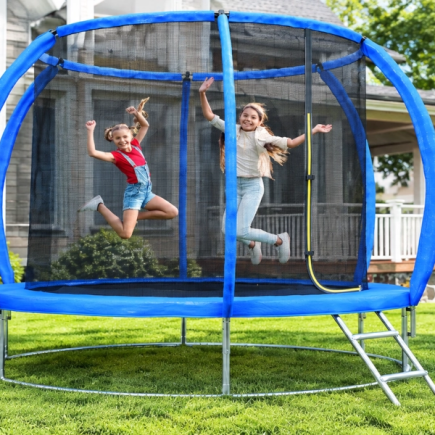
A flat, open area of grass is the classic spot for a trampoline, and for good reason. Grass is soft, drains naturally, and gives the frame a steady base. Look for the flattest part of your garden with plenty of open space on every side. If there are small dips, fill them with topsoil rather than propping the legs up on bricks.
Advantages:
- Grass cushions falls better than most other surfaces.
- Natural drainage keeps the ground firm and stops the frame from rusting.
- Easy to set up, with no extra landscaping needed.
- You can move the trampoline around to give the grass a break.
Best for: Families with a medium to large garden who want a simple, low-cost setup.
2. Within View of the House
Placing the trampoline where you can see it from the kitchen window, back door, or deck makes supervision much easier. You can keep an eye on the kids while cooking, working, or relaxing inside.
Advantages:
- Parents can supervise without being outside the whole time.
- Quicker response if someone gets hurt.
- Kids tend to follow the rules more when they know they can be seen.
- Close to the house for easy access to water, snacks, and first aid.
Best for: Families with younger children who need regular supervision.
3. A Spot With Partial Shade
A place that gets morning sun and some shade in the afternoon keeps the mat from getting too hot and protects it from UV damage. Shade from a building, fence, or nearby trees works well, as long as nothing is hanging directly over the trampoline.
Advantages:
- The mat stays cooler and more comfortable on bare feet.
- Less UV exposure means the mat, net, and padding last longer.
- Kids can play longer on hot summer days without overheating.
- Reduces the risk of sunburn during long play sessions.
Best for: Gardens that get strong afternoon sun, and families who use the trampoline during the hottest part of the day.
4. A Sheltered Corner Away From Strong Winds
Trampolines can catch wind like a sail, especially in open gardens. A spot sheltered by the house, a solid fence, or a hedge helps keep it stable. Just be sure to leave enough clearance so no one can hit them if they come off the trampoline.
Advantages:
- Lower risk of the trampoline lifting or tipping in a storm.
- Less wear and tear on the frame and springs.
- More comfortable for jumpers on breezy days.
- Less debris like leaves and dust blowing onto the mat.
Best for: Homes in open, rural, or lakeside areas, or any garden that gets regular strong winds.
5. A Dedicated Play Area With a Soft Surface
If you already have a play zone covered with bark mulch, rubber mulch, or sand, it can be a great home for your trampoline. These surfaces are forgiving if someone falls and keep your main lawn looking tidy.
Advantages:
- Excellent cushioning for falls around the edges.
- No yellow or dead patches of grass to worry about.
- Keeps all the play equipment in one organized area.
- Low maintenance, with no mowing needed under or around the trampoline.
Best for: Families who already have a swing set or play structure in their garden.
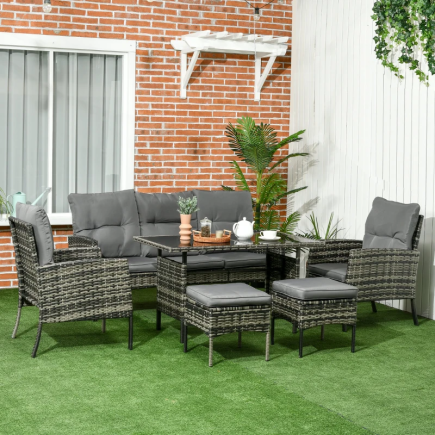
6. On Artificial Turf
Artificial turf is a great option if you want a clean, green look without worrying about dead grass under the mat. It stays soft, drains well, and keeps your garden looking neat. Just make sure it’s laid on a level base with good padding underneath.
Advantages:
- Looks like real grass without the upkeep of a lawn.
- Stays green all year, even through dry summer spells.
- Drains quickly after rain, so the ground stays firm.
- Softer landing than patio stones or decking.
Best for: Families who want a neat-looking garden, and homes where grass struggles to grow.
Where Not to Put a Trampoline
Some spots can put jumpers at risk or damage your garden, so it’s best to avoid these areas.
Under Trees
Overhanging branches are a hazard for high bouncers. Falling leaves, sap, twigs, and bird droppings will also stain and wear down the mat, and tree roots can leave the ground uneven.
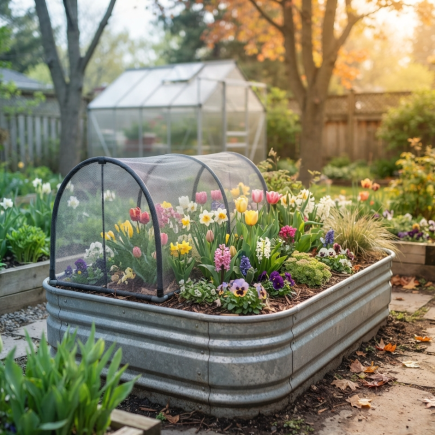
Next to Flower Beds or Vegetable Patches
Kids climbing on and off will trample anything nearby, and landing in a rose bush is no fun. Keep beds and borders well away from the trampoline, and avoid areas near bee-friendly flowers.
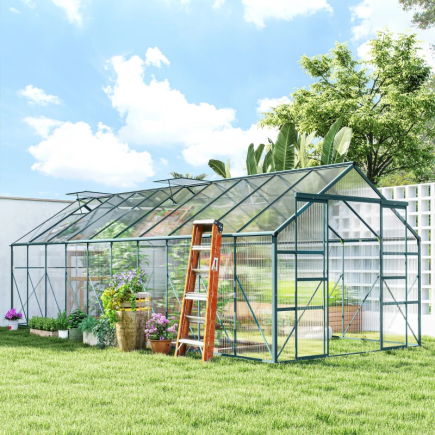
Close to Sheds, Greenhouses, or Other Structures
Hard structures and glass are dangerous if someone comes off the trampoline. Always keep a wide buffer between the trampoline and anything solid, like a shed, greenhouse, or garden wall.
On Concrete, Patio Stones, or Decking
Hard surfaces offer no protection in a fall and put extra strain on the frame and legs. They can also cause the legs to slide, making the trampoline less stable.
On a Slope
Even a gentle slope can make a trampoline unstable and more likely to tip. It also puts uneven pressure on the springs and frame, which shortens their life.
In Low or Soggy Spots
Areas where water pools after rain or during the spring melt can cause the legs to sink unevenly. Constant moisture will also rust the frame and springs over time.
Near a Pool or Pond
Kids may be tempted to bounce off the trampoline into the water, which can lead to serious injuries. Wet feet tracked onto the mat also make it slippery and unsafe.
Under Power Lines or Clotheslines
Make sure there’s at least 7 metres of clear space above the trampoline. Power lines are especially dangerous, so never set up anywhere near them, even if they seem high enough.
Right Against Your Property Line
Setting up too close to the neighbours can cause issues with noise and privacy. Some municipalities also have setback rules, so check your local bylaws and give your neighbours a bit of breathing room.
Protecting Your Lawn and Trampoline Year-Round
Grass under a trampoline gets less sun and rain, so watering underneath during dry spells will help it stay healthy. When winter arrives, heavy snow can stretch or tear the mat, so it’s best to remove the mat and net for the season or brush off snow after each storm.
Finding Your Garden’s Perfect Bouncing Spot
The best place for a trampoline in the garden is a flat, open patch of lawn with plenty of room around and above it, some shelter from the sun and wind, and a clear view from the house. Keep it away from trees, flower beds, and hard surfaces, and take a few minutes to plan before you set up. With the right spot, your trampoline will bring years of safe, backyard fun for the whole family.
Found the perfect spot? Explore the trampoline collection at Aosom Canada and find the right size and style for your garden.
FAQs
It’s not recommended. Front gardens are often closer to roads, driveways, and footpaths, which adds safety risks. They also offer less privacy and security. A back garden is usually safer, quieter, and easier to keep an eye on.
Gravel isn’t ideal. It’s hard if someone falls, and loose stones can shift under the legs and make the frame unstable. If gravel is your only option, lay rubber mulch or safety mats around the edges for a softer landing.
Face the net entrance toward the house or wherever an adult usually sits. This makes it easier to see kids climbing on and off, which is when slips often happen. Keep the area in front of the entrance clear and free of trip hazards.
It’s best not to. Bikes, toys, and garden tools stored underneath can be hit when the mat dips during bouncing. Keep the space under the trampoline completely clear, and check it before every use for toys, pets, or small children.
Keep it as far from driveways and roads as your garden allows, ideally behind a fence or gate. Kids can chase stray balls or jump off toward traffic, and a clear barrier between play and cars adds an important layer of safety.