
















A good dresser does more than hold your sweaters. It keeps your bedroom organized, gives you a handy surface for a lamp or mirror, and often sets the tone for the whole room. Whether you’re furnishing a downtown condo, a family home in the suburbs, or a cozy basement suite, the right dresser should fit your space, your storage needs, and your budget.
We know that buying furniture online comes with a few extra questions. This article walks you through everything to consider so you can choose a dresser with confidence.
1. Start With Your Space
Before you fall in love with a design, grab a measuring tape. Dressers are wide, low pieces, so horizontal wall space matters most.
- Measure the wall: Note the full width available, and leave a little breathing room on each side so the dresser doesn’t look squeezed in.
- Plan for drawer clearance: You’ll need roughly 75–90 cm (30–36 inches) in front of the dresser to open drawers fully and stand comfortably.
- Check for obstacles: Windows, outlets, heating vents, and baseboard heaters can affect placement. Never block a heat source with furniture.
- Think about what goes above it: If you plan to hang a mirror, a TV, or artwork, consider how the dresser’s height will work with it.
Most dressers stand about 70 to 91 cm (28–36 inches) tall, measure 100 to 180 cm (39–71 inches) wide, and are 38 to 56 cm (15–22 inches) deep, so compare those numbers with your room before you shop.
2. Decide How Much Storage You Need
Take a quick inventory of what will go inside. Are you storing everyday clothes, bulky winter knits, or extra bedding? Will one person use the dresser, or two?
A six-drawer dresser suits most individuals, while couples often prefer eight or nine drawers. Pay attention to drawer depth, too. Shallow top drawers are perfect for socks, accessories, and small items, while deeper drawers handle jeans, hoodies, and those thick sweaters you’ll want come January.
3. Know the Main Types of Dressers
Dressers come in a few common layouts, each suited to different rooms and lifestyles.
- Double dresser: Two side-by-side columns of drawers. This is the most popular option and works well in standard bedrooms.
- Triple dresser: Three columns of drawers for maximum storage. Ideal for primary bedrooms and shared spaces.
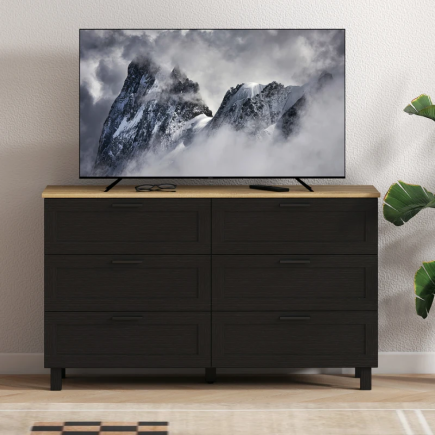
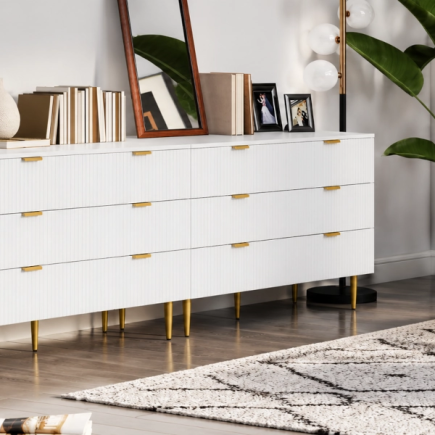
- Low, long dresser: Extra-wide and shorter in height, it can double as a TV stand or display surface.
- Dresser with doors: Combines drawers with cabinet space, handy for storing bags, shoes, or folded linens.
- Dresser with mirror: Includes an attached mirror, turning your dresser into a getting-ready station.
- Nursery dresser: Built at a comfortable height for diaper changes, often with room to add a changing topper.
4. Choose the Right Material
The material affects how your dresser looks, how long it lasts, and how much it costs.
- Solid wood: Strong, long-lasting, and repairable, but typically heavier and pricier. Keep in mind that Canada’s dry winters and humid summers can cause solid wood to expand and contract slightly.
- Engineered wood (MDF or particleboard with veneer or laminate): Stable, affordable, and available in many finishes. It handles seasonal humidity changes well and is a smart choice for most homes.
- Metal and mixed materials: Great for industrial or modern looks, and often paired with wood tops or drawer fronts.
For many households, a well-built engineered wood dresser offers the best balance of style, durability, and value.
5. Check the Construction Quality
Some dressers look almost identical in photos but perform very differently in everyday use. Here’s what to look for in product descriptions and customer reviews:
- Drawer glides: Metal runners or ball-bearing slides open more smoothly than basic wooden tracks. Soft-close glides are a nice bonus if you want quieter drawers.
- Drawer construction: Sturdy drawer boxes and solid bottoms prevent sagging over time.
- Joinery: Look for dovetail, cam-lock, or dowel connections rather than just staples or glue, which can loosen over time.
- Drawer handles: Choose sturdy knobs or pulls that are screwed on securely so they stay firm with daily use.
- Back panel: A securely attached back panel adds stability to the whole frame.
- Base and legs: The dresser should sit level and feel solid, without wobbling when you open a drawer.
- Weight capacity: Check how much each drawer is rated to hold, especially if you’ll be storing heavier items.
6. Put Safety First
Furniture tip-overs are a real risk, especially in homes with young children or pets. Health Canada recommends securing dressers and other tall or heavy furniture to the wall.
When choosing a dresser, look for:
- Included anti-tip hardware for anchoring to the wall.
- Drawer stops that keep drawers from pulling all the way out.
- A stable, wide base that sits evenly on the floor, ideally with adjustable foot pads to keep it level on uneven surfaces.
Always anchor your dresser, load heavier items in the bottom drawers, and teach kids not to climb on furniture. Many Aosom Canada dressers include anti-tip hardware, so take a few extra minutes during assembly to install it properly.
7. Match the Style to Your Room
Your dresser is one of the largest pieces in your bedroom, so it should complement the rest of your space.
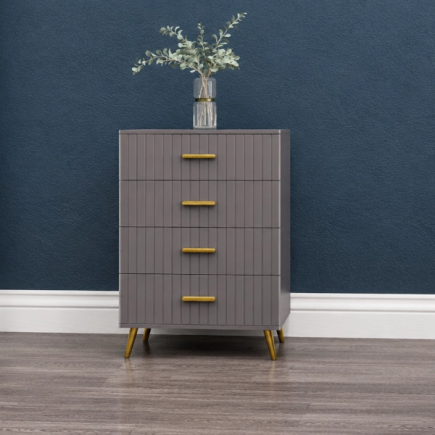
- Modern: Clean lines, flat fronts, and minimal hardware
- Farmhouse: Rustic wood tones, distressed finishes, and barn-style details
- Mid-century modern: Tapered legs, warm wood finishes, and simple shapes
- Industrial: Metal frames, dark finishes, and a raw, urban feel
- Classic: Rich finishes, detailed trim, and traditional hardware
You don’t have to match your bed and nightstands exactly. Coordinating colours or finishes often looks more natural than a full matching set. If your room is small or doesn’t get much natural light, white or light wood finishes can help it feel brighter and more open.
8. Set a Realistic Budget
Dresser prices vary widely depending on size, material, and features. Decide on a budget early, then focus on what matters most to you. If the dresser will see daily use, prioritize quality drawer glides and sturdy construction over decorative extras. For a guest room or kids’ room, a more affordable option may be all you need.
Shopping online with Aosom Canada makes it easy to compare sizes, styles, and price points side by side, so you can find a dresser that fits your needs without overspending.
9. Tips for Buying a Dresser Online
Buying furniture online is convenient, especially when you can skip the drive to a busy store. A few tips will help you shop smart:
- Double-check the dimensions against your measurements, including height, width, and depth.
- Read customer reviews for real-world feedback on assembly, sturdiness, and colour accuracy.
- Look closely at product photos to see drawer interiors, hardware, and finish details.
- Plan for assembly. Most dressers ship flat-packed, which makes delivery easier, even up narrow stairs or into condo elevators. Set aside time and, ideally, a second pair of hands.
- Review the shipping and return policy before you check out.
10. Caring for Your Dresser
A little care goes a long way. Dust regularly with a soft, dry cloth, and wipe up spills right away. Avoid overloading drawers, as too much weight can strain glides and drawer bottoms. If you use a humidifier during the winter months, keep it a short distance away from your dresser to protect the finish. Check that knobs, pulls, and wall anchors stay tight over time.
Your Perfect Dresser Is Closer Than You Think
Choosing the right dresser comes down to a few simple steps: measure your space, figure out your storage needs, pick the right type and material, check the construction, and never skip the safety hardware. Once those boxes are ticked, the fun part begins: finding a style that feels like home. If you’re not sure where to start, our roundup of the best dresser picks for the bedroom is a great place to look.
Ready to find the perfect fit? Explore the full collection of dressers at Aosom Canada and bring smart, stylish storage to your bedroom.
FAQs
Yes, but thick carpet can make a dresser lean forward and wobble. Use adjustable foot pads or furniture levellers to keep it steady, and always anchor it to the wall, since soft flooring can raise the risk of tip-overs.
Most people place a dresser across from the bed or on a side wall. Choose a spot with easy access, enough drawer clearance, and nearby lighting. Avoid placing it near doors or walkways where open drawers could block the path.
Yes, a dresser inside a walk-in closet frees up bedroom floor space. Measure the closet’s width and depth first, and leave enough room to open drawers fully. A low dresser also works well under short hanging clothes.
Yes, a small dresser makes a roomy nightstand with extra storage. Choose one that sits level with or slightly above your mattress so items are easy to reach. Three-drawer models are a popular and practical size for this use.
For comfortable viewing, the centre of the screen should sit close to eye level when you’re seated or lying in bed. A dresser between 76 and 91 cm tall usually works well. Make sure the top is wider than the TV’s base, and anchor both to the wall.