

















Choosing a walker for an elderly parent or loved one may seem straightforward at first, but the wide range of options can quickly make the decision confusing. From standard walkers to rollators and upright models, each type is designed for a different level of support and mobility.
The right walker improves comfort, posture, and independence, while the wrong one can lead to discomfort or increase the risk of falls. This guide breaks the process into clear steps so you can confidently choose the most suitable option.
Step 1: Talk to a Doctor or Physiotherapist First
Before choosing any walker, it is important to understand the user’s specific mobility needs. A professional assessment helps identify the right level of support and prevents choosing a model that is either too basic or too advanced.
- A physiotherapist can assess balance, walking pattern, and strength.
- Certain medical conditions may require specialised walker features.
- A prescription may help with insurance or benefits coverage.
- Professional advice reduces guesswork and improves decision-making.
Tip: Even one consultation can help you avoid choosing the wrong walker
Step 2: Understand the Main Types of Walker
Different walker types serve different purposes, and choosing the right one directly affects comfort and safety. Knowing how each type works makes it easier to decide.
- Standard walker: Offers maximum stability but must be lifted with each step. Best for very limited mobility.
- Two-wheel walker: Easier to move than a standard walker while still providing support.
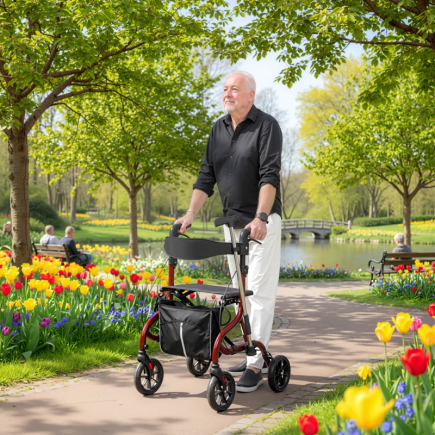
- Rollator (four wheels): Moves smoothly and usually includes brakes and a seat for resting.
- Upright walker: Supports forearms and improves posture, reducing strain on the body.
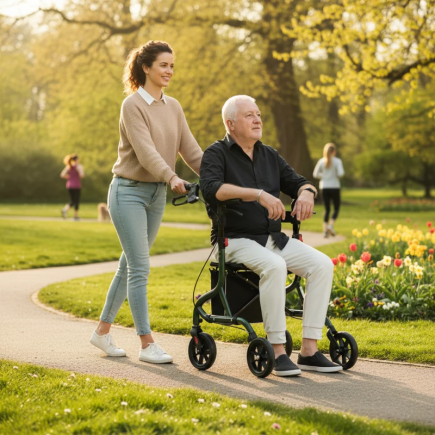
Tip: If comfort and convenience are important, use a rollator walker with seat as it provides both mobility support and a place to rest during longer walks
Step 3: Match the Walker to Daily Use
A walker should match the user’s daily routine, not just their condition. Where it will be used most often helps determine the right design and features.
- Indoor use: Choose compact and lightweight models for easy movement.
- Outdoor use: Larger wheels handle uneven surfaces better.
- Mixed use: Medium-sized rollators provide flexibility.
- Limited space: Foldable walkers are easier to store and transport.
Tip: Consider regular activities like shopping, appointments, and outdoor walks.
Step 4: Check the Weight Capacity
Weight capacity is essential for safety and durability. Choosing the correct rating ensures the walker remains stable and reliable during use.
- Most walkers support between 220 and 300 lbs.
- Heavy-duty models are available for higher weight needs.
- Seat capacity may differ from frame capacity.
- Higher capacity models tend to be more durable.
Tip: Choose a walker that comfortably supports the user’s current weight.
Step 5: Get the Handle Height Right
Handle height plays a key role in comfort and posture. An incorrect height can lead to strain and reduce stability.
- Handles should align with the user’s wrist when standing naturally.
- Elbows should remain slightly bent when gripping.
- Adjustable handles provide better long-term usability.
- Incorrect height can cause shoulder and wrist discomfort.
Tip: Measure wrist height while standing in flat shoes before purchasing.
Step 6: Focus on Safety Features
Safety features are essential for confidence and ease of use. They help reduce risks and make the walker more reliable.
- Brakes should be easy to use and lock securely.
- Non-slip feet or wheels improve stability.
- Comfortable grips reduce hand fatigue.
- Backrests provide support when sitting.
- Certified models meet safety standards.
Tip: Always test brake locking before sitting on a rollator.
Step 7: Consider Foldability and Portability
A walker should be easy to use not only at home but also when travelling. If it is too heavy or difficult to fold, it may become inconvenient and used less often over time.
- One-step folding systems are easier to manage independently.
- Lightweight frames reduce effort when lifting.
- Compact folded size fits better into cars and storage spaces.
- Carry handles make transport easier.
Tip: Make sure the user can fold and lift the walker comfortably.
Step 8: Check Storage and Accessories
Small features can make a big difference in daily life. A walker that includes storage and useful accessories helps the user stay independent and organised.
- Storage bags allow carrying essentials like phones or medication.
- Cane holders keep additional aids accessible.
- Cup or phone holders improve convenience.
- Removable bags are easier to clean and replace.
Tip: Good storage features reduce the need for extra assistance.
Step 9: Buy from a Trusted Retailer
Buying from a reliable retailer ensures a smoother experience and reduces the risk of choosing the wrong product.
- A 30-day return policy allows proper testing.
- Free shipping helps avoid extra costs.
- A warranty provides long-term assurance.
- Reviews offer insight into real user experience.
Tip: Check feedback from elderly users or caregivers before buying
Walkers for Seniors Available at Aosom.ca
Aosom.ca offers HOMCOM walkers designed for everyday use, combining comfort, safety, and practical features.
HOMCOM Rollator Walker with 8-Inch Wheels
- Lightweight frame for smooth movement.
- Dual brakes for better control.
- Adjustable handle height.
- Padded seat for resting.
- Storage bag for essentials.
HOMCOM Lightweight Folding Rolling Walker
- Upright design supports posture.
- Adjustable height settings.
- Large wheels for outdoor use.
- Foldable frame for transport.
- Storage bag included.
Making the Right Choice
Choosing the right walker depends on mobility needs, daily routine, and comfort. A smaller walker may work well indoors, while a rollator is better suited for longer distances and outdoor use.
Taking the time to assess features like fit, safety, and usability ensures better long-term comfort. The right walker supports independence, improves confidence, and helps the user stay active in everyday life.
FAQs
Check if the handles align with wrist height when standing and elbows stay slightly bent. This ensures proper posture and reduces strain during use.
A medium-sized rollator with sturdy wheels works best for mixed use. It offers smooth movement indoors and enough support for uneven outdoor surfaces.
Always test the brakes, check stability, and ensure non-slip feet or wheels are present. A stable frame with secure locking features reduces the risk of falls.
Adjust the handle height and check posture first, as incorrect setup often causes discomfort. If issues persist, consider switching to a more suitable type like an upright walker.