



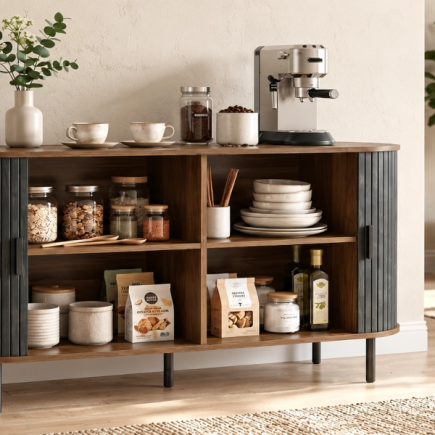
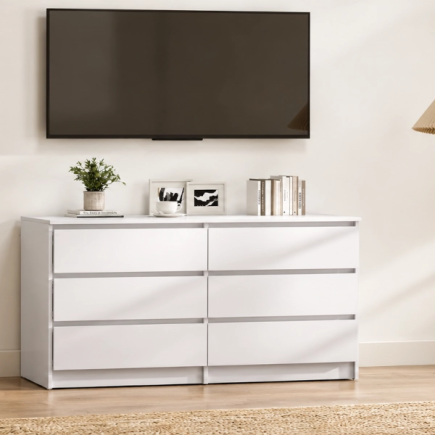
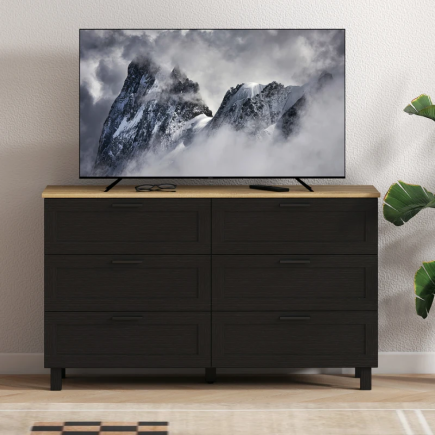














A good sideboard is one of the hardest working pieces in any home. It tucks away the dishes you only bring out for Thanksgiving dinner, gives you a spot to set down a casserole when family drops by, and adds real character to a dining room, living room or front entry. With so many sizes, materials and styles out there, picking the right one can feel a little overwhelming.
Common Types of Sideboards
There are a few types of sideboards to choose from, and while the names often get used interchangeably, each piece has its own character.
- Sideboard: Plenty of storage for linens, dishes and serveware, usually on short legs. Sliding doors are common.
- Credenza: A more streamlined design with fewer compartments. It began as office furniture and has a contemporary feel.
- Buffet: Built with dining in mind and often a touch taller, sometimes with wine storage.
- Server: Narrower and a little more formal, which makes it perfect for compact rooms.
Today, most people simply call all of them sideboards, and many modern designs borrow a bit from each style.
This article breaks it down into simple steps so you can shop with confidence.
1. Measure Your Space
Grab a measuring tape before you shop, since getting the size right matters more than anything else.
Width
Choose a sideboard about one-third the length of your wall, with a little space on each side.
- Small rooms: 27 to 35 inches (68 to 90 cm).
- Mid-size rooms: 43 to 47 inches (108 to 120 cm).
- Large rooms: 55 to 62 inches (140 to 157 cm).
Height and Depth
These two measurements decide how comfortable the piece feels to use.
- Height: 29.5 to 34.5 inches (75 to 88 cm), ideally a few inches taller than your dining table.
- Depth: 15.5 to 16 inches (39 to 40 cm) is standard. Slim 11.5 to 12 inch (29 to 30 cm) models suit hallways.
Tip: Leave about 36 inches in front, or 18 to 24 inches in tight rooms, and keep vents and windowsills clear.
2. Decide How You’ll Use It
Think about the job your sideboard will do every day, since the answer shapes nearly every other choice.
In the Dining Room
As a classic server, a sideboard keeps dishes, cutlery and table linens close to the table. Its top gives you room for platters and drinks when you entertain, so a wide surface and adjustable shelves are worth looking for.
In the Living Room
Many sideboards double as media consoles. The 55″ Fluted Sideboard, for example, can hold a TV up to 60 inches. Place it near outlets and cable connections, and plan for cord management to keep things tidy.
In the Kitchen or Entryway
A sideboard makes a great coffee bar or charging spot. The 55″ Farmhouse Buffet has a built-in power strip with two outlets plus USB and USB-C ports. Near the front door, a narrower piece keeps keys, mitts and mail in one handy place.
3. Match the Storage to What You Own
The inside of a sideboard matters just as much as the outside, so take stock of what you plan to store first.
Drawers, Shelves and Cupboards
- Drawers: Ideal for cutlery, napkins and small items that tend to get lost.
- Cupboards: Better for stacks of plates, serving bowls or board games.
- Adjustable shelves: Give you flexibility as your storage needs change.
Door Styles
- Hinged doors: Offer a classic look and full access. Soft-close hinges, like those on the 62″ Modern Sideboard, stop doors from slamming.
- Sliding or tambour doors: A smart pick for tight spaces since they need no extra room to open.
Safety and Stability
In homes with young kids or pets, look for anti-tipping kits and check the weight rating for the top and each shelf. This matters most if you’ll place a TV, coffee maker or heavy dishes on it.
4. Pick a Material That Fits Your Lifestyle
The material affects how your sideboard looks, how long it lasts and how much care it needs.
- Solid wood: Brings natural warmth and lasts for years. Hardwoods like oak or rubberwood are especially sturdy for tops that see daily use.
- Engineered wood: MDF and particleboard with a melamine finish are budget-friendly, sleek and easy to wipe clean.
- Metal: Adds an industrial edge, often as steel legs. Clean marks with mild soap and water.
- Glass and acrylic: Clean-lined and modern. Use a microfibre cloth on acrylic to avoid scratches.
5. Choose a Style That Suits Your Decor
The best sideboard looks like it has always belonged in your home, so pay attention to colour, material and finish.
1. Modern and Minimalist
Clean lines, flat-front doors, rounded corners and neutral finishes keep the look calm. These pieces won’t compete with other statement furniture.
2. Mid-Century and Scandinavian
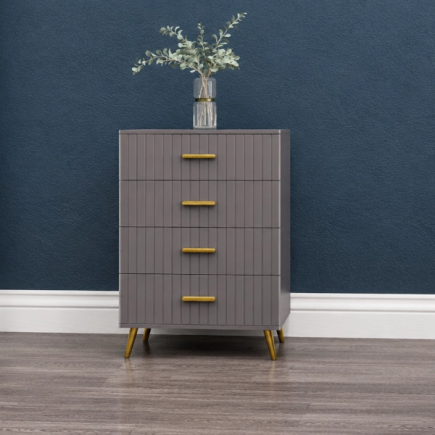
Tapered or slim legs, warm wood tones and fluted or slatted doors bring a relaxed, retro charm that suits vintage-inspired rooms.
3. Farmhouse and Rustic
Wood-grain finishes, paneled or barn-style doors and vintage handles create a cozy, lived-in feel. You don’t have to match your decor exactly, though. A thoughtful contrast can add interest as long as it feels intentional.
6. Find the Right Spot
Where you place your sideboard affects both how useful it is and how the whole room feels.
- Against a main wall: Anchors wall art and keeps storage within easy reach.
- Behind the sofa: Creates a natural divide in open-concept layouts. Keep the height close to the sofa back.
- Between living and dining areas: Serves both spaces and ties the design together.
- Things to avoid: Blocking natural light, windows or main walkways.
7. Set a Budget and Prioritize Quality
A sideboard is an investment piece, so plan your spending before you start browsing.
- Set a range: Decide on a budget first so you can focus on realistic options.
- Go timeless: Choose classic design over trends that may feel dated in a few years.
- Read reviews: Feedback from other buyers shows how a piece holds up in real homes.
8. Plan for Delivery and Assembly
Many sideboards ship flat-packed, a little planning makes delivery day smooth.
- Box size: Larger sideboards often arrive in long boxes, and some ship in more than one. Make sure they fit through your doorways, hallways and stair turns.
- Assembly: Every piece needs home assembly, and a manual is included. Set aside a few hours.
- Build in place: Assemble the sideboard where it will stand so you never have to carry it fully built.
- Anti-tip kit: If your model includes one, secure it to the wall once the sideboard is in position.
Bringing the Right Sideboard Home
The right sideboard starts with a measuring tape and a clear idea of how you’ll use it. Match the storage to what you own, pick a style that suits your space, and you’ll have a piece that keeps clutter out of sight for years.
Ready to find yours? Explore Aosom Canada collection of modern, farmhouse and mid-century sideboards, with free shipping to most of Canada.
FAQs
A sideboard is low and wide, so it gives you a useful top surface for serving, a lamp or decor. A tall cabinet or bookcase holds more in a smaller footprint but offers no serving space and can make a small room feel crowded.
Closed doors and drawers hide clutter and keep dishes dust-free, which suits busy homes. Open shelves are great for showing off books, plants or favourite pieces. Many people choose a mix, keeping everyday items hidden and decor on display.
Glass doors let you show off china, glassware or collectibles while keeping them dust-free, but the contents need to stay tidy. Solid doors hide everything inside, making them the better choice for everyday items, linens or kids’ things.
Legs give a sideboard a lighter, more open look and make it easy to clean underneath, which suits smaller rooms. A solid base sits flat on the floor, looks more substantial and usually offers a little more storage space inside.
A sideboard is a low cabinet with a flat top you can use for serving or display. A hutch adds an upper section of open shelves or glass cabinets on top, so it stands much taller and works best for showing off china and glassware.