



















Placing a hamster cage may look simple, but it’s one of the biggest factors that affects your hamster’s comfort, stress levels, breathing health, and daily behaviour. Hamsters are sensitive creatures, they react strongly to temperature changes, noise, vibrations, strong smells, and bright light.Choosing the right spot can help your hamster sleep better, explore more confidently, and live a healthier, calmer life.

This guide breaks down safe places where a hamster cage can be positioned, not just in a home, but in any controlled indoor environment like offices, studios, schools, or temporary travel locations.
Understanding Your Hamster’s Sensory Needs Before Choosing a Spot
Before picking a place for the cage, it helps to understand how hamsters interpret their surroundings. Their senses are far sharper than ours, so even small environmental changes can feel big to them.
1. Sound Sensitivity
Hamsters hear ultrasonic frequencies from TVs, speakers, computers, fridges, and even LED lights, sounds we don’t notice but they clearly do. Continuous or sudden noise can make them feel unsafe, causing stress-related behaviours like hiding or chewing. A quiet, steady environment helps them feel secure.
2. Light Sensitivity
They naturally prefer dim, soft lighting similar to underground burrows. Harsh lights, strong sunlight, or bright lamps can disrupt their sleep and push them into hiding. A gently shaded area helps them rest peacefully during the day.
3. Smell Sensitivity
Their respiratory system is extremely delicate, so strong scents linger much longer for them than for us. Perfume, candles, cleaners, smoke, or food odours can irritate their breathing or cause discomfort. Choosing a smell-free placement ensures clean, fresh air around the cage.
4. Movement Sensitivity
Hamsters are prey animals, so fast movement or sudden shadows trigger an instant fear response. Footsteps, door swings, or people walking past frequently can make them nervous. A calm, low-activity zone keeps them relaxed and confident.
Best Places to Put a Hamster Cage
Here are some of the most recommended, hamster-friendly spots where you can safely place a cage. Each location is chosen for its ability to provide a calm, stable, and low-stress environment. These placements help your hamster feel secure, sleep better, and explore with confidence.
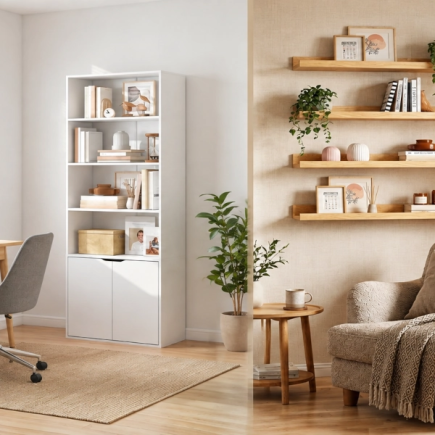
Home Office
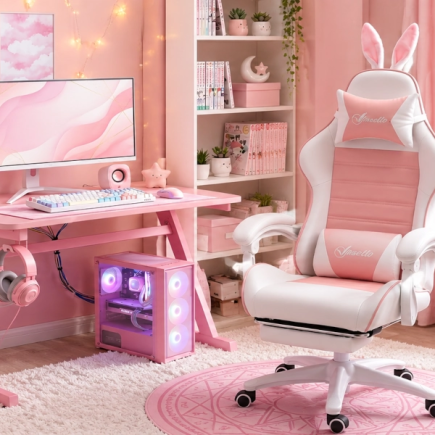
A home office offers a calm, predictable environment where your hamster enclosure can stay undisturbed throughout the day. With steady lighting and minimal household movement, it becomes a reliable spot for a relaxed, stress-free habitat.
Study Room
A study room naturally provides the quiet, settled atmosphere that a hamster cage needs. The soft lighting and low activity levels support better daytime rest and create a peaceful hamster habitat.
Living Room (Quiet Side)
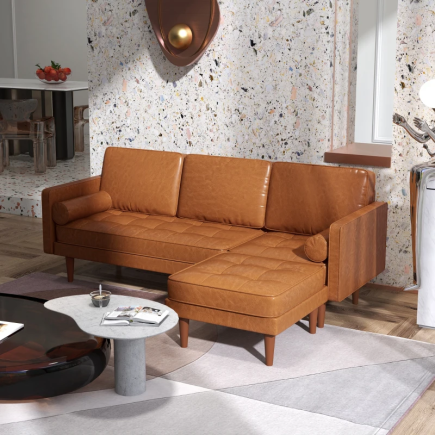
The quiet side of the living room lets your hamster enjoy gentle background activity without feeling overwhelmed. This placement keeps the enclosure accessible while protecting it from loud screens and noise sources.
Bedroom
Bedrooms stay dim and quiet for long stretches, making them suitable for a hamster setup, especially if you’re a deep sleeper. The stable environment helps your hamster maintain a comfortable rhythm throughout the day.
Room Corner Beyond TV Area
A living room corner positioned away from the TV provides a quieter, more sheltered area for your hamster habitat. This setup keeps your hamster close enough to observe activity without exposure to noise or bright screens.
Dining Room Side Corner
A dining room corner is calm for most of the day, offering a surprisingly stable place for a hamster cage. With little foot traffic and soft ambient light, it supports a relaxing environment.
Under Desk (Ventilated)
The open space under a ventilated desk can create a den-style hiding spot for your hamster enclosure. This placement keeps lighting low while maintaining airflow and safety.
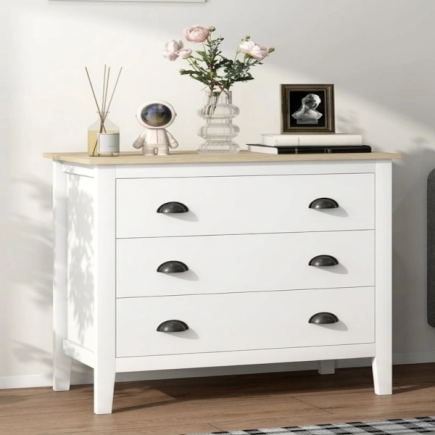
Any Console Table
Console tables are usually positioned against interior walls, providing a protected and stable environment for the cage. Their height also keeps the enclosure safely above floor-level disturbances and drafts.
Places to Avoid
Not every indoor space is safe for a hamster. Some locations create constant stress, temperature swings, or dangerous scents that can harm their sensitive respiratory system. To keep your hamster healthy, calm, and secure, make sure you avoid the following areas completely:
- Kitchen: Heat, fumes, cooking smells, and constant activity make this unsafe.
- Bathroom: High humidity, perfumes, and cleaners irritate hamster breathing.
- Basement: Dampness, cold air, and mould risk make it unsuitable.
- Garage: Chemicals, fumes, and unstable temperatures are dangerous.
- Balcony / Patio: Outdoor air, predators, sunlight, and wind create high risk.
- Near Fireplaces: Sudden heat can quickly cause overheating.
- Near AC Units or Drafty Windows: Cold drafts and fluctuating air make hamsters sick.
- Laundry Room: Noise, vibration, and detergent scents cause severe stress.
- Kids’ Play Areas: Fast movement and loud sounds overwhelm hamsters.
- Directly on the Floor: Exposed to drafts, pets, footsteps, and constant movement.
Why Avoid?
- Sudden heat or cold can harm your hamster’s health.
- Strong smells and chemicals irritate their delicate respiratory system.
- Excess humidity creates mould and unsafe bedding conditions.
- Noise, vibration, and constant movement trigger prey-instinct stress.
- Drafts and unstable airflow weaken their immune system.
- Bright light or heavy foot traffic disrupts sleep and causes anxiety.
- Low or exposed areas make them feel vulnerable to pets and people.
In the end, choosing where to place your Hamster Cage is really about paying attention to the small details that shape their daily comfort. The right spot helps reduce stress, supports healthier habits, and makes their environment feel safe and predictable. Once you find a calm, stable location that avoids noise, drafts, and strong smells, your hamster will naturally settle in and enjoy their space.
FAQs
1. What if my hamster avoids the cage after I change its location?
Hamsters can take time to adjust when their environment changes. Give them a few days to feel secure again, avoid moving the cage repeatedly, and keep the new spot calm and predictable. Once the surroundings feel stable, most hamsters return to normal behaviour.
2. My hamster seems restless at night even in a quiet room. What should I do?
Restlessness can come from subtle disturbances like vibrations, shifting shadows, or inconsistent lighting. Try adjusting the room’s lighting to a softer level, reducing movement near the cage, and ensuring the surface beneath the cage is stable.
3. Is it okay to place the hamster cage near another pet if they’re calm?
Even calm pets create scent and presence pressure that can make a hamster uneasy. Keep a safe distance or use furniture as visual barriers. Over time, observe your hamster’s posture and behaviour to ensure the placement isn’t causing hidden stress.