







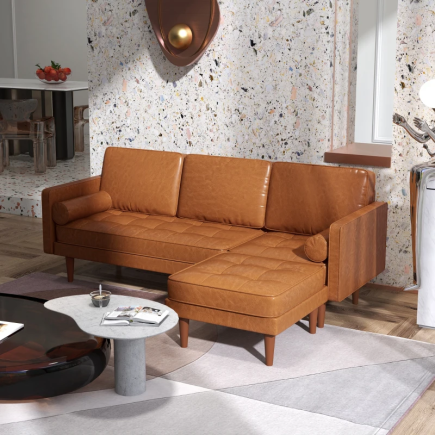














A sofa bed is one of the most practical pieces of furniture you can invest in. It functions as a comfortable sofa during the day and converts into a bed for overnight guests, making it a great option for smaller homes, apartments, guest rooms, and multipurpose spaces. However, with so many sizes, styles, mechanisms, and materials available, choosing the right one involves more than just picking what looks good in a photo.
This guide covers everything you need to consider before buying a sofa bed, including measuring your space, selecting the right conversion mechanism, and understanding frame quality, upholstery, and sleeping comfort.
1. Decide How You Plan to Use It
Before comparing sofa beds, first be clear about how you’ll actually use it. This decision affects size, comfort level, mechanism, and durability.
Questions to Ask Yourself
- Will it be used only occasionally (a few times a year) or more often (weekly/monthly)?
- Is it mainly a sofa, or mainly a bed?
- Who will use it for adults, children, or both?
- Will it go in a living room, guest room, or studio apartment?
- Do you need a quick and easy sofa-to-bed conversion?
Use Case Guide
| Use Case | Recommended Type |
| Occasional guest use (few times a year) | Click-clack or fold-flat sofa bed |
| Regular guest use (monthly) | Pull-out sofa bed with proper mattress |
| Studio apartment (daily use) | Pull-out or high-quality click-clack |
| Children’s room | Compact click-clack or futon-style |
| Dedicated guest room | Pull-out with thick foam or innerspring mattress |
2. Measure Your Space Carefully
A sofa bed takes up much more space when opened than a normal sofa. Many people skip measuring and later find the bed can’t fully extend.
What to Measure
- Doorway/entry width for delivery access
- Floor space (closed position) for daily sofa use
- Front clearance space for full bed extension
- Ceiling height (important for loft or bunk-style sofa beds)
Common Sofa Bed Sizes
| Configuration | Typical Sleeping Width |
| Twin / Single | 90–100 cm |
| Full / Double | 135–140 cm |
| Queen | 150–160 cm |
| Loveseat sofa bed | 100–120 cm |
| Three-seater sofa bed | 135–160 cm |
Tip: Use masking tape on the floor to mark the full open-bed size before buying. This helps you clearly see how much space the sofa bed will take when fully extended.
3. Understand the Different Conversion Mechanisms
The mechanism is how a sofa bed turns into a bed. Each type has different strengths, so it’s important to pick the one that fits your space and comfort needs.
Click-clack (fold-flat)
- Backrest folds down to meet the seat
- Converts in seconds with little effort
- No hidden parts or mattress to pull out
- Simple and space-saving design
- Sleeping surface is the same as the seat, so it can feel firm
Best for: occasional use or small spaces
Pull-out sleeper
- Hidden mattress and frame stored inside the sofa
- Pulled out from under the seat cushions
- Feels more like a real bed (often full or queen size)
- More comfortable for regular sleeping
- Heavier and needs more space in front
Best for: frequent guests or regular overnight use.
Futon-style
- Seat and back form one continuous surface
- Folds flat into a bed
- Same mattress used for sitting and sleeping
- Usually lighter and more affordable
- Comfort depends on mattress quality
Best for: budget setups, kids’ rooms, or light use.
4. Evaluate Sleeping Comfort and Mattress Quality
Sleeping comfort is often where sofa beds disappoint, especially in lower-priced models. The mattress is usually the weakest part because most of the budget goes into the frame and upholstery. Knowing what to look for helps you avoid something that looks good but sleeps poorly.
What to look for in a sofa bed mattress
- Thickness: 10–12 cm is acceptable for occasional use, while 15 cm or more is better for regular sleeping.
- Foam density: Higher-density foam lasts longer and keeps its shape better with repeated use.
- Memory foam models: Offer better pressure relief and feel more comfortable than standard foam.
- Innerspring mattresses: Common in higher-end pull-out sofas and provide better support and airflow than foam.
- Metal bar in pull-outs: Many pull-out frames have a center metal bar that can be felt through thin mattresses. A 5–7 cm memory foam topper can fix this issue affordably.
Tip: For regular use, a separate mattress topper is an easy, affordable way to improve pull-out sofa bed comfort without replacing the unit.
5. Check Frame and Build Quality
The frame is the foundation of a sofa bed and decides how long it will last. Since sofa beds are used for both sitting and sleeping and often opened and closed repeatedly—the frame needs to handle more stress than a regular sofa.
Frame materials
- Hardwood (oak, beech, pine): Strongest and most durable option. It resists warping and supports long-term daily use.
- Engineered wood (plywood, MDF): Fine for light or occasional use, but less durable under heavy or frequent use.
- Metal frames: Common in pull-out sofa beds. Look for powder-coated steel instead of thin, low-grade metal.
- Corner blocks and reinforcements: Strong builds use reinforced corners for extra stability. This is a good sign of quality construction.
Suspension and support
- Sinuous (S-springs): Offers even support across the seat and is common in mid-range to high-end models.
- Webbing: Elastic straps that provide basic support. Suitable for light or occasional use.
- Flat plywood base (no suspension): Less comfortable and tends to wear out cushions faster. Best avoided for regular use.
Tip: If a product listing does not clearly mention the frame material or support system, it usually indicates a lower-quality build.
6. Choose the Right Upholstery for Your Lifestyle
Upholstery affects how comfortable a sofa bed feels, how easy it is to clean, and how well it holds up over time. The best choice depends on your household, daily use, and whether you have kids or pets.
Common upholstery options
| Material | Best For |
| Fabric (polyester, linen blend) | Everyday comfort; wide colour choices; fairly easy to clean |
| Velvet | Stylish interiors; better for low-traffic spaces |
| Faux leather (PU leather) | Easy to wipe clean; good for busy homes with kids |
| Genuine leather | Premium look; very durable; needs occasional care |
| Microfibre | Soft, stain-resistant; good for families and pets |
Tip: If you have pets, choose tightly woven fabrics that resist claw damage, or go with faux leather for easy cleaning and lower maintenance.
7. Consider Practical Features Worth Having
Some sofa bed features genuinely improve everyday use, while others are mostly marketing additions with little practical benefit. Focusing on what actually matters helps you choose more wisely.
Features that add real value
- Storage compartment: Provides space for bedding, pillows, or blankets, which is especially useful in smaller homes.
- Removable and washable covers: Makes cleaning and maintenance much easier over time.
- Adjustable backrest positions: On click-clack models, allows angled seating for reading or relaxing instead of only upright or fully flat positions.
- Replaceable mattress compatibility: Some pull-out designs allow the mattress to be upgraded without replacing the entire sofa bed.
- Weight capacity rating: Important for durability and safety, especially if two adults will use it regularly.
8. Set a Budget Based on Long-Term Use
Sofa beds come in a wide price range, and the difference in quality between budget and mid-range models is quite noticeable. Spending a bit more usually means better durability, stronger frames, and improved sleeping comfort.
Price range and what to expect
- Entry level: Basic click-clack or fold-flat designs with thinner cushions; suitable for light or occasional use only.
- Mid-range: Stronger frames and better foam thickness; suitable for regular guest use.
- Upper mid-range: Solid construction with pull-out mechanisms and a proper mattress; better long-term reliability.
- Premium: High-quality materials with excellent comfort; suitable for frequent or daily sleeping use.
The Right Sofa Bed Should Work Every Day
A well-chosen sofa bed balances size, mechanism, frame quality, and sleeping comfort, ensuring it serves your home for years. Whether it’s for occasional guests or daily use in a compact space, the key is matching the product to how it will actually be used rather than focusing only on appearance. This approach helps ensure a practical, long-lasting purchase you won’t regret.
FAQs
A pull-out sofa bed with a proper foam or innerspring mattress is usually the most comfortable for frequent use. A thickness of around 12–15 cm is ideal, and a memory foam topper can improve comfort. Click-clack and futon styles are better for occasional sleeping.
Click-clack models fold flat in place and need little to no extra space. Pull-out models extend forward and usually need about 60–90 cm of clear space in front. Always check the open size before buying.
Click-clack models fold down into a flat surface in one motion. Pull-out models extend a hidden frame and mattress from inside the sofa. Click-clack is quicker to convert, while pull-out is generally more comfortable for sleeping.
Yes, but only if it’s a high-quality pull-out model with a proper mattress. Cheaper models are better for occasional use. Adding a mattress topper can help improve comfort for daily sleeping.