









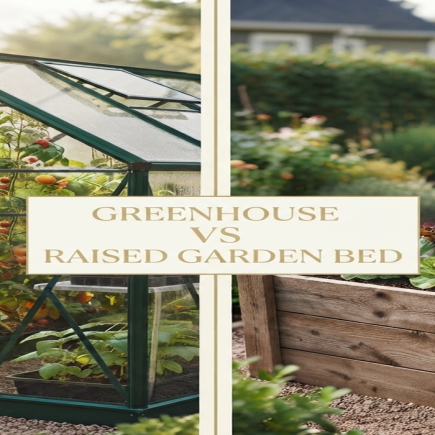




Choose protection based on the target pest, plant needs and local weather. Measure the bed, secure the cover, and ensure adequate growing space and ventilation.
What Types of Raised Bed Protection Are Available?
Different raised bed covers protect against specific pests and weather conditions, so choose a type that suits your plants, local climate and growing needs.
1. Insect Netting and Fine Mesh
- Purpose: Protects crops such as broccoli, kale and cabbage from specific pests.
- Selection: Choose mesh fine enough to block the target insect while allowing airflow.
- Installation: Secure all edges to prevent pests from entering.
- Pollination: Remove or open the netting when flowering crops need pollinators.
2. Bird Netting and Animal Barriers
- Purpose: Protects seedlings, leafy vegetables and fruit from birds.
- Installation: Use a supporting frame and secure loose ends.
- Maintenance: Check regularly for damage or trapped wildlife.
- Larger animals: Choose sturdier barriers that resist pushing and digging.
3. Row Covers and Frost Cloth
- Purpose: Excludes certain pests, reduces wind exposure and provides limited protection against light frost.
- Seasonal use: Helps protect plants during cool Canadian spring and fall nights.
- Limitations: Lightweight fabrics may not withstand prolonged freezing.
- Care: Follow the manufacturer’s guidance and monitor temperatures beneath the cover.
4. Hoops and Greenhouse-Style Covers
- Purpose: Hoops support fabric or mesh above plants, while greenhouse-style covers retain warmth and shelter plants from mild rain.
- Selection: Choose a design that accommodates plant growth.
- Ventilation: Look for roll-up panels or openings for airflow and easy access.
- Limitations: Transparent covers do not automatically block pests or withstand severe weather.
What Factors Determine Which Cover Fits Your Garden?
The right raised bed cover depends on the main threat, crop type, available space, material durability and local weather conditions.
1. Identify the Main Threat and Crop Type
- Identify the threat: Use insect netting for specific pests, bird netting for birds and sturdy barriers for larger animals.
- Consider crop needs: Protect leafy vegetables from pests while allowing pollinators to reach flowers when needed.
2. Measure the Bed and Growing Space
- Measure the bed: Record the planting area’s length, width and height.
- Allow for supports: Include extra space for hoops or frames.
- Accommodate plant growth: Ensure the cover fits mature plants without restricting growth or leaving gaps.
3. Check Sunlight, Ventilation and Watering
- Sunlight and airflow: Ensure plants receive enough light and ventilation to prevent overheating and excess moisture.
- Watering: Check whether rain reaches the soil, as plastic covers may block rainfall.
- Access: Choose a cover that opens easily for watering and routine plant care.
4. Consider Durability and Seasonal Use
- Durability: Choose outdoor-rated materials that withstand sunlight, wind and moisture. Check for tears, brittleness and loose fasteners.
- Seasonal flexibility: Removable covers suit part-season use, while fixed frames simplify switching between coverings.
5. Account for Canadian Weather
- Local conditions: Consider regional frost, wind, rainfall, heat and snow risks.
- Seasonal planning: Check local frost forecasts and garden exposure before selecting protection.
- Weather limits: Lightweight covers may not withstand strong winds, heavy rain or snow. Follow manufacturer guidance and remove or store covers when conditions exceed their intended limits.
How Do You Measure and Install Raised Bed Protection?
To measure and install raised bed protection, check the bed and cover dimensions, fit suitable supports, secure the edges and maintain ventilation and access for plant care.
Step 1: Measure Your Raised Garden Bed
- Measure: Record the bed’s length, width and height.
- Check fit: Compare measurements with the cover and frame, including hoop height.
- Allow clearance: Leave enough material to secure the edges and accommodate mature plants.
Step 2: Prepare the Bed and Choose Supports
- Prepare the bed: Clear obstacles, remove sharp objects and check stability.
- Choose supports: Use hoops for lightweight fabric or mesh and rigid frames for greenhouse-style covers.
- Secure the structure: Select supports and fasteners suited to local wind conditions.
Step 3: Fit the Cover Over the Frame
- Position the cover: Centre it over the frame without pressing against delicate stems.
- Allow growth: Leave enough space for mature plants.
- Maintain access: Keep zippers and roll-up panels accessible for watering, ventilation and harvesting.
Step 4: Secure the Edges and Supports
- Fasten the cover: Use suitable clips or ties to secure it to the frame.
- Close gaps: Prevent pest entry and minimize wind movement.
- Inspect and repair: Check for holes, loose fasteners and unsecured edges.
Step 5: Check Ventilation and Access
- Manage heat and moisture: Open vents or roll-up panels as needed.
- Maintain access: Ensure easy watering, weeding and harvesting.
- Adjust as needed: Re-secure the cover after use and adjust or remove it as plants grow or weather changes.
How Does a Raised Bed with a Greenhouse Cover Provide Protection?
A greenhouse cover helps retain warmth and shelter plants from mild weather. Its effectiveness depends on the material, dimensions, ventilation and local conditions.
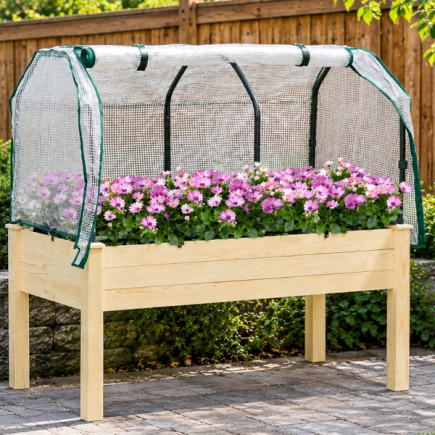
The Outsunny Raised Garden Bed with PE Greenhouse Cover provides a practical example.
Which Dimensions Matter Most?
- Overall dimensions: 47.6 × 21.7 × 46.1 inches (121 × 55 × 117 cm).
- Planting area: 45.3 × 19.3 × 7.3 inches (115 × 49 × 18.5 cm), including a 7.3-inch bed depth.
- Cover dimensions: 46.1 × 20.5 × 23.6 inches (117 × 52 × 60 cm).
- Interior height: Approximately 30.7 inches above the soil, according to the listing.
The planter features fir wood construction, a steel frame and a transparent PE cover. Check the dimensions against your available space and expected plant growth before installation.
Which Features Support Everyday Gardening?
The raised garden bed includes several features to support everyday planting and plant protection:
- Transparent PE cover: Helps retain warmth and shelter plants from mild rain. Monitor temperatures on sunny days to prevent overheating.
- Roll-up zipper door: Provides easy access to plants and allows ventilation when needed.
- Non-woven fabric liner: Helps separate the growing medium from the planter structure.
- Drainage holes: Four holes, each approximately 10 mm wide, help excess water drain away.
- Load capacity: Supports up to 88 lb (40 kg), including soil and plants. This is not a wind- or snow-resistance rating.
- Weather protection: No tested snow-load rating or severe-weather suitability is provided. The cover shelters plants, while fine insect mesh is better suited to excluding small pests.
What Mistakes Should You Avoid When Installing Raised Bed Protection?
Avoid these common installation mistakes:
- Choosing a cover without identifying the main threat.
- Ignoring frame dimensions and support clearance.
- Restricting plant growth with a poorly fitted cover.
- Leaving gaps or loose netting that could trap wildlife.
- Allowing heat and moisture to accumulate.
- Using lightweight covers in severe weather.
- Blocking pollinators from flowering crops.
- Restricting access for watering and harvesting.
- Neglecting regular checks for damage and loose fasteners.
Raised Bed Protection Checklist
Use this checklist before buying or installing a cover.
- Threat identified: Cover suits the target pest, animal or weather condition.
- Fit checked: Bed dimensions and mature plant growth are accommodated.
- Material suitable: Cover meets the garden’s protection needs.
- Access maintained: Ventilation, watering, harvesting and pollination are considered.
- Cover secured: Edges and supports are fastened, with gaps minimized.
- Seasonal use planned: Cover can be adjusted, removed or stored as needed.
Raised Bed Protection at a Glance
Compare the main types of raised bed protection below to find a suitable option for your plants, garden conditions and seasonal needs.
| Protection type | Best suited for | What to consider |
| Insect netting or fine mesh | Specific insect pests affecting vegetables. | Choose mesh for the target pest and allow suitable airflow. |
| Bird netting | Protecting seedlings, leafy vegetables and fruit from birds. | Secure the netting and prevent wildlife entanglement. |
| Physical animal barrier | Larger animals that can reach or disturb plants. | Consider barrier strength and whether animals can dig underneath. |
| Row cover or frost cloth | Seasonal pest protection and limited protection from light frost. | Check temperature limits and monitor conditions underneath. |
| Hoops with mesh or fabric | Keeping covers above plants while allowing room to grow. | Match supports to the material and secure them against wind. |
| Greenhouse-style cover | Sheltering plants from mild rain and helping retain warmth. | Provide ventilation and check weather limitations. |
| Shade cloth | Reducing intense sunlight for plants needing partial shade. | Choose a suitable shade level; it does not replace pest netting or frost protection. |
Choosing the Right Protection
Choose a cover that suits your plants, target pests and local weather. Measure your raised garden bed, allow enough room for plant growth, and secure the cover properly. Check it regularly for damage, adequate ventilation and changing seasonal needs.
Create a more organized growing space with a raised garden bed from Aosom Canada. Explore different sizes and designs to suit your garden, and consider adding compatible mesh, hoops or a greenhouse cover to help protect your plants from pests and changing weather.
FAQs
Many garden covers can be reused across growing seasons if the material remains intact. After use, remove soil and plant debris, check for tears or weakened seams, dry the cover fully and store it away from prolonged sunlight and moisture.
Raised bed covers may reduce contact with some pests, but they do not prevent every plant disease. Diseases can spread through plants, soil, tools or moisture. Inspect plants regularly and use crop-specific prevention alongside physical barriers.
Yes, covers can work with automatic watering if hoses or drip lines fit beneath them and water reaches the soil. Keep emitters accessible and check that the cover does not redirect water away from plants. Test water flow after fitting the cover.
Some covers exclude beneficial insects as well as pests, including natural predators that help control garden pests. Consider which insects your plants rely on before covering them, and whether the barrier could disrupt useful insect activity.