



























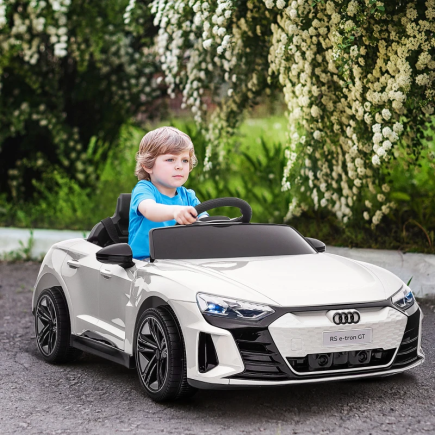


When it comes to choosing the perfect ride-on toy for your child, one of the most important decisions you’ll face is whether to go for a 12V or 24V Power Wheels model. Both options provide an exciting driving experience for kids, but understanding their differences can help you make the right choice for your child’s age, experience, and outdoor environment.
This guide will compare 12V and 24V Power Wheels across key factors like speed, battery life, weight capacity, terrain compatibility, and safety to ensure you choose the best ride-on vehicle for your little one.
Power Output: How Much Power Does Your Child Need?
The main difference between 12V and 24V Power Wheels is the amount of power they provide. More power means more speed and better performance on various terrains. Here’s how the two stack up:
12V Power Wheels
- Power: Provides a stable and moderate power output, perfect for younger kids.
- Voltage: 12-volt battery.
- Ideal For: Children ages 3–6 who are still mastering coordination and control.
- Performance: Suitable for flat surfaces and short, controlled rides.
24V Power Wheels
- Power: With double the voltage, these models deliver more speed and torque.
- Voltage: 24-volt battery.
- Ideal For: Children ages 6–10, or those who need a more exciting and powerful ride.
- Performance: Handles rougher terrain and higher speeds effortlessly.
The 24V version is the clear choice for older kids looking for excitement and durability on tougher ground.
Speed: Which One Will Get Your Child Moving Faster?
Speed plays a huge role in the excitement of a ride-on toy, and each model offers different experiences in this area.
12V Power Wheels
- Top Speed: Reaches 5 mph. This speed is perfect for younger riders who are still learning to control their ride.
- Best For: Controlled environments, such as paved driveways and smooth lawns.
24V Power Wheels
- Top Speed: Hits 8–10 mph, offering a thrilling ride for more confident, older children.
- Best For: More adventurous kids, capable of managing faster speeds and varied terrains.
If your child enjoys more speed and the thrill of going faster, the 24V model is the one to go for.
Battery Life: What’s the Playtime Like?
No one wants to deal with frequent recharges during a play session. The amount of time a Power Wheels ride-on can run on a single charge is a critical factor for long outdoor fun.
12V Power Wheels
- Battery Life: Lasts 1–2 hours on a full charge, ideal for shorter outdoor play.
- Charging Time: Requires 8–12 hours to fully recharge.
24V Power Wheels
- Battery Life: Lasts 2–3 hours, making it perfect for longer rides and extended fun outdoors.
- Charging Time: Takes 12–16 hours for a full recharge.
If your child tends to enjoy long, uninterrupted play, the 24V model’s extended battery life will keep them riding longer.
Weight Capacity: Will It Support Your Growing Child?
As your child grows, you’ll want a ride-on that can accommodate their size and weight. Power Wheels models come with different weight capacities to support kids of various ages.
12V Power Wheels Weight Capacity
- Weight Limit: Supports kids up to 60-65 lbs.
- Best For: Younger children (typically ages 3–6) who are still lightweight and growing.
24V Power Wheels Weight Capacity
- Weight Limit: Accommodates children up to 130 lbs or more.
- Best For: Older kids (ages 6–10) who may weigh more, or for multiple children sharing the ride.
If your child is older or heavier, the 24V model is the better option to ensure it lasts through their growth spurts.
Terrain Compatibility: Which One Can Handle Rougher Ground?
The surface your child will be riding on plays a major role in determining which Power Wheels model is best suited for their needs.
12V Power Wheels Terrain
- Ideal For: Smooth, flat surfaces like paved driveways, sidewalks, and grass.
- Limitations: Struggles on rough or uneven terrain, such as gravel paths or dirt roads.
24V Power Wheels Terrain
- Ideal For: More challenging surfaces like gravel, dirt, and moderate inclines.
- Enhanced Features: 24V models often come with larger tires for better traction on rougher ground.
For families who want to take their ride-on vehicle off the paved path and onto dirt or gravel, the 24V model is more versatile.
Safety Features: Which Offers More Protection?
Both 12V and 24V Power Wheels come with built-in safety features, but the higher performance of 24V models means added safety mechanisms to match the increased speed.
12V Power Wheels Safety Features
- Speed Control: Many models include parent-controlled speed limits to keep things slow and safe.
- Automatic Braking: Stops the vehicle automatically when the foot is lifted from the pedal.
- Seatbelt: Keeps your child securely in place during the ride.
24V Power Wheels Safety Features
- Advanced Speed Limiters: Includes built-in speed controls for added safety at higher speeds.
- Enhanced Suspension: Ensures stability, especially when riding on rough terrain or at higher speeds.
- Larger Tires: Provide better stability and traction.
The 24V version offers a bit more reassurance in terms of safety due to its higher speeds and rougher terrain capabilities.
New Feature: Control and Steering
Another aspect to consider is how each model allows your child to control the vehicle. Steering and maneuverability are important for both enjoyment and safety.
12V Power Wheels
- Steering: Easier to control at lower speeds, with simple steering mechanisms for young children still learning hand-eye coordination.
24V Power Wheels
- Steering: Requires more skill to steer at higher speeds, but with enhanced suspension and larger tires, it provides a smoother and more controlled ride.
For children who are ready for a bit more challenge, the steering in a 24V Power Wheels model provides a more engaging experience, while still maintaining excellent stability.
Quick Comparison: 12V vs 24V Power Wheels
Here’s a quick look at the differences between the two models to help make your decision easier:
| Feature | 12V Power Wheels | 24V Power Wheels |
| Top Speed | 5 mph | 8–10 mph |
| Battery Life | 1–2 hours | 2–3 hours |
| Weight Capacity | Up to 65 lbs | Up to 130 lbs |
| Terrain Compatibility | Smooth surfaces only | Handles rough terrain |
| Safety Features | Standard features | Enhanced features for higher speeds |
| Ideal For | Younger kids | Older, more adventurous kids |
So, Which One Should You Choose?
Ultimately, your choice between a 12V or 24V Power Wheels model depends on several factors, including your child’s age, weight, and the type of terrain they’ll be riding on. When choosing between these Electric Ride-On Toys, a 12V Power Wheels is ideal for younger children who will primarily ride on smooth surfaces.
However, if your child is older, more adventurous, or needs a ride-on vehicle that can handle rough terrain and higher speeds, a 24V Power Wheels offers the added excitement and durability they need.
FAQs
To extend battery life, ensure that you fully charge the vehicle before each use and avoid overcharging. For better longevity, always store the vehicle in a cool, dry place when not in use and periodically check for any signs of battery wear.
The 12V model is best suited for flat, smooth surfaces like paved driveways and grass. It struggles on rough terrains like gravel or dirt roads, so for off-road adventures, consider upgrading to a 24V model with enhanced traction and larger tires.
Both 12V and 24V Power Wheels have essential safety features, but the 24V models include advanced speed limiters, enhanced suspension, and larger tires for better control on rough terrain. Always ensure that the vehicle includes a seatbelt, automatic braking, and proper speed controls for peace of mind.