













Measuring a patio umbrella correctly ensures the umbrella provides proper shade, fits securely with your furniture, and remains stable during everyday use. Each measurement canopy size, pole diameter, height, brim clearance, and base weight plays a direct role in how well the umbrella performs once installed.
This guide focuses entirely on practical measuring steps, real sizing data, and buying-stage decisions, so you can confidently choose an umbrella that works with your space instead of adjusting after purchase.
Key Measurements to Know Before Measuring a Patio Umbrella
Before starting, understand the core measurements that determine whether a patio umbrella will work for your setup:
- Canopy diameter or length × width
- Furniture footprint (table or seating area)
- Pole diameter compatibility
- Total height and under-canopy clearance
- Base weight requirements
All measurements should be taken with the umbrella fully open, as closed measurements do not reflect real-use conditions.
What Size Do Patio Umbrellas Come In?
Patio umbrellas are manufactured in standardized sizes designed to match common patio furniture layouts. These size ranges are consistent across most brands and help buyers quickly identify suitable options before narrowing down exact measurements.
Understanding these standard sizes prevents under-coverage, overcrowding, and instability.
Common Patio Umbrella Sizes and Uses
| Umbrella Size | Typical Use |
| 6–7 ft | Bistro tables, café seating, balconies |
| 7.5–8 ft | Compact dining tables |
| 9 ft | 4-seat round or square tables |
| 10 ft | Medium dining sets or lounge seating |
| 11 ft | 6–8 seat dining tables |
| 12–13 ft | Sectionals, large gatherings |
| 10×10 ft | Square seating areas |
| 10×13 ft | Rectangular dining tables |
Sizing rule: A patio umbrella should extend at least 24 inches beyond the furniture edge on all sides for consistent shade coverage.
How to Measure a Patio Umbrella Canopy
The canopy size determines how much usable shade the umbrella provides. This is the most important measurement and should always be taken using the umbrella’s frame, not the fabric edge.
Measuring Round or Octagonal Umbrellas
- Fully open the umbrella until all ribs lock into place.
- Measure along one rib from the center hub to the outer edge.
- Multiply that measurement by two.
Canopy Diameter = Rib Length × 2
This method provides the most accurate measurement and is also used when selecting replacement canopies.
Measuring Square or Rectangular Umbrellas
- Measure one full side for square umbrellas.
- Measure length × width for rectangular umbrellas.
- Avoid diagonal measurements when planning shade coverage, as they exaggerate usable area.
How to Choose the Right Umbrella Size for Your Table or Seating Area
Umbrella sizing should always be based on the furniture footprint rather than the overall patio size.
Umbrella Size by Table Diameter
| Table Diameter | Recommended Umbrella |
| 30–36 inches | 6–7.5 ft |
| 38–48 inches | 9–10 ft |
| 54–60 inches | 11 ft |
| 66–72 inches | 12+ ft |
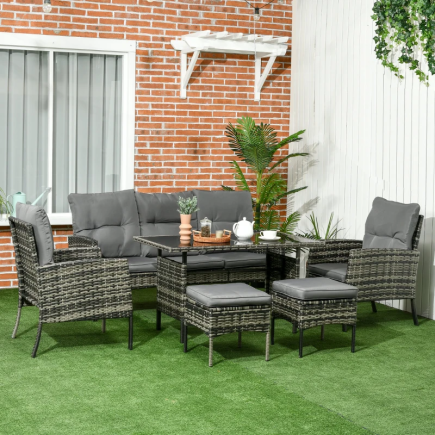
For Sectionals and Lounge Seating
- Measure the full seating footprint, including ottomans or chaise extensions.
- Add approximately 4 feet to the longest dimension.
- Cantilever umbrellas are often better for off-center layouts where a center pole would interfere with seating.
How to Measure Patio Umbrella Pole Diameter
The umbrella pole diameter controls how securely the umbrella fits into a base or table hole and how stable it feels during use. Even small mismatches can lead to wobbling or uneven pressure on the base.
Pole diameter is especially important when umbrellas and bases are purchased separately.
How to Measure Pole Diameter Correctly
Direct method
- Measure straight across the thickest part of the pole (usually near the base).
Circumference method
- Measure around the pole.
- Divide the measurement by 3.14.
Pole Diameter = Circumference ÷ 3.14
Always measure at the widest point, as some poles taper slightly.
Common Patio Umbrella Pole Sizes
| Pole Diameter | Typical Application |
| 1.5 inches | Standard residential umbrellas |
| 1.75 inches | Heavy-duty residential |
| 2–2.5 inches | Large or commercial umbrellas |
Tip: The base or table opening should be no more than 0.25 inches wider than the pole diameter.
How Tall Should a Patio Umbrella Be?
Umbrella height affects comfort under the canopy, shade placement, and compatibility with pergolas, balconies, and tree branches. Height should always be measured with the umbrella fully open.
How to Measure Total Umbrella Height
- Fully open the umbrella.
- Place the tape measure at ground level next to the base.
- Measure vertically to the top finial.
Recommended Height Ranges
| Measurement | Ideal Range |
| Total Height | 7–9 feet |
| Clearance Under Canopy | 6.5–7 feet |
Umbrellas taller than 9 feet often cast shade beyond the seating area unless tilted. Shorter umbrellas can feel cramped and restrict movement.
Another frequent mistake is ignoring wind exposure, which is often the primary reason patio umbrellas blow over even when the canopy size is correct.
What Is Brim Height and Why It Matters
Brim height is the distance from the ground to the lowest edge of the canopy. This measurement directly affects comfort, movement, and usability under the umbrella.
Low brim height can cause people to duck, limit chair movement, or block views especially around dining tables or bar-height seating.
How to Measure Brim Height
- Fully open the umbrella.
- Identify the lowest point of the canopy edge.
- Measure vertically from the ground to that point.
Recommended Brim Height
- Minimum comfortable clearance: 78 inches (6.5 feet)
If the umbrella includes a tilt feature, remember that tilting lowers the brim on one side. Slightly taller umbrellas maintain better clearance when tilted.
How Tilt Affects Shade Coverage
Tilting an umbrella changes how much horizontal shade it provides.
Effective Shade Formula
Effective Shade = Canopy Diameter × cos(tilt angle)
Example:
A 9 ft umbrella tilted at 30°
9 × 0.866 ≈ 7.8 ft of usable shade
Practical guidance: If frequent tilting is expected, size up by one umbrella category to maintain full coverage.
Similar to adjusting shade at the shoreline, knowing how to tilt beach umbrella designs effectively helps maintain usable shade without sacrificing clearance or stability.
How Heavy Should a Patio Umbrella Base Be?
The base must match both the canopy size and exposure level to ensure stability.In windy or open environments, the same principles used to hold down beach umbrella setups apply to patios as well: adequate base weight, proper pole fit, and ground stability all prevent tipping and sudden movement.
Market Umbrella Base Weight Guide
| Umbrella Size | Minimum Base Weight |
| Up to 7.5 ft | 30–40 lb |
| 8–9 ft | 40–50 lb |
| 10–11 ft | 50–70 lb |
| 12+ ft | 70–100+ lb |
Cantilever Umbrella Base Guide
| Umbrella Size | Base Requirement |
| 8 ft | 70–90 lb |
| 9 ft | 200+ lb |
| 10–11 ft | 280+ lb |
| 12+ ft | 330+ lb or permanent mount |
Wind-exposed areas require heavier bases regardless of size.
Common Patio Umbrella Measuring Mistakes
- Measuring fabric edges instead of ribs
- Choosing umbrella size based only on patio size
- Ignoring tilt shade reduction
- Using a base that is too light
- Not checking clearance for doors or chairs
Avoiding these mistakes saves time, money, and returns.
Shade That Fits the Way You Use Your Space
A properly measured patio umbrella delivers full shade coverage, comfortable clearance, and stable performance without adjustments or compromises.
Measure accurately, size realistically, and choose based on how the space is actually used. With the right Patio Umbrella, you can create a shaded retreat, adding both comfort and visual appeal to your outdoor living space.
FAQs
You can, but it usually leads to uneven shade and constant repositioning. A smaller canopy won’t cover chair movement or shifting sun angles. Sizing up ensures consistent shade throughout the day.
If the umbrella sways when lightly pushed, the base is too light. Wind-exposed spaces often need heavier bases than size charts suggest. Choosing a heavier base improves safety and reduces tipping.
Only if the pole diameter closely matches the table opening. A loose fit causes wobbling and uneven pressure on the base. Always measure both before buying to avoid instability.