





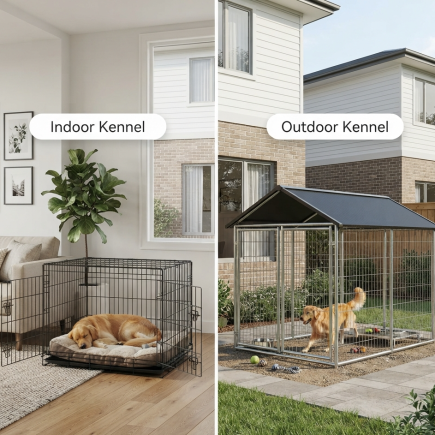
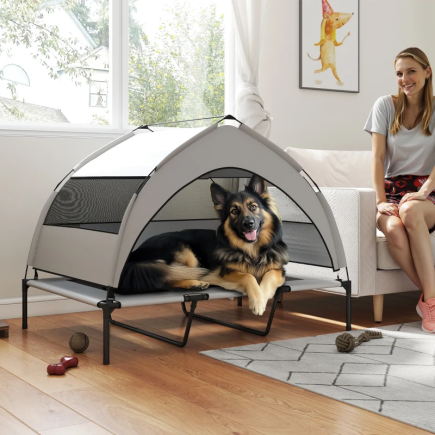
Providing a safe and secure space for your dog is essential, and a well-secured playpen can offer both safety and comfort. Whether used indoors or outdoors, a dog playpen should be stable and strong to prevent any escapes or accidents. A properly secured playpen not only gives your dog room to play and relax but also ensures peace of mind for you, knowing your furry friend is safely contained.

Dogs are naturally curious and energetic. Many will attempt to push, tip, or escape from their playpens if given the chance. Securing your dog’s playpen properly ensures they remain safe while giving you peace of mind.
Effective Methods to Secure Your Dog Playpen
To ensure your dog’s playpen is secure, there are several strategies you can implement. Whether you’re placing the playpen indoors or outdoors, it’s essential to focus on stability, preventing movement, and ensuring that your dog cannot escape.
The following methods outline practical and effective ways to enhance the security of your playpen:
Ground Anchors and Stakes
Ground anchors and stakes are the most reliable outdoor security method. These metal stakes drive deep into the soil, creating a firm foundation that keeps the playpen in place.
Follow these steps for proper installation:
- Insert stakes through designated holes at the base of each panel
- Drive them at least 15-20 centimetres into the ground
- Angle stakes slightly outward to increase resistance to pulling forces
- Ensure stakes penetrate firmly into the soil
Weighing Down the Perimeter
Adding weight along the perimeter creates substantial resistance to movement. This technique works exceptionally well when combined with stakes for maximum security.
Sandbag placement guidelines:
- Use bags weighing at least 10-15 pounds each
- Position them at corners and midpoints along longer panels
- Place where leverage is greatest
- Create continuous coverage along the base
Bricks and cinder blocks serve as excellent alternatives. Their rigid structure and considerable weight make them ideal for preventing shifts and wobbles. Arrange them in a continuous line along the base, ensuring they sit flush against the panels.
Anchoring to Furniture
Heavy furniture provides solid anchor points for indoor playpens. Sofas, entertainment centres, and sturdy cabinets make excellent choices for this purpose.
Connection methods:
- Use zip ties or coated wire to connect panels to furniture legs
- Loop ties through panel connections and around furniture pieces
- Pull ties snug but not overly tight
- Avoid damaging either the playpen or your furnishings
Stair newel posts offer particularly strong anchoring points. These posts are designed to bear significant weight and resist movement, making them ideal for securing corners or sides of your playpen setup.
Non-Slip Pads and Mats
Non-slip pads create friction between the playpen and your flooring. This dramatically reduces sliding on smooth surfaces like hardwood, tile, and laminate.
Placement tips for silicone pads:
- Position under each corner
- Add pads along the base of longer panels
- Ensure full contact with both floor and playpen frame
- Check placement regularly
Rubber grip mats offer an alternative that covers larger surface areas. Cut them to size and position them beneath the entire footprint of the playpen. This distributes grip across the whole structure, providing consistent resistance to sliding in any direction.
Tightening Connection Points
The integrity of panel connections determines overall structural stability. Loose or improperly fastened panels create weak points that compromise the entire enclosure. Examine each connection point where panels join together. Most playpens use clips, pins, or interlocking mechanisms that should click firmly into place with no wiggle room.
Check these elements regularly:
- All clips and fasteners are properly engaged
- No gaps exist between connected panels
- Connections resist separation with minimal force
- Hardware shows no signs of wear or damage
Vibration from your dog’s movement gradually loosens connections over time. Weekly checks of all clips and fasteners prevent small issues from becoming major problems.
Corner Stabilizers
Corner stabilizers reinforce the most vulnerable points in any playpen configuration. These accessories attach at panel junctions, preventing the accordion-like collapse that occurs when corners give way.
Installation recommendations:
- Attach stabilizers at all corner junctions
- Install on both inside and outside of corners for maximum rigidity
- Use manufacturer-recommended hardware
- Tighten securely without over-tightening
The added bracing transforms flexible corners into solid angles that resist deformation. This simple addition significantly improves overall stability.
Lumber Reinforcement
Two-by-four boards add both weight and structural reinforcement. Cut boards to length and attach them along panel seams to serve dual purposes.
Benefits of lumber reinforcement:
- Wood’s weight resists movement
- Length distributes weight across multiple panels
- Ties panels together into a unified structure
- Prevents individual panels from flexing independently
Secure the lumber to panels using heavy-duty zip ties or U-bolts at regular intervals. This approach works particularly well for larger playpen configurations where multiple panels create long runs.
Locking Wheel Mechanisms
Playpens equipped with wheels allow easy repositioning when unlocked. The wheel locks engage brakes that prevent rotation, effectively transforming a mobile playpen into a stationary one.
Usage guidelines for wheeled playpens:
- Position playpen before bringing your dog to the space
- Lock all wheels securely before introducing your pet
- Check locks regularly as they can wear over time
- Never move the playpen with your dog inside
Properly securing your Dog Playpen is a crucial step in creating a safe and stable environment for your pet. By combining various methods, such as ground anchors, furniture anchoring, non-slip mats, and tightening connection points, you can ensure that your playpen stays firmly in place, even with your dog’s natural energy and curiosity.
Additionally, using corner stabilizers, lumber reinforcement, and locking wheel mechanisms further enhances the playpen’s durability and security. Regular inspection and adjustments based on your dog’s behavior will keep the playpen in optimal condition, providing a secure space for your dog to relax and play freely.
FAQs
1. How can I make my playpen more stable for an energetic dog?
To prevent an energetic dog from tipping or moving the playpen, use ground anchors, tighten all panel connections, and add corner stabilizers. Additionally, reinforcing the structure with lumber boards will add weight and prevent the playpen from shifting.
2. How do I check if my dog’s playpen is properly secured?
Regularly inspect the playpen by checking the integrity of panel connections, ensuring that clips, pins, and interlocking mechanisms are securely engaged. Also, examine any anchors or stabilizers to make sure they’re firmly in place, and check the stability of the playpen when your dog moves inside.
3. What should I do if my dog is chewing or damaging the playpen?
If your dog is chewing on the playpen, ensure you use chew-resistant materials, such as reinforced plastic or metal. Consider using a deterrent spray on the playpen’s surface and provide alternative chew toys to distract your dog.