



























Moving a pool table requires careful planning, the right tools, and a safe lifting technique. Whether you’re relocating it to another room or a new home, taking the table apart properly helps prevent damage to the frame, slate, felt, and surrounding furniture.
This guide explains how to move a pool table safely, from preparing your space and gathering tools to disassembling, transporting, and setting it up again. In most cases, the safest approach is to remove the pockets, rails, felt, and slate before moving, then reassemble and level the table in its new location.
1. How Heavy Is a Pool Table?
Knowing your pool table’s weight helps you plan the move safely. It determines how many people you’ll need and whether the table should be disassembled before lifting.
Pool Table Weight Guide
| Table Type | Approximate Weight |
| Mini or foldable pool table | 40–90 lbs |
| Non-slate table (MDF or particleboard) | 200–400 lbs |
| One-piece slate table | 400–600 lbs |
| Three-piece slate table | 700–1,000+ lbs (150–250 lbs per slate section) |
Tip: The slate is usually the heaviest part of the table, so plan extra help before lifting or moving it.
2. What Tools and Supplies Do You Need?
Having the right tools ready makes the job easier and helps prevent damage during disassembly and transport.
Essential Tools
- Socket wrench or adjustable wrench.
- Phillips and flathead screwdrivers.
- Power drill for slate screws.
- Staple remover or needle-nose pliers.
- Work gloves and safety glasses.
Tip: Keep all screws, bolts, and small parts in labelled bags to make reassembly quicker and avoid losing hardware.
Moving Supplies
- Measure the pool table and every doorway, hallway, staircase, and tight corner along the moving route.
- Clear the path by removing rugs, furniture, cords, and other obstacles from both locations.
- Remove all accessories, including balls, cues, the triangle rack, chalk, and table cover.
- Take photos of the pockets, rails, felt, and slate layout to make reassembly easier.
- Place moving blankets or protective sheets on floors to help prevent scratches and damage.
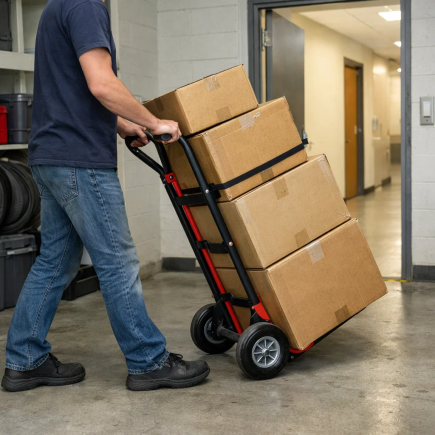
Tip: A stair-climbing hand truck makes a real difference if any part of the route includes steps, since it lets one person guide a heavy box instead of carrying it.
3. How Do You Prepare a Pool Table and Room Before Moving It?
A little preparation before you start makes the move safer and much easier. Measuring your space, clearing the route, and organizing the table parts helps prevent damage and speeds up reassembly.
- Measure the pool table and every doorway, hallway, staircase, and tight corner along the moving route.
- Clear the path by removing rugs, furniture, cords, and other obstacles from both locations.
- Remove all accessories, including balls, cues, the triangle rack, chalk, and table cover.
- Take photos of the pockets, rails, felt, and slate layout to make reassembly easier.
- Place moving blankets or protective sheets on floors to help prevent scratches and damage.
Tip: If any measurement is close, measure twice; a table that’s an inch too wide for a doorway can mean disassembling further than planned.
4. Should You Disassemble a Pool Table Before Moving It?
Disassembly is the safer, more reliable option for almost every move. Moving a table fully assembled only makes sense under a narrow set of conditions.
| Approach | Best For |
| Move without disassembly | Same room or one adjoining room, same floor, clear path, 3-4 helpers available |
| Disassemble first | Any move involving stairs, long distances, tight doorways, a vehicle, or a three-piece slate table |
Tip: When in doubt, disassemble. Slate cracks under twisting force with little warning, and that kind of damage usually isn’t repairable.
5. How Do You Disassemble a Pool Table Step by Step?
Disassemble the pool table from the top down and keep every piece of hardware organized. Taking photos during each stage can also make reassembly much easier.
- Remove the accessories: Take away the balls, cues, rack, chalk, and other loose items.
- Remove the pockets: Unscrew or carefully unstaple each pocket, then store them together.
- Detach the rails: Remove the rail bolts with a socket wrench and lift the rails away with help.
- Remove the felt: Pull out the staples or slowly peel back glued felt. Roll it loosely to prevent creases.
- Lift off the slate: Remove the slate screws and lift each section with at least one helper. Never drag the slate.
- Detach the legs and frame: Once the playing surface is removed, take apart the legs and remaining frame sections.
Tip: Label every bag of screws and bolts, and photograph unfamiliar parts before removing them.
6. How Do You Move a Pool Table Without Taking It Apart?
This method is only suitable for short moves, such as repositioning a pool table within the same room or moving it into an adjoining room on the same floor. It should never be used for stairs, long distances, or slate tables that cannot be moved safely as one piece.
- Place furniture sliders under each table leg to protect the floor and reduce friction.
- Position at least three or four helpers, with one person at each corner of the table.
- Lift together on a clear count to keep the frame level and avoid twisting.
- Move slowly and communicate throughout the move, with one person guiding the direction.
- Stop immediately if you encounter resistance, a tight doorway, or an uneven floor.
Tip: If the table needs to cross a doorway threshold, stairs, or an uneven floor, switch to disassembly instead of forcing it through.
7. How Do You Transport Pool Table Parts Safely?
Once the table is disassembled, each part should be packed and transported carefully to prevent damage. Slate requires the most attention because it is extremely heavy, brittle, and can chip or crack if handled incorrectly.
- Wrap each slate section separately in a padded moving blanket and secure it with straps. Never stack slate pieces directly on top of each other.
- Keep slate flat during lifting, carrying, and transport. Never stand it on its edge or lean it against a wall.
- Wrap rails, legs, and pockets in moving blankets or pack them in clearly labelled boxes.
- Store bolts, screws, and other hardware in labelled bags, then tape each bag to its matching part or place all hardware in one marked box.
- Use a furniture dolly or hand truck for heavier parts, and move slowly on stairs, ramps, or uneven surfaces.
Tip: If the table is travelling any real distance by vehicle, secure every piece so nothing can shift or slide during transport.
8. How Do You Reassemble and Level a Pool Table?
Reassembly is disassembly in reverse, with one extra step at the end: making sure the table is perfectly level before you play on it again.
- Position the frame and legs first, then use a spirit level to make sure the base is perfectly level before installing the slate.
- Carefully place each slate section back onto the frame, aligning the seams accurately on three-piece tables.
- Stretch the felt evenly over the slate, working from the centre outward to remove wrinkles before stapling or gluing it in place.
- Reattach the rails using the original bolts, tightening them gradually and evenly to maintain proper alignment.
- Reinstall the pockets and check that each one is securely attached before playing.
Tip: Once it’s assembled, roll a ball across the table in several directions. If it drifts instead of rolling straight, adjust the leg levellers or add shims until it doesn’t.
9. Common Mistakes to Avoid When Moving a Pool Table
Most pool table moving damage comes from a small number of avoidable mistakes.
- Trying to move a slate table without enough helpers.
- Dragging or sliding the table instead of lifting it fully off the floor.
- Skipping the doorway and stairwell measurements before starting.
- Losing track of screws, bolts or which pocket came from which corner.
- Setting slate down on an uneven, unpadded or narrow surface where it can crack or chip.
Skipping the revealing step after reassembly and playing on an uneven table.
Tip: If you’re unsure about any step, pause. It’s far easier to slow down mid-move than to repair a cracked slate or a stripped pocket.
Should You Hire Professional Pool Table Movers?
DIY moving works well for mini and portable pool tables, lighter non-slate tables, and short, single-level moves where you have enough helpers. A heavier slate table, a move involving stairs or long distances, or simply not having the tools and helpers on hand are all good reasons to call in professional pool table movers, who bring the right equipment and experience to disassemble, transport and relevel the table safely.
Tip: If you do hire movers, get a few quotes and ask specifically whether disassembly, transport and reassembly are all included, since pricing structures vary between companies.
Thinking About an Easier Move Next Time?
A full-size slate table is heavy by design, and there’s no way around the effort a move like this takes. If you expect to move again, or you’re setting up a game room for the first time, a Foldable Or Portable Pool Table is worth considering. These MDF-based designs weigh a fraction of a slate table and can be folded down and carried by one or two people in minutes, which makes them a practical choice for renters, apartments and rooms that double as something else.
FAQs
Cost depends on distance, whether the table needs disassembly and reassembly, stairs, and whether you hire professionals or move it yourself. DIY moves cost mainly your time and any equipment you rent or buy, while professional pool table movers price based on those same factors, so it’s worth getting a few quotes to compare.
Not safely, if it’s a slate table. The slate alone can weigh 150-250 lbs per section, so plan for at least three or four people. A mini or foldable pool table is light enough for one or two people to carry once it’s folded down.
Disassembly typically takes about 2-4 hours, and reassembly takes a similar amount of time, depending on the table and how experienced the helpers are. Add transport time on top of that when planning your day.
Only for a very short, same-level move with a clear path, since the slate is the heaviest and most fragile part of the table. For any real distance, doorway or staircase, removing the slate is safer for both the table and the people moving it.
Yes. At minimum you’ll need a socket wrench, a screwdriver set, a staple remover for the felt, moving blankets and furniture sliders or a dolly. A power drill speeds up removing the slate screws.