






Where you put a dog bed has a bigger impact than most people realise. The right location helps your dog sleep deeply, feel secure, and stay relaxed throughout the day. The wrong spot can lead to broken sleep, restlessness, stress, or constant interruptions from noise and movement.

This guide breaks down how to choose the best place for a dog bed based on behaviour, home layout, comfort needs, and everyday routines.
Understanding Your Dog’s Natural Sleeping Preferences
Every dog has natural habits that guide where they sleep best. Some always follow their owner from room to room. Others prefer a bit of distance and settle in areas that feel calm and quiet. Understanding your dog’s tendencies makes placement easier and prevents choosing a spot they’ll ignore.
Behaviour Indicators to Watch
- Where your dog settles most often
- How quickly they fall asleep
- Whether they choose open spaces or corners
- Signs of restlessness, pacing, or avoiding a spot
What Makes a Spot Feel Safe
Dogs feel secure in areas with:
- A wall or corner behind them
- A good view of the room
- Minimal unexpected noise
- Consistent lighting and airflow
Core Rules for Choosing the Right Spot
These placement rules ensure the bed becomes a space your dog naturally gravitates toward.
Comfort & Security
- Avoid spots with heavy foot traffic
- Choose predictable, steady areas
- Ensure the dog can stretch fully without obstruction
Temperature Stability
- Avoid drafts near windows or doors
- Keep away from heating vents
- Avoid direct sun patches during the day
Low Noise & Low Traffic
- Walkways
- Loud appliances
- Busy entry points
Routine & Daily Flow
- Whether they prefer closeness or independence
- How their routine changes between daytime and nighttime
Health Considerations
- Easy movement for senior dogs
- Safe supervision for puppies
- Quiet recovery for dogs healing from injuries
Best Places to Put a Dog Bed
Each area offers unique benefits.
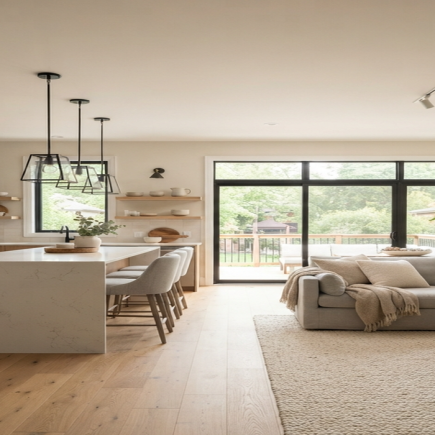
1. Living Room Corner
- Being near family: This allows your dog to feel connected to the household while relaxing comfortably in their own space, especially during daily activities.
- Staying involved in activity: Dogs that like observing the room can rest peacefully while still sensing movement and routine around them.
- Having a quiet retreat off to the side: A corner placement keeps them close but gives enough separation from noise and foot traffic for proper rest.
2. Bedroom Beside Your Bed
- Nighttime anxiety: Dogs that struggle with separation feel more secure and settle faster when they can sleep near their trusted person.
- Sound sleep routines: Being close to you helps maintain a calm, predictable bedtime pattern, improving overall sleep quality.
- Relaxation for dogs who need closeness: Proximity offers comfort and reassurance, especially for sensitive or clingy dogs who rest best near their owners.
3. Home Office Area
- Likes resting while you work: Many dogs enjoy lying near their owner during work hours, creating a relaxed environment for both of you.
- Needs a calm daytime resting space: The office usually provides a quieter atmosphere, ideal for mid-day naps without household distractions.
- Benefits from quiet companionship: Your presence offers comfort, while the stable office setup gives them a peaceful zone to relax.
4. Near a Window (If Temperature-Stable)
- Watching outdoor activity: Dogs who enjoy visual stimulation stay mentally engaged by observing birds, people, or movement outside.
- Resting in natural light: Soft sunlight creates a warm, soothing resting spot, perfect as long as the temperature stays balanced.
- Staying mentally stimulated: The changing scenery keeps their mind active, reducing boredom and promoting a sense of calm.
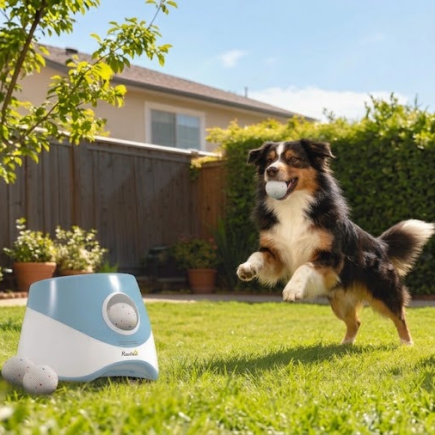
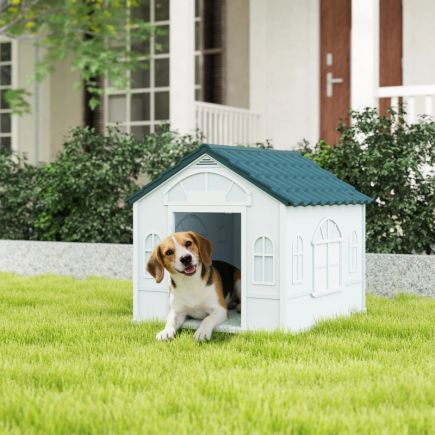
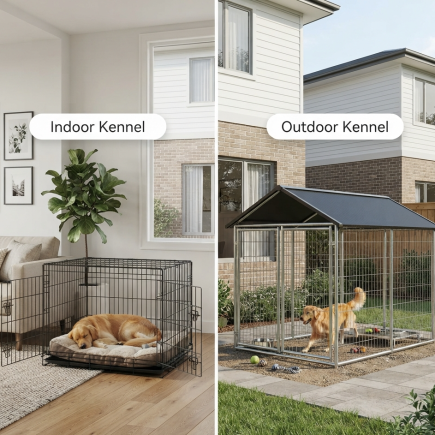
5. Outdoor Resting Spot (If Dog Prefers It)
- Shade: Essential for warmth-sensitive dogs that love being outside but need protection from harsh sunlight.
- Clean, dry surfaces: Keeps your dog comfortable and prevents dampness or irritation while they rest outdoors.
- A weather-resistant bed: Ensures durability and comfort even with changing outdoor conditions like moisture or dust.
6. Under the Stairs
- Under stairs: A naturally sheltered space that provides a den-like feel, perfect for dogs who enjoy enclosed resting areas.
- Built-in wall nooks: These hidden corners offer privacy and security while keeping the bed neatly out of the main living flow.
- Storage ottoman beds: Great for small spaces, allowing the bed to blend seamlessly into the home without taking up extra room.
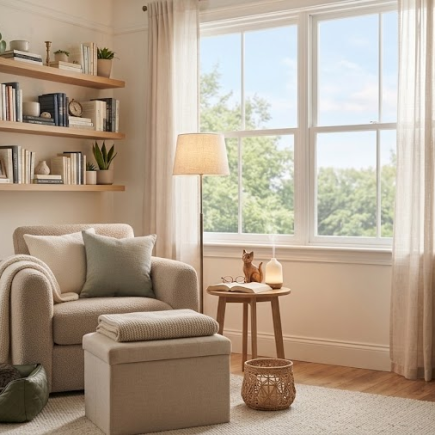
7. Beside a Sofa or Armchair
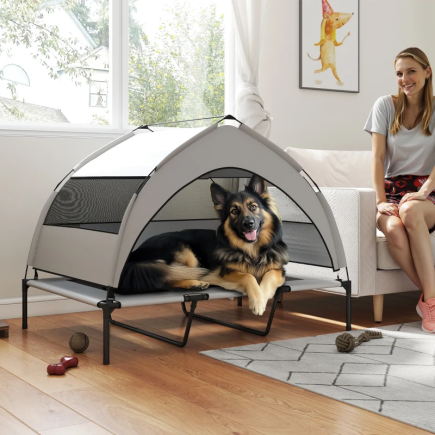
- Security from the furniture backing: The solid backing helps dogs feel protected, reducing stress and making it easier to fully relax, especially when using an Elevated Cooling Dog Bed that keeps them off the ground.
- Close Companion Comfort: Perfect for social dogs who like being part of family time while enjoying a cosy resting zone.
- Reduced Movement Protection: The placement shields them from fast-moving foot traffic, allowing uninterrupted rest.
8. Under a Console Table or Sideboard
- Den-Style Shelter: This semi-enclosed space naturally mimics the secure feeling of a den, helping dogs settle comfortably.
- Cozy Enclosed Comfort: Your dog stays near the household activity but enjoys a lowered ceiling effect that feels safe.
- Low and Protected Space Lovers: Many dogs instinctively seek low-height areas, and this placement caters to that natural preference.
Choosing the right spot for a Dog Bed comes down to understanding where your dog naturally feels comfortable, safe, and undisturbed. Observe their habits, make adjustments when needed, and create a space that fits both their personality and your home’s layout. When placed thoughtfully, a dog bed becomes more than a sleeping area, it becomes a true comfort zone.
FAQs
1. My dog sleeps on the floor next to the bed instead of on it. Why?
This often means your dog prefers the temperature or firmness of the floor. Add a cooler or firmer-style dog bed, or adjust its placement so the area feels less warm or confined. Sometimes moving the bed a few inches away from a wall solves the issue.
2. What if my dog has multiple favourite spots and rotates constantly?
Some dogs naturally shift based on mood, temperature, or household activity. Offering two beds or moving one between those favourite areas during the day can support this behaviour without disrupting your home layout. Flexibility helps them feel secure.
3. How do I stop my dog from sleeping in unsafe places like behind furniture?
When dogs squeeze into tight spots, they’re usually seeking security. Provide a safe den-like corner with a bed against a wall, so they don’t feel the need to hide behind objects. Blocking unsafe areas temporarily can redirect them to the new secure zone.
4. What if the dog bed becomes dirty quickly because of its placement?
High-activity zones or spots near food can lead to faster dirt buildup. Move the bed slightly away from these areas and choose a location with stable flooring. Using washable covers and placing a mat underneath helps keep the area clean.