

















Choosing the right dog bed influences your dog’s comfort, sleep quality, and joint health. With endless styles, materials, and shapes available, the process can feel overwhelming. This guide breaks the decision down into clear steps so you can confidently pick the bed that matches your dog’s needs and your lifestyle.

Understanding Your Dog’s Needs
To choose the right dog bed, start by understanding your dog’s basic needs. Every dog sleeps differently, and their size, habits, and health all influence the type of bed that will suit them best.
Size and Space Requirements
A bed must accommodate your dog’s full body comfortably.
Keep it simple:
- Measure your dog from nose to tail while they’re lying naturally.
- Add a few inches for stretching room.
- Ensure no limbs hang off the bed once they stretch.
Sleeping Style and Comfort Preferences
Your dog’s sleeping habits decide the ideal bed shape.
Common sleeping styles:
- Curlers: Prefer round or donut-shaped beds.
- Stretchers: Need long rectangular beds.
- Burrowers: Feel secure in hooded or cave-style designs.
- Leaners: Need bolsters to rest their head or body against.
Age, Breed, and Health Factors
Your dog’s physical condition influences the level of support needed.
Consider the following:
- Puppies: Need washable, durable materials.
- Adult dogs: Choose based on sleeping style and size.
- Senior dogs: Benefit from orthopaedic support.
- Large breeds: Require firm, high-density foam to prevent sinking.
- Dogs with joint issues: Need even weight distribution and thickness.
Choosing the Right Type of Dog Bed
Before choosing a specific dog bed, it helps to understand the different types available. Each bed style offers unique benefits based on your dog’s habits, comfort level, and daily routine. Knowing these differences makes the decision much easier.
Orthopaedic and Memory Foam Beds
Designed to reduce pressure on joints and maintain body alignment.
Best for:
- Senior dogs
- Large breeds
- Dogs recovering from injuries
- Dogs with arthritis or hip issues
Benefits:
- Even weight distribution
- Long-lasting shape
- High support density
Bolster and Donut Beds
Beds with raised edges that create a protected, cosy resting space.
Ideal for:
- Dogs who curl up
- Anxious dogs needing security
- Dogs who like resting their head on edges
Key features:
- Plush materials
- Round or oval shape
- Supportive side walls
Cushion and Pillow-Style Beds
Simple, wide-open sleeping surfaces like a Cushion Dog Bed offer relaxed, comfortable rest.
Suitable for:
- Laid-back loungers
- Dogs that frequently change positions
- Homes needing lightweight, movable beds
Pros:
- Easy to relocate
- Wide size variety
- Comfortable and flexible
Elevated or Cot-Style Beds
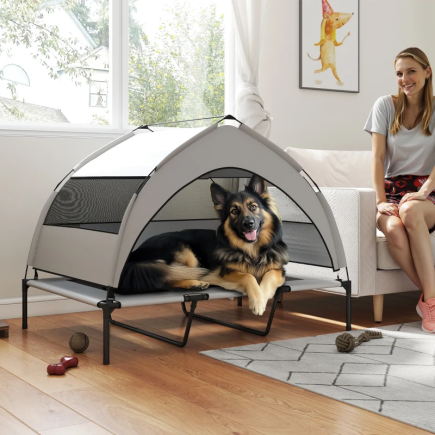
Raised Elevated Dog Beds promote better airflow and keep dogs off hard or cold surfaces. They’re great for dogs that overheat easily or prefer firmer support beneath them.
Best for:
- Dogs that get warm quickly
- Dogs who prefer a stable, firm sleeping surface
- Homes needing a bed that reduces dust and moisture buildup
Advantages:
- Enhanced airflow beneath the body
- Easy to clean and maintain
- Stays supportive without sinking
Crate Mats and Travel Beds
Compact and flexible options like an Artificial Grass Dog Bed offer convenient, on-the-go comfort.
Ideal for:
- Crate training
- Road trips
- Camping
- Frequent travellers
Benefits:
- Lightweight
- Easy to clean
- Folds or rolls for storage
Material and Quality Features to Look For
The materials used in a dog bed determine how comfortable, durable, and practical it will be. From outer fabrics to internal filling, each component plays a role in how well the bed performs over time. Understanding these features helps you choose a bed that fits your dog’s needs and your lifestyle.
Durable Outer Fabrics
The right outer fabric determines how long a dog bed will last and how well it handles daily use.
Look for materials such as:
- Oxford fabric for durability and water resistance
- Breathable mesh to improve airflow and keep your dog cool
- Reinforced stitching for long-term strength
- Tight-weave surfaces that resist tearing and daily friction
Cleaning and Maintenance Design
A bed should be easy to care for, especially if your dog sheds or tracks in dirt. Materials that release hair quickly and resist everyday wear make cleaning less of a hassle.
Helpful features:
- Easy-to-clean surfaces that allow quick hair removal
- Fabrics that resist daily scratching and wear
- Smooth textures that don’t trap fur
- Materials that maintain quality with regular brushing or wiping
Temperature and Comfort Features
A bed should match your dog’s natural heat tendencies.
Options include:
- Breathable mesh for warm sleepers
- Plush, insulated fabric for cold sleepers
- Cooling gel-infused layers
- Soft fleece for extra coziness
Match the Bed to Your Lifestyle
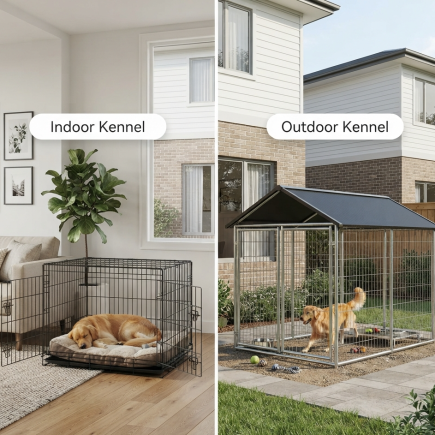
Indoor vs Outdoor Placement Needs
Different environments require different materials.
Outdoor beds need:
- Moisture resistance
- UV-safe fabric
- Quick-drying surfaces
- Raised or firm structure
Indoor beds allow:
- Softer materials
- Stylish designs
- Plush cushioning
Portability and Travel Convenience
Suitable for owners who move around often.
Choose beds that:
- Fold or roll compactly
- Are lightweight
- Have handles or straps
- Fit inside crates or car seats
Considerations for Multi-Pet Homes
Homes with more than one pet require extra planning.
Keep in mind:
- Each dog may need their own bed
- Shared beds work only if dogs are bonded
- Size differences require separate support types
- Avoid territorial disputes by offering options
What Each Price Level Offers
Budget Beds
Basic options for dogs without special support needs.
You get:
- Lightweight filling
- Basic fabric
- Simple cushioning
- Easy-to-replace design
Mid-Range Beds
Balanced options for everyday comfort and durability.
Expect:
- Better quality foam
- Washable covers
- Improved stitching
- Good support for most dogs
Premium Beds
High-support beds built to last.
Benefits include:
- High-density memory foam
- Luxury fabrics
- Excellent joint relief
- Long-term durability
- Strong anti-slip bottoms
Common Mistakes to Avoid When Choosing a Dog Bed
Avoid these errors:
- Picking a bed that’s too small
- Ignoring your dog’s actual sleeping style
- Choosing based only on colour or looks
- Forgetting about washability
- Choosing low-quality foam that flattens quickly
- Getting a bed unsuitable for indoor/outdoor use
Choosing the right Dog Bed involves understanding your dog’s sleeping habits, physical needs, and lifestyle. The right combination of size, support, materials, temperature control, and durability ensures your dog sleeps comfortably and stays healthy. By focusing on the features that match your dog’s behaviour and your home environment, you can confidently choose a bed that offers true, long-lasting comfort.
FAQs
1. What if my dog chews or tears every dog bed I buy?
Look for chew-resistant materials like Oxford fabric and reinforced stitching. Avoid plush or overly soft designs. Providing chew toys and engaging activities can redirect destructive behaviour away from the bed.
2. How do I pick a dog bed that doesn’t trap bad odours?
Choose beds with removable, washable covers and odour-resistant fabrics. Avoid dense materials that trap moisture. Regular washing and airing the bed outdoors also help prevent lingering smells.
3. How do I choose a dog bed suitable for both indoor and outdoor use?
Select a bed made from weather-resistant fabric with breathable mesh and moisture-proof layers. Ensure it is lightweight enough for indoor movement but sturdy enough to stay stable outdoors.
4. What should I do if my dog prefers the floor instead of any bed?
Some dogs naturally like firm surfaces. Choose a bed with firm foam or an Elevated Cot-Style Bed that mimics a stable surface. Adding a thin, breathable mat can help them transition slowly.