










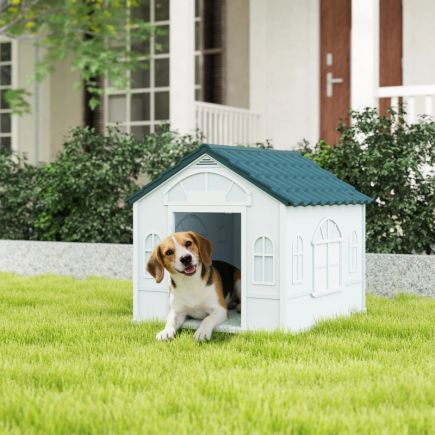
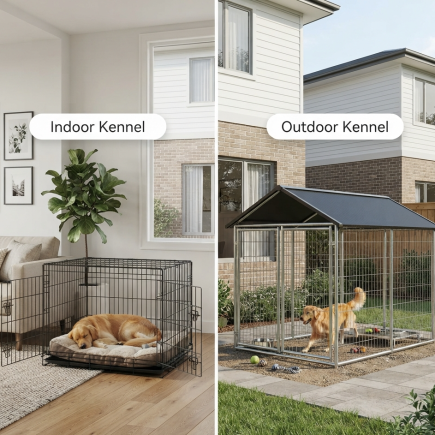
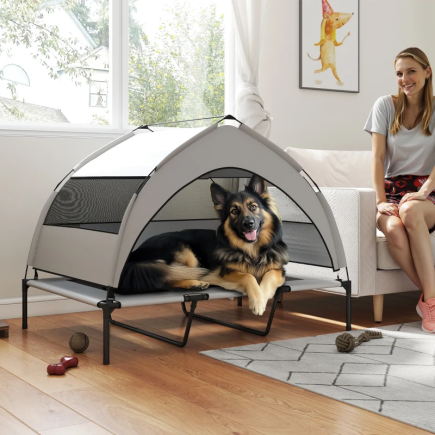

Keeping your dog’s kennel clean isn’t just about odor control, it’s essential for hygiene, comfort, and long-term health. A proper deep clean removes hidden waste, bacteria, fur buildup, dried urine, and dirt that daily cleaning often misses. This detailed guide walks you through a full deep cleaning routine from start to finish, using one consistent kennel throughout the process so you can visualize every step clearly.

This method works for indoor and outdoor kennels, whether made of wood, plastic, or metal. If done thoroughly, your kennel will stay fresher for longer, feel more comfortable for your dog, and prevent the buildup of harmful germs.
Before You Start: What You Will Need
Having everything ready in advance saves time and helps you clean without interruption.
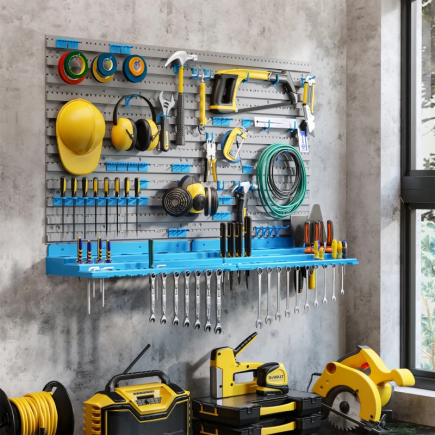
| Category | Item | Details / Purpose |
| Protective Gear | Rubber gloves | Protect hands during cleaning |
| Waste Handling | Garbage bags | Collect waste, debris, and disposable items |
| Waste Removal Tools | Scoop or scraper | Remove solid waste and dried debris |
| Scrubbing Tools | Hard-bristle scrub brushLong-handle brush (optional) | Deep scrubbing of walls, floors, and cornersReaches high or far surfaces easily |
| Cleaning Containers | Bucket | Holds water or cleaning solution |
| Rinsing Tools | Hose with spray nozzle | Rinse off dirt, cleaner, and disinfectant |
| Drying Tools | Microfibre clothsSqueegee (for large kennels) | Wipe surfaces for faster dryingPush excess water toward drain |
| Cleaning Agents | Pet-safe disinfectantNatural cleaning solutionBaking soda (optional)Vinegar/water spray (optional) | Kills bacteria and germsEco-friendly alternative cleanersOdour control and gentle scrubbingNatural deodorizing and disinfecting |
Step 1: Move Your Dog and Prepare the Area
Start by safely removing your dog from the kennel. Place them in a secure space where they can relax, such as a fenced area, a quiet room, or a temporary crate, away from water spray and cleaners.
Choose a well-ventilated area for cleaning, especially if you’re using disinfectants. If you’re working outdoors, daylight and fresh air make the job easier.
Step 2: Remove All Items From the Kennel
Empty the kennel completely. Take out bedding, toys, food bowls, water bowls, mats, crate pads, and any removable accessories. Set all items aside in a separate cleaning area.
This gives you full access to every corner and surface, ensuring no debris is hidden during the deep clean.
Step 3: Wash Bedding, Bowls, Toys, and Removable Accessories
Cleaning removable items separately prevents re-contamination.
Bedding
- Machine-wash on a hot cycle
- Use pet-friendly detergent
- Dry completely before returning
Bowls
- Wash with hot, soapy water
- Scrub edges where grime collects
- Rinse and air dry
Toys
- Machine-wash if safe
- Otherwise scrub by hand
- Rinse thoroughly and air dry
Mats & Trays
- Clean with soap and warm water
- Rinse well and let them dry fully
Step 4: Remove Solid Waste and Loose Debris
Use a scoop or scraper to remove solid waste, dried feces, clumped dirt, leftover food, and any stuck-on matter. Then sweep out loose fur, dust, and small debris from corners and edges. Removing dry waste before rinsing prevents clogged drains and makes scrubbing easier.
Step 5: Rinse the Kennel Interior
Using a hose with a spray nozzle, rinse the kennel from top to bottom. Focus on corners and seams where dirt accumulates. For stubborn patches, a second rinse helps loosen embedded debris.
Optional: For pest control, pour boiling water along the floor edges (if kennel material allows).
Step 6: Apply Your Cleaning Solution
Choose either a natural mix or a commercial pet-safe disinfectant:
Natural Options
- Baking soda: deodorizes and lifts grime
- Vinegar + water spray: cuts bacteria and neutralizes odors
Chemical Options
- Pet-safe disinfectant (foam or liquid)
- Enzyme cleaner for organic buildup
Apply cleaner evenly across all surfaces.
Step 7: Scrub Every Surface Thoroughly
Use a stiff-bristle brush to scrub ceilings (if reachable), walls, corners, edges, latches, wire panels, and the floor. This step removes dried urine, oils, dirt, and anything bonded to the surface. For larger kennels, a long-handle brush makes ceilings and back corners easier to reach.
Step 8: Allow Proper Disinfectant Contact Time
Let the disinfectant stay on the surface for the recommended duration, usually around 10 minutes. This contact time is crucial for killing bacteria, viruses, and fungi. Avoid rinsing too early or the disinfectant won’t work effectively.
Step 9: Rinse the Kennel Thoroughly
Use the hose again to remove all cleaner residue. Rinse from top to bottom to ensure no chemical traces remain. Clean water should run clear from the surfaces. For large outdoor kennels: rinse the walkways and surrounding run areas as well.
Step 10: Remove Excess Water
Drying begins by clearing out standing water:
- Use a squeegee to push water toward the drain
- Wipe down surfaces with microfibre cloths
- Keep the kennel open for ventilation
This prevents mold and musty smells from forming.
Step 11: Air Dry Completely
Allow the kennel to dry fully before placing items back inside. Airflow is essential, leave the door open, windows open (for indoor kennels), or let outdoor sunlight do the work. Moisture trapped inside causes mildew, so ensure every surface feels dry to the touch.
Step 12: Return Clean Items to the Kennel
Once the kennel is completely dry, bring back the bedding, toys, bowls, and mats. Make sure every item is fully dry, no damp spots, no trapped moisture. Arrange the interior neatly so your dog has a clean, fresh, comfortable space to return to.
Final Check Before Your Dog Returns
Do a quick check:
- No wet spots
- No cleaner smell
- No residue
- Bedding is dry
- Bowls are clean and in place
- Floor is completely dry
Once everything is set, your dog can safely return to a fresh, hygienic kennel.
How Often Should You Deep Clean the Kennel?
While daily spot-cleaning helps maintain freshness, a deep clean should be done:
- Once every 2–4 weeks for indoor kennels
- Once every 1–2 weeks for outdoor kennels
- Immediately after illness, accidents, or heavy use
A consistent schedule keeps bacteria under control and prevents buildup.
Deep cleaning a Dog Kennel is one of the most important parts of maintaining a healthy, comfortable living environment for your dog. With the right tools, a clear step-by-step approach, and a full rinse-scrub-disinfect cycle, you can restore the kennel to a fresh, hygienic state every time. Following this complete guide ensures your dog always has a clean space to rest, reducing the risk of bacteria, odours, and hidden debris. By sticking to a regular deep-cleaning routine, the kennel stays more inviting, cleaner for longer, and better for your dog’s overall well-being.
FAQs
1. What if my dog’s kennel still smells bad after a full deep clean?
Persistent odours usually come from trapped moisture or hidden organic residue. Re-check corners, seams, and the underside of mats or trays. Use baking soda or an enzyme cleaner to neutralize lingering smells, then ensure the kennel dries completely before use.
2. How do I clean dried urine stains that won’t scrub off?
Dried urine often bonds to porous surfaces. Apply an enzyme-based cleaner and let it sit for the required time to break down the residue. Scrub again with a stiff brush, rinse thoroughly, and repeat once more for stubborn patches.
3. What if Mould keeps returning even after I clean the kennel?
Mould comes back when areas stay damp. After cleaning, use a squeegee and microfibre cloth to remove all moisture, then let the kennel air dry fully with maximum ventilation. If mould persists, inspect for hidden leaks or trapped water under flooring trays.
4. Is it safe to deep clean a wooden kennel without damaging the wood?
Yes, as long as you avoid soaking the wood for too long and dry it fully after rinsing. Use mild cleaners, scrub gently, and always leave the door wide open to speed up drying. Sealing the wood occasionally helps prevent moisture problems.
5. What should I do if my dog is sensitive to cleaning products?
Choose natural cleaners like vinegar and baking soda. After cleaning, rinse extra thoroughly to remove all residue and odour. Let the kennel air out completely before placing bedding back inside to prevent irritation or allergy flare-ups.