










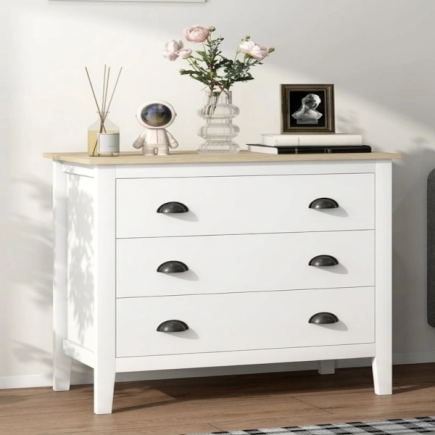
















A filing cabinet is one of those storage pieces that looks simple but needs thoughtful construction to work well long term. When drawers carry paperwork, weight distribution, alignment, and slide quality become far more important than appearance alone.
This guide explains how to make a filing cabinet with a clear, step-by-step process. Each stage includes context, practical detail, and decision guidance so you can build a cabinet that feels stable, slides smoothly, and fits your space properly.
Common Issues DIY Filing Cabinets Run Into
Most filing cabinet problems come from rushed planning or skipped alignment checks. Understanding these issues early helps you avoid rebuilding later.
- Drawers sticking or sagging under weight
- Cabinet frame going out of square
- File folders rubbing or not hanging evenly
- Uneven drawer spacing
- Slides wearing out prematurely
Each step below is designed to prevent these problems naturally.
Tools and Materials Required
Using proper materials improves durability and prevents warping, especially when the cabinet holds heavy documents.
Materials
- 3/4-inch plywood for cabinet structure
- 1/2-inch plywood for drawer boxes
- 1/4-inch plywood for drawer bottoms
- Full-extension drawer slides (18–22 inches)
- Pocket screws and wood screws
- Drawer pulls or handles
- File hanger rails
- Felt glides or leveling feet
Tools
- Table saw or circular saw
- Drill with pocket hole jig
- Measuring tape and carpenter’s square
- Clamps
- Screwdriver or impact driver
- Sandpaper or orbital sander
Steps to Make a Filing Cabinet
Following the steps in order keeps the cabinet square, the drawers aligned, and the final result functional for daily use.
Step 1: Plan the Cabinet Size and Drawer Layout
Proper planning determines whether your cabinet will actually function as a filing system or just look like one. File folders require specific clearance, and drawer slide length dictates cabinet depth.
What to do
- Decide how many drawers you need and their purpose
- Reserve the bottom drawer for hanging files
- Choose slide length first, then design cabinet depth
Tip: File drawers need extra vertical space to prevent folders from dragging.
Step 2: Cut the Cabinet Panels Accurately
Accurate panel cuts are critical because the cabinet frame must remain square to support smooth drawer movement. Even small cutting errors can cause alignment issues later.
What to do
- Cut two identical side panels, top, bottom, and base
- Keep opposing panels exactly the same size
- Dry-fit panels to check alignment before assembly
Tip: Trimming panels to final size after rough cuts improves precision.
Step 3: Assemble the Cabinet Frame
The cabinet frame supports the entire load of the drawers and contents. If it twists or flexes, drawer slides will fail prematurely.
What to do
- Drill pocket holes on inside edges only
- Attach sides to the bottom first, then add the top
- Check squareness before tightening fully
Tip: Measure diagonally corner-to-corner to confirm squareness.
Step 4: Install the Base or Toe Kick
The base stabilizes the cabinet and protects it from floor moisture or uneven surfaces. It also helps distribute weight evenly.
What to do
- Attach the base panel securely to the cabinet bottom
- Ensure it sits flat and level
- Reinforce connections if the cabinet feels flexible
Tip: A raised base improves durability on hard floors and carpet.
Step 5: Build the Drawer Boxes
Drawer boxes must support repeated movement and weight without loosening over time. Proper construction prevents sagging and racking.
What to do
- Cut drawer parts from 1/2-inch plywood
- Cut grooves for the drawer bottom panel
- Assemble sides and front, insert bottom, then attach back
Tip: Bottom panels captured in grooves last longer than screwed-on bottoms.
Step 6: Install Drawer Slides Inside the Cabinet
Drawer slide placement determines how smoothly drawers operate and how evenly they sit when closed.
What to do
- Mark slide positions using spacers or guides
- Keep slides level and parallel on both sides
- Secure lightly at first, then adjust
Tip: Misaligned slides are the most common cause of sticking drawers.
Step 7: Attach Drawer Slides to Drawer Boxes
Connecting slides to drawers requires patience and small adjustments. Rushing here often leads to binding or uneven motion.
What to do
- Pull slides fully open to expose mounting holes
- Attach the drawer box starting at the front with railing.
- Test movement before tightening fully
Tip: Smooth movement now prevents wear later.
Step 8: Insert Drawers and Adjust Spacing
Drawer spacing affects both usability and appearance. Even gaps help drawers open cleanly without rubbing.
What to do
- Use spacers to maintain consistent gaps
- Insert drawers one at a time
- Adjust slide positions if resistance is felt
Tip: Fix alignment issues immediately instead of forcing drawers.
Step 9: Attach Drawer Fronts and Handles
Drawer fronts give the cabinet its finished appearance, but correct alignment is just as important as looks. Even spacing ensures drawers open smoothly and don’t rub against each other during daily use.
What to do
- Start with the bottom drawer and work upward to keep spacing consistent.
- Use spacers or shims between drawers to maintain even gaps on all sides.
- Hold the drawer front in position and secure it from inside the drawer with screws.
- Check alignment before fully tightening so small adjustments are still possible.
Attach the handles
- Mark handles locations carefully using a template or measuring tape.
- Drill pilot holes to prevent splitting.
- Install handles only after all drawer fronts are aligned correctly.
Tip: Perfect drawer alignment comes first, handles should always be the final step.
Step 10: Convert a Drawer into a File Drawer
A file drawer carries more weight than a standard drawer and must support hanging folders without sagging. Correct rail placement ensures folders slide smoothly and the drawer remains stable over time.
What to do
- Measure the inside width of the drawer to confirm correct rail placement.
- Install the file hanger rails securely on both sides of the drawer, keeping them level and parallel.
- Ensure the rails sit at the correct height so file folders hang freely without touching the drawer bottom.
- Reinforce drawer slides if the drawer will hold a large volume of documents.
Check the fit
- Place a few hanging file folders into the drawer.
- Slide the drawer open and closed to confirm smooth movement.
- Adjust rail height if folders rub or feel tight.
Tip: File drawers carry more weight than regular drawers, so always test with real files before final use.
Finishing and Final Checks
Finishing protects surfaces and improves everyday usability.
What to do
- Sand edges and high-touch areas
- Apply paint or finish in thin layers
- Test drawers with real weight
Tip: Final adjustments now prevent daily frustration.
Making a Filing Cabinet at home is less about advanced skills and more about planning, alignment, and patience. When each step is done with intention, the result is a cabinet that feels solid, opens smoothly, and supports real-world use.
A well-built filing cabinet improves organization, protects documents, and fits your workspace far better than many store-bought options.
FAQs
While possible, it’s not ideal for daily use. Drawers without slides tend to stick and wear unevenly over time. Installing proper slides greatly improves smooth operation and durability.
Metal rails last longer under constant file weight. Wooden rails work but may wear faster with daily use. Choose metal if the drawer will be frequently opened and closed.
Install heavier files in the bottom drawer first. Add anti-tip hardware or wall anchors for safety. A wider base or toe kick also improves stability.