
















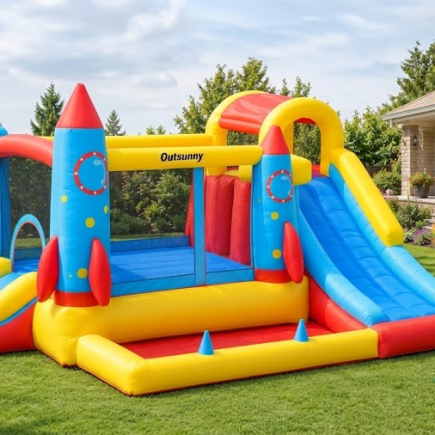
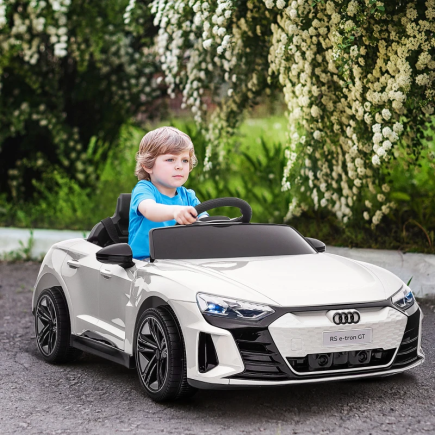

Ride-on toys bring excitement, confidence, and endless outdoor fun but they also bring size. Electric cars, quads, bikes, tractors, and go-karts aren’t small accessories. They’re furniture-sized items that need real planning. Without a smart system, they quickly block garages, clutter hallways, and overrun gardens.
The solution isn’t fewer toys. It’s smarter storage.This guide shows you how families successfully store ride-on toys in real homes,
1. Create “Parking Zones” Instead of Piles
Most storage problems begin when ride-on toys are treated like loose items. They get pushed into corners, stacked awkwardly, or shifted around every day. A better approach is to give each large toy its own parking zone, just like a real vehicle.
These zones become the toy’s home base and turn cleanup into a habit rather than a battle.
How to Set Up Parking Zones
Choose a wall in your garage, basement, or storage area. Mark individual spaces using rubber mats or tape one for each large ride-on.
- One space per electric car, quad, or go-kart
- Smaller toys share compact zones
- Leave a clear walkway through the area
- Keep doors, stairs, and exits unobstructed
Tip: Use simple color labels or icons so kids know exactly where each toy “parks” after play.
2. Use Vertical Space for Smaller Ride-Ons
Not every ride-on needs floor space. Bikes, scooters, balance bikes, push cars, and trikes store beautifully on walls. Vertical storage instantly multiplies usable space and keeps floors open.
Vertical Storage Ideas
- Heavy-duty hooks for bikes and scooters
- Narrow wall racks for trikes
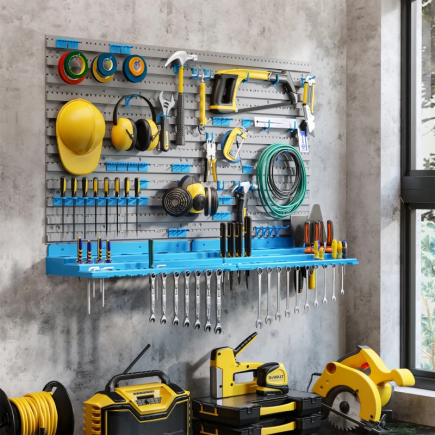
- Pegboards for helmets and remotes
- Foldable wall arms for balance bikes
Tip: Always use hooks rated for the toy’s weight electric bikes are heavier than they appear.
3. Store Electric Ride-On Toys the Safe Way
Electric ride-ons are durable, but their batteries are sensitive. Most “broken” toys fail in storage, not during play.
The battery is the heart of every electric ride-on. Storing it correctly protects your investment and prevents disappointment.
Battery Storage Rules
| Storage Period | Action |
| 1–2 weeks | Leave installed, store indoors |
| 1–2 months | Charge to 50–70%, disconnect |
| Seasonal | Remove battery, store indoors |
- Store between 10°C–20°C (50°F–68°F)
- Never store fully drained
- Never leave on charger long-term
- Recharge every 30–45 days in off-season
- Keep batteries off concrete floors
Unsafe Storage Locations for Electric Toys
- Open patios
- Damp sheds
- Unheated outdoor garages
- Direct sunlight zones
- Near sprinklers or snow piles
Tip: Even if the toy stays outside, always store the battery indoors.
4. Outdoor Storage That Actually Protects Ride-On Toys
Not every home has a garage or basement. Outdoor storage can work but only when toys are shielded from moisture, sunlight, and temperature swings.
Effective outdoor setups use:
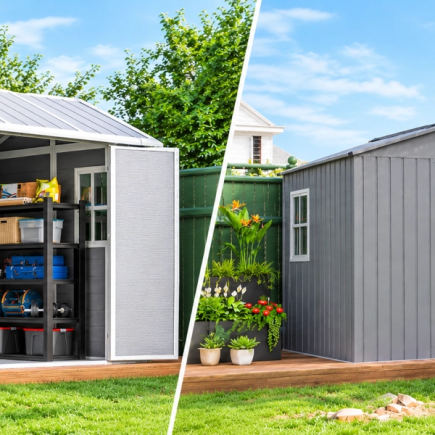
- Weather-sealed sheds
- Deck boxes with ventilation
- Covered patios with raised platforms
- Individual waterproof covers
Tip: Each large ride-on should have its own cover, even inside a shed. This prevents condensation, dust buildup, and surface damage.
5. Small-Space Storage for Apartments and Condos
Limited space doesn’t mean limited options. Compact homes benefit from mobile storage and multi-purpose zones.
Space-Saving Techniques
- Store large ride-ons on furniture dollies
- Slide toys under staircases
- Use hallway wall hooks for bikes
- Park toys along a single wall
Electric ride-ons can be rolled into closets or utility rooms when mounted on low-profile wheeled bases.
Hidden Storage Zones
- Under-stair cavities
- Laundry room corners
- Balcony deck boxes
- Entryway alcoves
These overlooked spaces often hold a full-size ride-on without disrupting daily life.
6. Garage Layouts That Don’t Block Daily Life
A garage should remain functional. Ride-on toys shouldn’t force sideways walking or block car doors.Efficient garages follow one rule:
Toys live on one side. Movement lives on the other.
Layout
- One wall reserved for ride-ons
- Floor parking bays for large toys
- Vertical storage for smaller ones
- A continuous walkway from door to exit
Wall Systems That Multiply Space
- Slat walls with adjustable hooks
- Pegboards for accessories
- Fold-down scooter racks
These systems grow with your collection and adapt as toys change.
7. Seasonal Storage Framework
Ride-on toys follow seasons. Storage should too.
Winter Storage Checklist
- Clean and dry every toy
- Remove electric batteries
- Store toys indoors or in sealed sheds
- Elevate from ground
- Cover individually
Spring Reactivation Routine
- Reinstall and charge batteries
- Inspect wheels and axles
- Tighten hardware
- Test electronics
- Light wipe-down
Summer Heat Protection
- Avoid direct sun storage
- Use breathable covers
- Store batteries in shaded areas
- Never leave toys sealed in extreme heat
8. Multi-Toy Homes: Staying Organised
When one ride-on becomes five, systems matter.
Simple Household Strategies
- Assign each child a color zone
- Rotate toys seasonally
- Keep small toys at kid height
- Store accessories near toys
Rotation keeps spaces manageable and toys exciting.
9. The No-Regret Storage Blueprint
A practical setup that works in most homes:
- Large electric toys: floor parking bays
- Small ride-ons: wall hooks or racks
- Batteries: indoor shelf at room temperature
- Helmets & remotes: pegboard near toys
- Covers: stored above toy zones
Park It Like a Pro
Ride-on Toys may be built for adventure, but they deserve a proper place to rest. With a smart system, your garage stays functional, your yard stays tidy, and your home feels open again.Storage doesn’t have to be a struggle. With the right setup, every toy has a home and every home has its space back.
FAQs
Use vertical storage for bikes, scooters, and trikes by installing heavy-duty hooks or wall racks. This frees up floor space and keeps toys organized and easily accessible. Pegboards can also store helmets and accessories for additional space-saving.
Assign a dedicated parking space for each toy to avoid clutter. Rotate toys to keep things fresh and engaging, and store helmets and accessories near the toys. Group similar-sized toys together for easier access and better organization.
Designate one side of the garage for ride-ons, keeping the other side clear for daily use. Use vertical storage, such as adjustable hooks or fold-down scooter racks, to maximize space. Keep a continuous walkway from door to exit for easy movement.