






















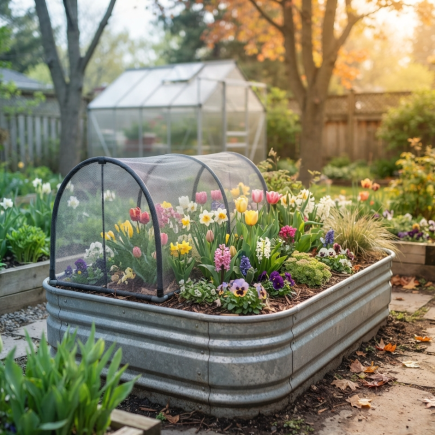









Raised garden bed depth is the vertical distance of soil available for root respiration; it determines the thermal mass of the bed and the frequency of the irrigation cycle. Selecting the right depth is crucial for the success of your garden, impacting everything from root development to moisture retention.

In this expert guide, we’ll walk you through the ideal depth for 25+ vegetables, explain the science behind raised bed depth, and provide practical tips to optimize your setup.
What Is the Ideal Depth for a Raised Garden Bed?
Here’s a comprehensive breakdown of the ideal raised bed depth for over 25 vegetables:
| Vegetable Type | Min. Depth | Ideal Depth | Examples |
| Shallow-rooted | 6″ | 12″ | Lettuce, Spinach, Herbs, Radishes |
| Medium-rooted | 12″ | 18″ | Peppers, Broccoli, Beans, Kale |
| Deep-rooted | 18″ | 24″+ | Tomatoes, Potatoes, Carrots, Squash |
| Root Vegetables | 18″ | 24″ | Beets, Turnips, Parsnips |
| Climbing Vegetables | 12″ | 18″ | Peas, Cucumbers, Beans |
| Perennial Vegetables | 18″ | 24″ | Asparagus, Artichokes |
| Large Squash | 18″ | 24″ | Pumpkins, Zucchini |
| Tubers | 18″ | 24″ | Sweet Potatoes, Yams |
For a mix of shallow and deep plants, aim for a bed depth of 18 inches to meet the needs of both types.
Why Does Depth Matter Beyond Root Growth?
Raised bed depth isn’t just about accommodating roots; it also influences water retention, temperature regulation, and soil aeration. Understanding these factors will help you choose the perfect depth for your plants.
How Does Raised Bed Depth Affect Water Retention and Drainage?
- Shallow beds (6″-12″) dry out quickly, requiring frequent watering, but provide excellent drainage for shallow-rooted plants.
- Deeper beds (18″-36″) retain moisture for longer, providing a better environment for plants requiring consistent hydration, and reducing the risk of waterlogging.
Deeper beds offer better drainage control, ensuring that excess water flows away from the roots while retaining just the right amount of moisture.
How Does Depth Impact Temperature Regulation?
Deeper beds act as a natural buffer against extreme temperatures. In summer, they keep the soil cooler, preventing plant roots from overheating. In winter, they retain heat better, offering a more stable environment for plants.
How Does Depth Affect Soil Compaction and Aeration?
Soil in raised beds can become compacted, especially in shallower beds. A deeper bed helps maintain better soil aeration, allowing for healthy root development and preventing compaction over time.
Can You Put a Raised Bed on Concrete?
Placing a raised bed on concrete requires extra consideration due to the lack of drainage. When building a raised bed on a solid surface, the depth of the bed must compensate for the inability of roots to grow down into the ground.
Tip: If you’re placing a raised bed on concrete, increase the depth by 20% to ensure proper root growth and drainage. For example, if you usually build a 12″ deep bed on soil, increase it to 15″ on concrete.
What Is the Ideal Ergonomic Depth for Raised Beds?
For seniors or those with mobility issues, raised bed height isn’t just about soil depth it’s also about comfort. The right height allows gardeners to tend to their plants without bending over.
A raised bed height of 24”-30” allows for gardening without strain. Even if the plants only need 12 inches of soil, the added height improves comfort by reducing the need to bend down, making gardening more accessible and pain-free.
How to Fill Your Raised Garden Bed for Optimal Growth
Once you’ve decided on the ideal depth, the next step is filling your raised bed with the appropriate soil mix:
- Layer the Bottom: Start with organic matter like compost, leaves, or straw to improve drainage and prevent soil compaction.
- Soil Mix: A good mix consists of topsoil, compost, and perlite or sand for drainage. Here’s a common ratio:
- 60% topsoil
- 30% compost
- 10% perlite or sand
- Allow for Settling: Water the soil well and allow it to settle. Add more soil as needed after a few weeks to maintain the desired height.
For deeper beds (18”+), regularly add organic material to replenish nutrients and prevent the soil from becoming depleted.
Maximizing Water Retention in Your Raised Garden Bed
Efficient watering is essential for plant health, and raised beds offer several ways to optimize water retention:
- Drip Irrigation: A drip irrigation system delivers water directly to the root zone, reducing evaporation and promoting deep root growth.
- Soaker Hoses: Soaker hoses are ideal for larger beds and ensure an even distribution of water.
- Mulching: A 2″-3″ layer of organic mulch helps retain moisture, reduces the need for frequent watering, and regulates soil temperature.
Common Mistakes to Avoid When Building Raised Garden Beds
When you are building a raised garden bed for different depths you need to focus on following things to avoid
1. Choosing the Wrong Depth
Choosing a depth that doesn’t suit your plants can stunt their growth. Always tailor the depth to the root systems of the plants you plan to grow to ensure they have enough space for healthy development.
2. Ignoring Drainage
Without proper drainage, even the deepest raised beds can suffer from waterlogging. Ensure your bed has a way to let excess water escape, especially if placed on a non-permeable surface like concrete.
3. Overbuilding
Don’t overbuild your raised bed. For most vegetables, a depth of 18 inches is sufficient. Going deeper than necessary can be a waste of materials and soil, especially if it’s not needed for your plant selection.
Building Your Perfect Raised Garden Bed
Now that you know how deep your raised garden bed should be, it’s time to put your knowledge into action. Whether you’re growing shallow greens or deep-rooted vegetables, selecting the right depth is essential for healthy, thriving plants.
Ready to start building your raised garden bed? Explore our selection of Raised Garden Bed Kits designed to meet various plant depths and gardening needs. Happy gardening!
FAQs
1. How deep should a raised garden bed be for herbs?
For herbs, a depth of 12-18 inches is ideal. Most herbs have shallow root systems, but some, like rosemary and lavender, benefit from deeper beds for better stability and air circulation around the roots.
2. How deep should a raised garden bed be for garlic?
Garlic thrives in raised beds with a depth of 8-12 inches. This depth provides enough room for garlic bulbs to form while ensuring good drainage, which is crucial for preventing rot.
3. How can I improve drainage in my raised garden bed?
To enhance drainage, use a soil mix with 60% topsoil, 30% compost, and 10% perlite or sand. Also, ensure that the bed has drainage holes or is raised off the ground to avoid waterlogging. This promotes healthy root development.