




















Most flat-pack furniture can be assembled in 15 to 60 minutes using a screwdriver and the included hex key. Read the instructions first, organize the hardware, build the frame before adding accessories, keep screws loose until everything is aligned, then tighten them fully and install any anti-tip strap.
Flat-pack furniture doesn’t have to be frustrating. With a little preparation and the right assembly order, you can build everything from a chair to a wardrobe with confidence. This guide covers the essential tools, how to read the instructions, and the step-by-step process for a smooth assembly.
What Do You Need to Assemble Flat-Pack Furniture?
Most furniture kits include everything needed for assembly, with only a few basic tools required.
Essential Tools
- Screwdriver: The primary tool for most flat-pack furniture.
- The included hex key: Usually included with the furniture kit.
- Rubber mallet: Helps tap dowels and panels into place without causing damage.
- Power drill (optional): Use only on a low torque setting to avoid stripping screws or damaging panels.
- Soft work surface: A blanket, rug, or flattened cardboard box protects both the furniture and your floor.
In short: A screwdriver,hex key, and a clean workspace are enough for most flat-pack furniture.
How to Read a Flat-Pack Assembly Manual
Taking a few minutes to understand the instructions can prevent most assembly mistakes.
Before You Start
- Check the parts list: Make sure every panel and hardware piece is included.
- Identify the hardware: Match screws, bolts, dowels, and cam locks to the diagrams.
- Check panel orientation: Follow arrows or markings to avoid installing panels backwards.
- Watch for two-person steps: Large or heavy sections are safer to assemble with help.
In short: Reading the manual before you begin saves time and avoids common errors.
How to Assemble Flat-Pack Furniture Step by Step
Following a consistent assembly order makes even large furniture much easier to build.
Step 1: Read the Instructions
Read the entire instruction manual before you begin. Understanding the full assembly process first helps you avoid mistakes and makes each step easier to follow.
Step 2: Unpack and Organize
Unpack all panels and hardware, then sort screws, bolts, dowels, and other fittings into separate groups. Keeping everything organized saves time during assembly.
Step 3: Identify Each Panel
Separate and identify the left, right, top, and bottom panels before building. Many pieces look similar, so checking them now helps prevent installation errors later.
Step 4: Assemble the Main Frame
Build the main frame or base first, as it provides the structure for the entire piece. Leave drawers, shelves, doors, handles, and cushions until the frame is complete.
Step 5: Leave Screws Slightly Loose
Install all screws and bolts loosely during assembly instead of tightening them immediately. Once every part is correctly aligned, go back and tighten all fasteners securely.
Step 6: Attach the Finishing Parts
With the frame fully assembled, install the remaining components such as doors, drawers, shelves, handles, back panels, or seat cushions according to the instructions.
Step 7: Perform a Final Check
Inspect the finished furniture to make sure every screw and bolt is fully tightened, all moving parts operate smoothly, and the unit sits level without wobbling. If an anti-tip strap is included, secure it to the wall before using the furniture.
Assembly Difficulty by Furniture Type
Not all flat-pack furniture is equal. The table below gives a realistic guide to time, difficulty, and whether you will want a second pair of hands. Each example links to a piece from Aosom Canada so you can preview the product details before you buy.
| Difficulty | Furniture type | Typical time | Helper needed | Products Available at Aosom Canada |
| Easy | Dining chairs, shoe racks, stools | About 15 min | No | Dining Chairs |
| Easy to Medium | Shoe cabinets, storage cabinets | About 25 to 40 min | Optional | Shoe Storage |
| Easy to Medium | Bookshelves, open shelving | About 20 to 30 min | Optional | HOMCOM 4-Tier Open Bookshelf |
| Medium | Computer desks, TV stands | About 30 to 45 min | Optional | HOMCOM Compact Computer Desk |
| Advanced | Bed frames, wardrobes | About 60 min | Yes | HOMCOM Metal Platform Bed Frame |
Start With an Easy Win
If flat-pack furniture makes you nervous, begin with a low-part-count piece to build confidence. A set of Dining Chairs is ideal, since most attach four legs and a backrest with a single tool in around 15 minutes and there is no drawer or door to align. An Open Bookshelf is another gentle starter that is mostly flat panels and shelves.
Working Up to Bigger Builds
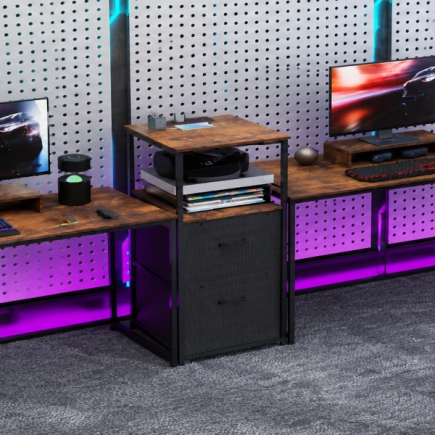
Once the basics feel easy, a medium build like a Computer Desk With Storage Shelves is the natural next step. Desks add reversible panels and a few more connectors, but the same frame-first method applies.
The build most people dread, a bed frame, is really just a large and straightforward frame. A modern platform design such as the HOMCOM bed frame with LED lights and charging station arrives with labelled parts and the tools you need, and it typically goes together in about an hour. The one rule for beds is to attach the slats and side rails loosely, square the frame, then tighten. Always have a helper on hand for flipping or lifting.
How to Fix Common Assembly Problems
If something does not fit, stop and check before forcing it. Most issues have a simple cause and a quick fix, as the table shows.
| Problem | Likely cause | Quick fix |
| The final panel will not line up | Earlier screws were tightened too soon | Loosen the nearby screws, square the piece, then retighten |
| The frame wobbles or rocks | Bolts are uneven or a leg is loose | Tighten every bolt in a cross pattern and adjust the levelling feet |
| A screw will not bite | Wrong screw or a stripped hole | Match the screw to the diagram; for a stripped hole, add a wood glue and toothpick fix |
| Drawers stick or sit crooked | Runners fitted at different heights | Recheck both runners against the diagram and level them before reinserting |
| Leftover parts after finishing | Missed step or included spares | Recheck the manual; if a step was skipped, backtrack rather than leave it loose |
How to Keep Your Furniture Sturdy After Assembly
Good assembly is only half the job. A few habits keep flat-pack furniture solid and safe for years.
Fit the anti-tip strap: Bookcases, shoe cabinets, and tall storage units should be anchored to the wall, especially in homes with children or pets.
Re-tighten after a few weeks: New furniture settles as it is used. A quick check of every bolt after the first month prevents wobble.
Respect the weight limits: Load shelves and drawers within their stated capacity so joints and runners are not overstressed.
Keep it level: Use the adjustable feet to stop rocking on uneven floors, which is a common cause of loosened joints.
Flat-Pack Assembly Checklist
Use this simple checklist to stay organized before, during, and after assembling your furniture.
Before You Start
✓ Clear a spacious, soft work area.
✓ Read the instructions and check all parts.
✓ Sort all hardware into separate groups.
During Assembly
✓ Build the main frame first.
✓ Leave screws slightly loose until aligned.
✓ Check panel orientation at each step.
✓ Install drawers, doors, and shelves last.
After Assembly
✓ Tighten all screws and bolts.
✓ Attach the anti-tip strap (if included).
✓ Ensure the furniture is level and stable.
✓ Keep the instruction manual for future use.
Common Flat-Pack Mistakes to Avoid
Avoiding a few common mistakes can save time, prevent damage, and make the assembly process much smoother.
- Skipping the manual: Read the instructions before starting to avoid incorrect assembly.
- Over-tightening screws: Tighten screws firmly, but avoid excessive force that can damage the panels.
- Tightening too early: Leave screws slightly loose until everything is aligned, then tighten them at the end.
- Working on a hard surface: Assemble furniture on a blanket, rug, or cardboard to protect both the furniture and the floor.
- Forcing parts together: If something doesn’t fit, stop and check the instructions instead of applying force.
- Misplacing hardware: Keep all screws and fittings organized to avoid losing important pieces.
Pro Tips for a Faster, Cleaner Build
A few simple habits can make flat-pack assembly quicker, easier, and far less stressful.
- Take photos of the instruction manual so you can zoom in on diagrams when needed.
- Ask someone to help when assembling large or heavy furniture like wardrobes or bed frames.
- Keep the packaging until the furniture is fully assembled in case you need to return or replace a part.
- Assemble the furniture in the room where it will be used to avoid moving large, finished pieces through narrow doorways.
Is Flat-Pack Furniture Durable?
Yes, flat-pack furniture can be very durable when assembled correctly. Properly aligned joints, securely tightened hardware, and following the recommended weight limits all help improve stability and lifespan.
For the best long-term performance, periodically check and tighten any loose screws, secure tall furniture with the included anti-tip straps, and avoid placing more weight on the furniture than the manufacturer recommends. With proper assembly and regular maintenance, quality flat-pack furniture can remain sturdy and reliable for many years. Explore Aosom Canada for more variety of all types of furniture.
FAQs
Most items take 15 to 60 minutes. Small pieces like dining chairs and shoe racks take around 15 minutes, desks and cabinets take 30 to 45 minutes, and bed frames or wardrobes are closer to an hour.
Often yes for the assembly itself, but a second person makes lifting, flipping, and aligning the frame much safer and faster. For large or heavy pieces, a helper is strongly recommended.
Usually a panel is flipped or installed out of sequence. Keep all screws loose until the whole section is in place, then wiggle it square before the final tighten.
For tall or top-heavy pieces such as bookcases, shoe cabinets, and wardrobes, yes. Anchoring prevents tipping and is strongly advised in homes with children or pets. Most units include the strap or bracket needed.
Usually, though repeated disassembly can loosen the pre-drilled holes over time. If you move often, tighten gently on reassembly and consider a wood glue and toothpick fix for any hole that no longer grips.