







Learning to ride a dirt bike as a kid should feel exciting, not overwhelming. The key to a smooth start is not speed or advanced terrain, but control, comfort, and confidence built in the right order. When kids feel stable on the bike, everything else braking, turning, balance starts to click naturally.
This guide focuses only on real riding steps. It’s written for parents and kids who want clear direction, realistic expectations, and a learning process that actually works. Each step builds on the previous one, helping young riders progress safely and confidently without unnecessary pressure.
Step 1: Set the Bike Up So the Child Feels in Control
A properly fitted bike makes learning feel natural instead of stressful. If a child struggles to balance the bike while standing still, riding will feel intimidating from the first moment. The goal is simple: the bike should feel stable and manageable before the engine is even started.
A good fit allows the child to place both feet on the ground at a stop, reach the handlebars with relaxed arms, and pull the brake levers without stretching. The bike should also feel light enough to hold upright without wobbling.
Bike Fit Reference for Kids
| Child Height | Recommended Seat Height | What to Check Before Riding |
| 3’6″–4’0″ | 18–22 inches | Both feet touch ground easily |
| 4’0″–4’6″ | 22–25 inches | Relaxed arms, easy brake reach |
| 4’6″–5’0″ | 25–28 inches | Stable stop without tipping |
| 5’0″+ | 28–31 inches | Confident starts and balance |
Tip: If a child has to lean the bike sharply just to stop, the bike is too tall for confident learning.
Step 2: Wear Proper Riding Gear Before Any Practice
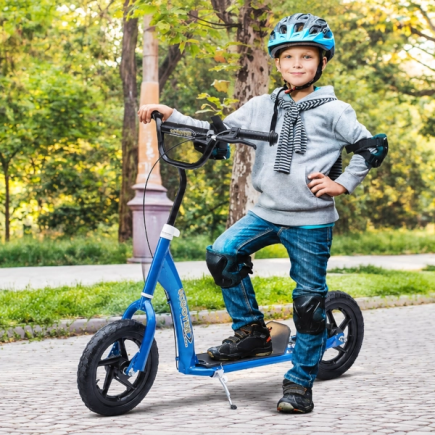
Falling is part of learning, even at slow speeds. Proper riding gear turns minor falls into learning moments instead of painful setbacks that reduce confidence. When kids trust their gear, they focus on riding rather than worrying about getting hurt.
All gear should fit snugly and stay in place while moving. Oversized gear shifts during a fall and reduces protection.
Essential riding gear includes:
- Full-face helmet
- Goggles for dust and wind
- Gloves for grip and hand protection
- Riding boots covering the ankle and shin
- Chest or upper-body protector
- Long riding pants and jersey
Tip: Avoid buying oversized gear “to grow into.” Comfort and proper protection matter more than longevity.
Step 3: Learn the Controls Before the Bike Moves
Kids should never be discovering controls while the bike is rolling. Familiarity removes panic and helps them react calmly if something feels unexpected.
Before starting the engine, seat the child on the bike and walk through each control slowly. Let them touch the throttle, brakes, and any clutch or gear shifter several times so the layout feels familiar.
Basic control layout:
- Throttle: right handle
- Front brake: right hand lever
- Rear brake: right foot pedal
- Clutch (if present): left hand
- Gear shifter: left foot
Tip: Two minutes of control practice while stationary prevents many beginner mistakes later.
Step 4: Using Training Wheels for First-Time Riders
For younger kids or complete beginners, Dirt Bike with Training Wheels can make the first riding experience calmer and more controlled. They help prevent tipping while allowing children to focus on basic skills like throttle control, braking, and steering without feeling nervous.
When Training Wheels Are Helpful
- First-time riders with no balance experience
- Younger children who hesitate to stop or start
- Early throttle and braking practice
Tip: Once a child can start, ride straight, and stop calmly without relying on the wheels, they should be removed so balance skills can develop naturally.
Step 5: Use the Correct Riding Position from the Start
Most beginner issues come from posture, not lack of ability. Correct body position makes the bike easier to control and reduces sudden throttle or balance problems.
The child should keep their eyes up and looking forward, elbows slightly bent and raised, knees gently gripping the bike, feet centred on the pegs, and the upper body leaning slightly forward.
Look for these signs:
- Relaxed arms, not stiff
- Head up, eyes forward
- Balanced posture at low speed
Note: A stiff, upright posture often leads to jerky throttle and poor braking control.
Step 6: Choose a Simple Practice Area
Early riding should happen in a place where the bike behaves predictably. Flat, open areas allow kids to focus on learning without distractions or sudden changes in terrain.
Best beginner surfaces include:
- Flat dirt
- Packed soil
- Short grass
- Open fields
Avoid sand, slopes, deep ruts, or tracks until basic control feels natural.
Step 7: Start with the Go-and-Stop Drill
This is one of the most effective beginner exercises because it teaches throttle control, braking, and balance together without overwhelming the rider.
Have the child roll forward a short distance, brake smoothly, stop completely, and put one foot down. Repeat this sequence until stopping feels calm and controlled.
Tip: Smooth stopping is more important than riding far at this stage.
Step 8: Build Smooth Throttle Control
Throttle mistakes usually happen when kids feel unstable and react too quickly. Short, controlled movements build confidence far faster than long rides.Keep riding distances short and focus on smooth throttle roll-on rather than speed. Encourage steady wrist movement so acceleration feels predictable.
Tip: Tell kids to think “smooth hands” instead of “go faster.”
Step 9: Learn Proper Braking Technique
Braking should be mastered before speed increases or turning practice begins. This builds trust in the bike and reduces fear.Teach the child to apply the rear brake gently first, then add the front brake smoothly while staying in a straight line. Sudden grabbing of either brake should be avoided.
Note: Straight-line braking should be consistent before moving on to turns.
Step 10: Introduce Turning at Low Speed
Turning changes balance and can feel uncomfortable for beginners. Keeping turns wide and slow helps kids understand how the bike responds.Encourage the child to look through the turn, lean the bike slightly rather than the body, and maintain light throttle. Wide circles are better than tight turns at this stage.
Step 11: Sitting vs Standing Riding
Sitting riding should come first because it offers more stability at low speeds. Standing riding can be introduced later for bumps and uneven ground.When standing, knees should be bent, weight centred over the foot pegs, and hands relaxed on the handlebars. Standing should feel balanced, not tense.
Step 12: Learning to Shift Gears (If Applicable)
If the bike uses gears, keep instructions simple and repetitive to avoid frustration.
Basic shifting sequence:
- Pull the clutch fully
- Shift the gear
- Release the clutch slowly
- Add light throttle
Tip: Practise one gear at a time until it feels natural.
Step 13: Teach Kids How to Fall Safely
Falling is unavoidable, but injuries are not. Teaching kids how to fall properly removes fear and prevents instinctive reactions that cause harm, such as stiff arms or trying to hold the bike up.
This lesson builds long-term confidence.
Safe Falling Basics
- Let go of the handlebars
- Avoid stiff arms
- Trust the protective gear
Step 14: Beginner Jump Practice (Only When Ready)
Jumping is exciting, but it should always come after solid control skills. Attempting jumps without confident braking and balance often leads to hard landings and loss of confidence.
Start small and progress slowly.
Jumping Guidelines
- Small bumps only
- Smooth, steady speed
- Straight approach and landing
Note: If stopping smoothly isn’t consistent, jumping should wait.
Step 15: Keep Practice Sessions Short and Positive
Kids learn best when they are focused and enjoying the experience. Long sessions cause fatigue, mistakes, and frustration, which slows progress.
Short, consistent practice builds skills faster.
Ideal Practice Rhythm
- 15–25 minutes per session
- 2–3 sessions per week
Stop while the child still wants more.
Teach Basic Bike Care Early
Simple maintenance builds responsibility and awareness, helping kids respect both the bike and the sport.
After-ride basics include:
- Cleaning visible dirt
- Checking brakes
- Looking for loose parts
- Storing gear properly
Beginner Skill Progression Overview
| Learning Stage | Main Focus | Ready to Move On When |
| First rides | Go-and-stop control | Stops are smooth and calm |
| Early practice | Throttle and braking | Steady speed, no panic |
| Basic handling | Turning at low speed | Wide turns feel controlled |
| Intermediate | Standing riding | Balanced posture over bumps |
| Advanced basics | Small jumps | Confident landings |
Tip: Skipping stages often leads to fear or bad habits later.
The Helmet-On Smile Wrap-Up
Learning to ride a Dirt Bike is about building confidence step by step. When kids feel comfortable on the bike and progress at their own pace, skills develop naturally and riding stays fun.
Riding should always feel like an adventure, not a challenge to overcome. With the right bike and a steady learning approach, kids gain confidence naturally and enjoy every moment of their progress.
FAQs
Pause riding immediately and let them reset emotionally. Reassure them that falling is normal and their gear did its job. Restart with an easier drill they already feel confident doing.
Only progress once flat-ground control feels relaxed and repeatable. If braking, turning, and balance stay consistent, mild terrain changes are fine.Rushing surfaces too early often causes fear and bad habits.
End sessions before fatigue or frustration sets in,short, positive rides build excitement instead of pressure. Stopping while they still want more keeps motivation high for next time.