























Clutter has a way of creeping up on you. A few stray items on the counter, a pile by the door, a drawer that will not quite close and suddenly the whole room feels busy. The right storage cabinet quietly fixes all of that. It gives everything a home, clears your surfaces, and, when you choose well, looks like a deliberate piece of furniture rather than a place to hide the mess.
The tricky part is that the “storage cabinet” covers a lot of ground, from slim shoe cupboards by the front door to tall pantry units in the kitchen and wide dressers in the bedroom. This guide keeps things simple. We will walk through what to think about, room by room, so you can match the right storage cabinet to the space you are trying to tidy.
1. First Things First: Measure Your Space
Before anything else, grab a tape measure. One of the most common storage mistakes is choosing a cabinet that simply does not fit, whether it is too tall, too deep, or too wide for the available space.
- Measure the width, height, and depth of the area where the cabinet will go.
- Leave enough clearance for doors and drawers to open fully without obstruction.
- Check that the cabinet can fit through doorways and around corners during delivery.
- Take note of nearby outlets, vents, or switches that should remain accessible.
Quick Tip: Use masking tape to mark the cabinet’s footprint on the floor before buying. Seeing the real size in the room helps avoid guesswork and returns.
2. Pick the Right Cabinet for the Right Room
Different rooms place different demands on a cabinet. Matching the design to the space is the fastest way to choose correctly.
Living Room
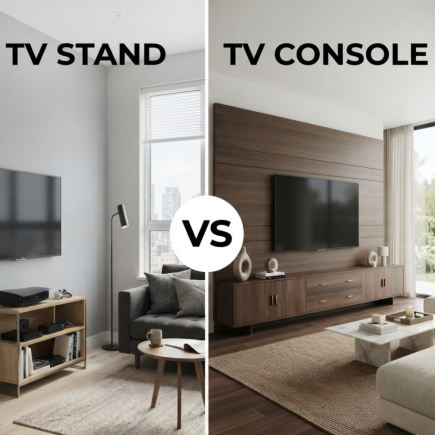
- Sideboards and accent cabinets help hide clutter while offering a display or media surface.
- Barn-door and glass-door styles add character while keeping items neatly stored.
Kitchen and dining
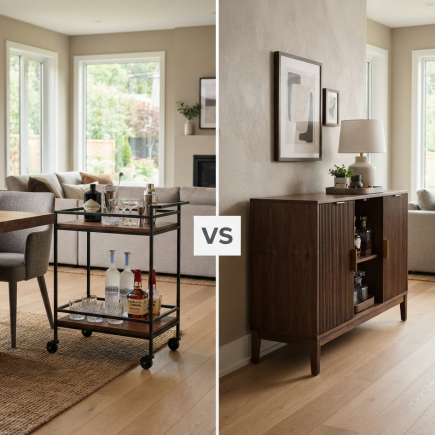
Buffet sideboards and tall Pantry Cabinets handle dishes, dry goods, and small appliances, with adjustable shelves to fit it all in.
Bedroom
A chest of drawers or wide dresser keeps folded clothes sorted and out of sight; browse Bedroom Furniture for matching pieces.
Entryway and home office
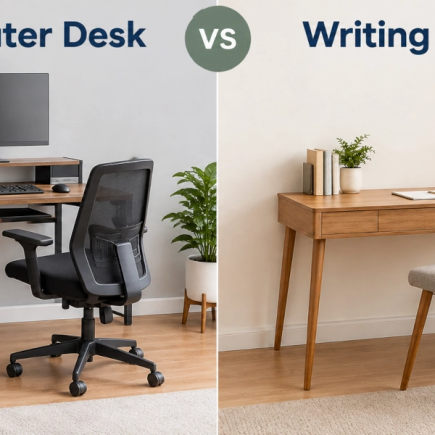
A slim Shoe Cabinet keeps the hallway clear, while a filing or rolling cabinet keeps a Home Office organized at the desk.
3. Match the Layout to What You’re Storing
Once you know the room, think about what will actually go inside the cabinet. Drawers, doors, and shelves each serve different purposes, and most cabinets combine them.
- Drawers are best for small, loose items like clothes, cutlery, stationery, and everyday essentials.
- Doors with internal shelves work well for bulkier items you want hidden, such as dishes or supplies.
- Adjustable shelves offer flexibility for both tall and short items as your needs change.
- Open shelving or glass doors are ideal for items you want to display.
Quick Tip: Count how many drawers and shelves you actually need before shopping. Many stores, including Aosom, let you filter by layout, making it easier to find the right fit quickly.
4. Look at What It’s Made of
The material determines how a cabinet looks, how durable it is, and how much weight it can handle. Each option has its own strengths.
- Solid wood and oak finishes feel sturdy and premium, ideal for long-term statement pieces.
- MDF and particleboard are lightweight and budget-friendly, often with smooth painted finishes.
- Metal frames and fabric-bin storage are flexible, lightweight, and easy to move.
- Always check load capacity and joint quality for anything expected to hold heavy items.
Quick Tip: Soft-close hinges, metal runners, and adjustable feet may seem small, but they significantly improve everyday usability.
5. Choose a Style You’ll Still Love Later
A cabinet is a major visual element, so it should complement your space rather than clash with it. Choosing a timeless style helps avoid quick redesign regrets.
- Modern and Scandinavian styles focus on clean lines and minimal design.
- Farmhouse and rustic styles add warmth with wood textures and classic detailing.
- Neutral colours like white, black, grey, and natural oak adapt easily over time.
- Bold colours or glass fronts work best as accent pieces in calmer rooms.
Quick Tip: Match the cabinet tone to something already in your room, such as flooring or existing furniture, for a more cohesive look.
6. Don’t Forget the Practical Details
A few final checks can make the difference between a cabinet that works well and one that becomes inconvenient.
- Lockable doors add security for valuables, medicines, or child-safe storage.
- Anti-tip hardware is essential for tall units, especially in homes with children.
- Easy assembly saves time, as most cabinets can be set up in a couple of hours with included instructions.
- Wheels or casters make repositioning and cleaning much easier.
Quick Tip: If children are in the home, always anchor tall cabinets to the wall and store heavier items in lower sections to improve stability.
Cabinet by Room
Short on time? This table pairs each room with the cabinet that usually fits it best.
| Room | Cabinet to Reach For | Why It Fits |
| Living room storage cabinet | Sideboard or accent cabinet | Hides clutter behind doors and works as a media or display surface. |
| Kitchen storage cabinet | Buffet or tall pantry cabinet | Adjustable shelves swallow dishes, dry goods, and small appliances. |
| Bedroom storage cabinet | Chest of drawers or dresser | Folded clothes stay sorted and out of sight in deep drawers. |
| Entryway Ottoman | Shoe cabinet or narrow unit | Slim depth keeps shoes and keys tidy without blocking the path. |
| Home office storage cabinet | Filing or rolling cabinet | Keeps documents, supplies, and a printer organized at the desk. |
Quick Tip: Use this as a starting point, then filter by size, drawers, shelves, and style to narrow down to the exact piece for your space.
Your Storage Solution Starts Here
Choosing a storage cabinet really comes down to a few friendly questions: where will it go, what is going inside, what should it be made of, and how should it look. Measure first, match the type to the room and the contents, pick a material and style you will still love next year, and check the practical details. Do that and you end up with a piece that clears the clutter and quietly pulls the room together.
Explore all Storage Options at Aosom Canada
FAQs
Start with a tape measure. Note the width, height, and depth of the space, and leave room for doors and drawers to open fully. Then check the cabinet can fit through your doorways and hallways on the way in.
It depends on the job. Solid wood and oak finishes feel warm and sturdy for statement pieces, MDF and particleboard offer clean painted looks at a friendly price, and metal or fabric-bin units are light and easy to move.
Most are designed to be straightforward. Cabinets here typically arrive with the hardware and instructions you need and go together in a couple of hours with basic tools. If you would rather keep it simple, look for pieces with fewer parts or pre-assembled drawers.
Go narrow and tall to use vertical space, and pick slim-depth designs for hallways and entryways. Pieces that do double duty, a shoe cabinet with a display top, or a storage ottoman that adds a seat are especially handy when floor space is tight.
Often, yes. Many sideboards, dressers, and accent cabinets are versatile enough to move from the living room to the bedroom or entryway as your needs change. Choosing a neutral finish and a flexible drawer-and-shelf layout makes a cabinet easy to repurpose down the line.