

















You bought the bins, you did a big clear-out, and somehow your home still feels cramped. If that sounds familiar, the problem is usually not how much you own. It is how your space is set up. Most homes have far more storage potential than they use, and a handful of small mistakes quietly waste it.
Professional organizers see the same errors again and again, and the good news is that every one has a simple fix. Below are the ten most common home organization mistakes that waste space, why they happen, and exactly how to reclaim the room you already have. A few smart Storage and Organization solutions are all it takes.
1. Ignoring Vertical Space
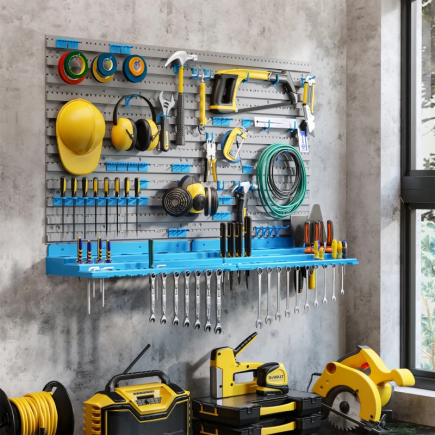
One of the biggest home organization mistakes is overlooking vertical storage. Many people focus only on floors, cabinets, and countertops, while valuable wall space remains unused. Making use of vertical storage helps maximize space, reduce clutter, and create a more organized home without increasing your room’s footprint.
- Add tall shelving units or bookcases that use the full height of the wall.
- Install floating shelves above desks, sofas, and dressers.
- Use the space above cabinets, appliances, and doorways for items you use less often.
- Follow the two-thirds rule on open shelves: fill about two-thirds
Wall-mounted Shelves And Bookcases are the fastest way to turn empty walls into working storage.
Tip: The higher you store, the less clutter sits at eye level, which is where a room reads as messy or tidy. Push rarely used items up and out of your sightline.
2. Buying Storage Bins Before Decluttering
One of the most common home organization mistakes is buying storage bins before decluttering. While containers can make a space look organized, they often end up storing items you no longer need.
- Sort your belongings into keep, donate, and discard piles before buying storage.
- Measure shelves, drawers, and cabinets to ensure containers fit properly.
- Buy only the number and sizes of bins you actually need.
- Remove donation items promptly so they don’t find their way back into your home.
Tip: Too many storage bins can create unnecessary clutter. Using fewer, well-sized containers keeps your home more organized and space-efficient.
3. Wasting the Space Under Your Bed
The space under your bed is one of the easiest places to add hidden storage without taking up extra room. Instead of leaving it empty, use it to store bulky or seasonal items that don’t need to be accessed every day, helping free up valuable closet and cabinet space.
- Use low-profile storage containers that slide in and out easily.
- Store seasonal clothing, extra bedding, or shoes you aren’t currently using.
- Label each container so you can quickly find what you need.
- Use bed risers if extra clearance is needed for larger storage bins.
Tip: Keep under-bed storage to items you access seasonally, not daily. Anything you need every day belongs somewhere easier to reach.
4. Overlooking the Backs of Doors
The back of a door is one of the most overlooked storage spaces in a home. With a few simple organizers, you can create extra storage without using any floor space. It’s an easy, affordable solution that’s especially useful in smaller homes and apartments.
- Install over-the-door hooks or racks in bedrooms, bathrooms, and closets.
- Use cabinet doors to store lids, cutting boards, foil, or cleaning supplies.
- Hang a pocket organizer for shoes, accessories, toiletries, or small essentials.
- Add slim behind-the-door shelving in laundry rooms for everyday cleaning products.
Tip: Pantry and closet doors can hold everything from spices to hair tools, making them valuable storage space that’s often overlooked.
5. Not Giving Every Item a Dedicated Home
A well-organized home starts with giving every item a designated place. Without a permanent home, everyday belongings quickly pile up on countertops, tables, and other surfaces, making even tidy rooms feel cluttered.
- Assign every category of items one permanent and easy-to-find storage spot.
- Keep frequently used items close to where you use them most.
- Create an entryway drop zone for keys, mail, wallets, and bags.
- Do a quick weekly reset by returning misplaced items to their proper homes.
An Entryway Table Or Console With Storage gives daily-use items a home the moment they come through the door.
6. Underusing Closet Height and Rods
Many closets only use the middle section, leaving valuable space above and below the hanging rod empty. Making better use of your closet’s full height can significantly increase storage capacity without the need for a larger wardrobe.
- Install a second hanging rod for shirts, skirts, and shorter clothing.
- Add shelves above the top rod for seasonal or rarely used items.
- Use the floor space for shoe racks, baskets, or storage bins.
- Add shelf dividers to keep folded clothes neat and easy to access.
Freestanding Clothing Storage And Wardrobes add hanging and shelf space when a built-in closet runs out.
7. Choosing Single-Purpose, Oversized Furniture
Large furniture that serves only one purpose can quickly take up valuable floor space, especially in smaller homes. Choosing multifunctional furniture helps you maximize storage, reduce clutter, and make every square foot work harder.
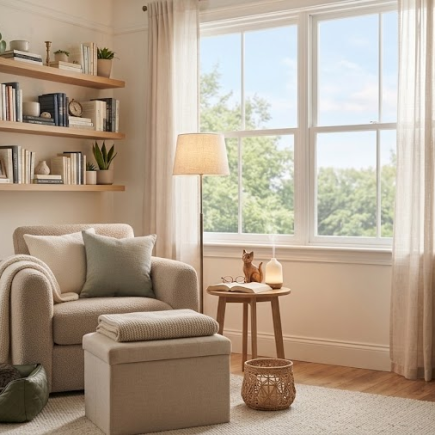
- Choose a storage ottoman that provides hidden storage and extra seating.
- Pick a coffee table with drawers or a lift-top for everyday essentials.
- Use a storage bench in the entryway or bedroom for seating and organization.
- Select furniture that fits the room to avoid wasting valuable floor space.
A Storage Ottoman Or Bench is one of the easiest ways to add hidden storage without adding a single new piece to the room.
Tip: Before buying any large item, ask whether a version with built-in storage exists. It usually does, and it costs little more for a lot more function.
8. Leaving Corners and Awkward Nooks Empty
Corners, narrow gaps, and awkward nooks are often overlooked, yet they offer valuable storage potential. Making better use of these underutilized spaces helps maximize storage capacity without taking up additional floor space.
- Add corner shelves or a tall corner unit to make use of vertical space.
- Place a slim cabinet in narrow gaps for shoes, towels, books, or pantry items.
- Turn the space under the stairs into drawers, shelves, or built-in storage.
- Secure tall corner units to the wall, especially in homes with children or pets.
Slim Storage Cabinets are designed to fit narrow gaps and turn dead corners into usable space.
Tip: A narrow cabinet offers straight, vertical storage in a spot too small for anything else, which makes it perfect for the awkward gaps most people ignore.
9. Wasting Kitchen Cabinet and Pantry Height
Kitchen cabinets and pantry shelves often have unused vertical space between shelves. Making better use of this height allows you to store more without adding extra cabinets or remodeling your kitchen.
- Add shelf risers to create extra levels for plates, mugs, cans, and bowls.
- Use stackable containers and clear storage bins to maximize shelf height.
- Store pantry overflow in tall cabinets instead of overcrowding lower shelves.
- Place lazy Susans in deep corner cabinets for easier access to stored items.
A tall Pantry Cabinet or a Kitchen Island With Storage adds vertical pantry space where cabinets fall short.
Tip: Shelf risers create extra space out of thin air. Stack them to double a shelf, or spread them through a cabinet to use the height you are currently wasting.
10. Treating Organization as a One-Time Event
Home organization isn’t a one-time project. Without regular upkeep, clutter gradually returns and fills the space you’ve worked hard to reclaim. A few simple habits can keep your home organized all year.
- Reset your main clutter hotspots once a week.
- Put everyday items back in their designated place.
- Clear kitchen counters and entryway surfaces daily.
- Review and improve your storage system each season.
Tip: A quick five-minute tidy each day is easier than hours of decluttering later.
Smart Storage Starts Here
Most homes are not short on space. They are short on space. Nearly every one of these mistakes comes down to the same thing: overlooking storage that is already there, whether that is empty walls, the back of a door, the area under your bed, or the height inside a cabinet. Fix those, give everything a home, and keep up a light weekly routine, and you will unlock a room you did not know you had.
Explore the full range of storage and organization and home furnishings to reclaim every square foot of your home.
FAQs
Ignoring vertical space is one of the biggest home organization mistakes. Many homes leave walls, closet height, and the space above cabinets unused. Adding shelves, tall cabinets, or wall-mounted storage creates extra room without reducing valuable floor space.
Always declutter before buying storage bins. Removing unwanted items first helps you see how much storage you actually need, prevents wasted purchases, and ensures containers fit your space. Measure shelves and drawers before choosing organizers.
The most overlooked storage areas include under the bed, behind doors, empty corners, cabinet height, and the space above closet rods. Adding rolling bins, over-the-door organizers, shelf risers, or corner shelving can greatly increase storage without expanding your home.
Maximize vertical storage, assign every item a dedicated home, and choose furniture with built-in storage. Keeping surfaces clear, using hidden compartments, and storing items off the floor creates a cleaner, more open look while making small rooms feel larger.
Home organization should be part of a regular routine rather than a one-time project. Spend a few minutes each day putting items back where they belong, complete a weekly reset of clutter hotspots, and review your storage systems each season to keep them effective.