



























Moving into a new home is exciting, right up until you realise how much furniture an empty space actually needs. The list grows fast across the bedroom, living room, dining area, and storage, and it is easy to overspend when the excitement takes over. The good news is you do not have to choose between a properly furnished home and your budget.
This guide gives you a realistic, room-by-room plan for furnishing a new home without overspending. You will learn how to set a budget, what to buy first, where to spend and where to save, and how to avoid the mistakes that cost the most.
Key Takeaways
- Budget around 10%–25% of your home’s value if you’re furnishing from scratch, or 5%–15% if you already own some furniture.
- Furnish your home in stages, starting with the rooms you use most, typically the bedroom and living room.
- Invest in high-use essentials such as your bed and mattress, sofa, and dining table.
- Save money on décor, accessories, and rooms that are used less often.
- Remember to budget for delivery, assembly, and taxes, which can add 15%–30% to the total cost.
- Measure every room before buying to avoid costly furniture sizing mistakes.
How Much Does It Cost to Furnish a New Home?
The cost of furnishing a new home depends on its size, how many rooms you plan to furnish, and the quality of the furniture you choose. As a general guideline, expect to spend 10%–25% of your home’s value if you’re starting from scratch, or 5%–15% if you already own some furniture.
For most homeowners, furnishing a one-bedroom home costs around $2,500–$5,000, while a typical three-bedroom house ranges from $10,000–$35,000 with mid-range furniture.
Breaking your budget down by room makes it easier to prioritize spending and avoid overspending.
| Room | Typical Budget (Mid-Range) | Essential Furniture |
| Bedroom | $1,500–$4,000 | Bed frame, mattress, dresser. |
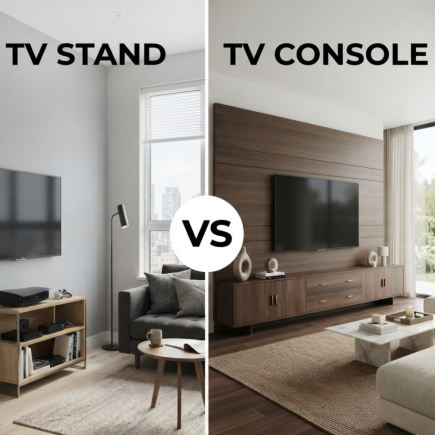
| Living Room | $1,500–$5,000 | Sofa, coffee table, TV stand. |
| Dining Room | $800–$2,600 | Dining table, chairs, storage. |
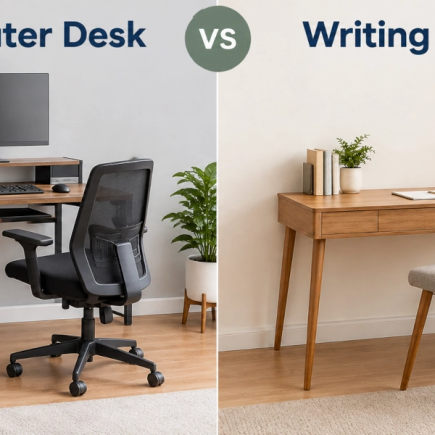
| Home Office | $400–$1,200 | Desk, chair, shelving. |
| Entryway / Storage | $300–$1,000 | Cabinets, shelves, benches. |
Step 1: Set a Realistic Budget
Start by deciding on your total furnishing budget, then divide it across each room based on how often you’ll use it. Setting a spending limit early helps you stay on track and avoid costly impulse purchases.
Prioritize the rooms you use every day, and leave lower-priority spaces until later if needed.
What to Do
- Set your total budget using 10%–25% of your home’s value as a general guideline.
- List every room that needs furniture and separate essentials from optional items.
- Allocate a larger share of your budget to high-use rooms like the bedroom and living room.
- Reserve 15%–30% of your budget for hidden costs such as delivery, assembly, and taxes.
Tip: Shop during major furniture sales, especially in January and late August, when many retailers clear old inventory and offer their biggest discounts.
Step 2: Buy in Phases, Starting With High-Use Rooms
Avoid buying everything at once. Furnishing your home in stages helps spread out costs, gives you time to compare prices, and lets you understand how each space will actually be used before making additional purchases.
Focus on the rooms you need most first, then add furniture to the rest of the home as your budget allows.
Recommended Buying Order
- Phase 1: Bedroom essentials, including the bed, mattress, and basic storage.
- Phase 2: Living room furniture, such as a sofa, coffee table, and TV stand.
- Phase 3: Dining room essentials, including a table and chairs.
- Phase 4: Storage furniture, home office pieces, and decorative accessories.
Step 3: Know Where to Spend and Where to Save
The smartest way to furnish a home is to invest in the furniture you’ll use every day and save on items that are easy to replace or update. Prioritizing quality where it matters most helps you stay within budget without sacrificing comfort or durability.
| Spend More On | Save Money On |
| Mattress and bed frame | Décor, artwork, and cushions |
| Sofa or sectional | Accent chairs |
| Dining table | Side tables and shelving |
| Ergonomic office chair (if you work from home) | Guest room furniture |
Tip: Decorative items like rugs, throw pillows, artwork, and lamps can completely refresh a room for a fraction of the cost of buying another large furniture piece.
A Room-by-Room Plan to Furnish on a Budget
Furnishing one room at a time makes the process more affordable and manageable. Start with the essentials in each space, then add decorative pieces and upgrades as your budget allows.
How to Furnish a Bedroom on a Budget
The bedroom should be your first priority because it’s where you’ll spend the most time resting. Focus on the essentials first, then add decorative items later.
Start With These Essentials
- Invest in a quality mattress for better comfort and sleep.
- Choose a sturdy bed frame that fits your room and supports the mattress properly.
- Add a dresser or wardrobe to keep clothing organized.
- Save money on bedside tables, lamps, and decorative accessories until later.
Explore a range of bedroom furniture, bed frames, and mattresses to build the room affordably.
How to Furnish a Living Room on a Budget
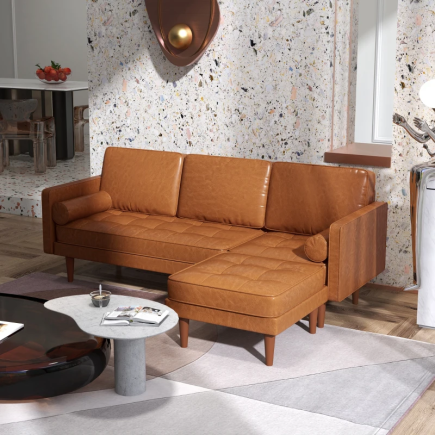
Furnish a living room around three essentials: comfortable seating such as a sofa or loveseat, a coffee table, and a TV stand or media unit. A well-sized rug ties the space together for very little.
- Choose a sofa or loveseat sized to the room, this is the anchor piece to spend on.
- Add a coffee table and a TV stand as practical, everyday surfaces.
- Skip the accent chair at first, a floor lamp or plant fills the corner for now.
- Never buy a rug that is too small, an undersized rug makes a room look cheaper.
Shop living room furniture, sofas and loveseats, coffee tables, and area rugs to complete the space.
How to Furnish a Dining Room on a Budget
Furnish a dining room with a table and at least two chairs as the non-negotiable core, then add seating and storage over time. A dining set is usually cheaper than buying the table and chairs separately.
- Start with a dining table sized to your space and everyday needs.
- A matching dining set often costs less than buying pieces individually.
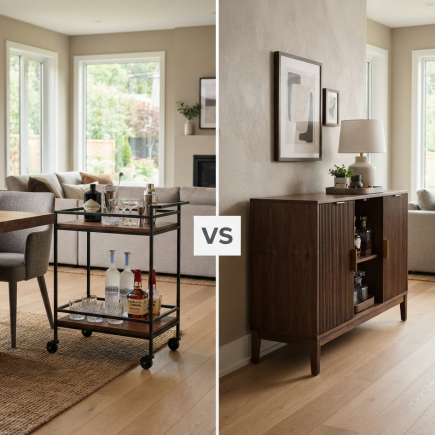
- Add a sideboard or cabinet later for storage and serving.
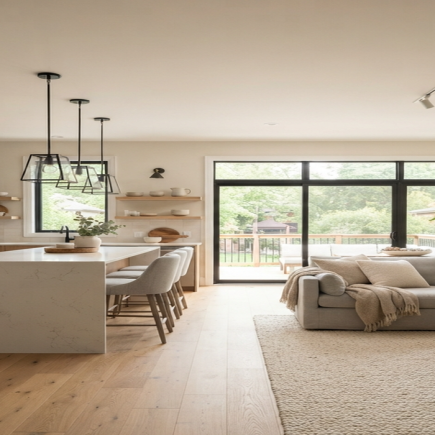
- Bar stools are a space-saving option if you have a kitchen island.
Shop kitchen and dining furniture and dining table sets for the best value.
Storage, Home Office, and Finishing Touches
Add storage, a home office, and décor last, once the essential rooms are done. These are the areas where budget-friendly pieces and smart styling stretch your money the furthest.
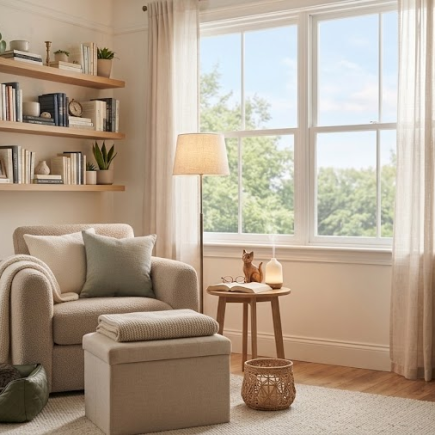
- Choose multifunctional storage, like an ottoman or bench that hides clutter and adds seating.
- If you work from home, a supportive office chair is the one piece here worth spending on.
- Use affordable décor, plants, and lighting to personalise the space for very little.
- A well-placed lamp and a few cushions add warmth without a big spend.
Shop storage and organization, office furniture, lighting, and home décor to finish the home.
Smart Ways to Save When Furnishing a New Home
You don’t have to spend a fortune to create a comfortable, stylish home. A little planning, smart shopping, and prioritizing the right furniture can significantly reduce your overall costs.
Money-Saving Tips
- Measure every room, doorway, and hallway before buying furniture.
- Shop during major sales, especially in January and late summer.
- Choose multifunctional furniture, such as storage ottomans and extendable dining tables.
- Invest in a few high-quality essentials and save on less frequently used pieces.
- Use rugs, lighting, artwork, and cushions to refresh a room without a large budget.
- Include delivery, assembly, and taxes when calculating the total cost.
Tip: Taking a few minutes to measure your space can save hundreds of dollars.
Common Mistakes to Avoid
Many furnishing mistakes are easy to avoid with a little planning. Avoiding these common pitfalls will help you stay on budget and create a home that feels both functional and well-designed.
Avoid These Mistakes
- Buying furniture for every room at once instead of furnishing in phases.
- Forgetting to budget for delivery, assembly, and taxes.
- Purchasing furniture without measuring your rooms and doorways.
- Spending too much on guest rooms before furnishing the spaces you use every day.
- Choosing a rug that’s too small, making the room feel unfinished and out of proportion.
Make Every Dollar Count
Furnishing a new home without overspending comes down to a simple strategy: set a realistic budget, buy in phases, spend on the few high-use pieces that matter, and save everywhere else. Start with the rooms you use most, measure before you buy, and let décor do the affordable work of making the space feel like yours.
Take it one room at a time, and the whole home comes together without financial strain. Explore affordable home furnishings at Aosom Canada, including stylish HOMCOM furniture, to complete every room at your own pace and within your budget.
Explore the Full range of Home Goods and also others which are required for a perfect home.
FAQs
Start with the furniture you use every day. Prioritise a mattress, bed frame, sofa, dining table, and basic storage, then furnish less-used spaces over time. Buying in phases helps you manage your budget, avoid impulse purchases, and create a comfortable home without overspending.
Invest the largest part of your budget in high-use furniture such as your mattress, bed frame, sofa, and dining table. These pieces affect your comfort and last for years. Save money on décor, accent furniture, and guest room furnishings that can be upgraded later.
Focus on a few quality furniture pieces and enhance the space with area rugs, lighting, cushions, plants, and wall art. Shopping seasonal furniture sales, choosing multifunctional furniture, and furnishing one room at a time helps create a stylish home while keeping costs low.
Furnishing your home in phases is the smartest and most affordable approach. Start with the bedroom and living room, then add dining, storage, and décor as your budget allows. This strategy spreads costs, helps you find better deals, and reduces expensive buying mistakes.