












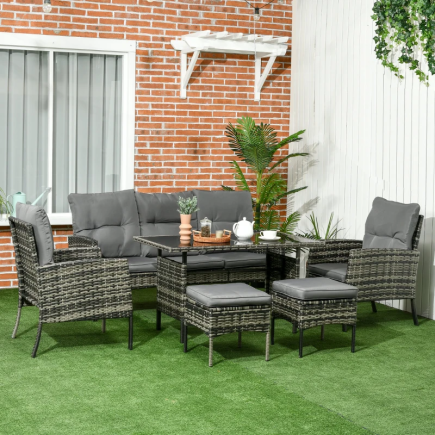







Minimalism is not about having less for the sake of it. It is about keeping the things that earn their place and letting them breathe. A dining set is one of the biggest pieces in any eating area, so it sets the tone for the whole space. Choose well and it feels calm, open, and effortless; choose poorly and even a tidy room starts to feel heavy and cramped.
The good news is that picking a minimalist dining set comes down to a handful of clear decisions: how you use the space, the size and shape that fit it, the colours and materials that keep it calm, and the practical touches that reduce clutter.
1. Start With How You Actually Use the Space
Before looking at any product, get clear about how the space is actually used day to day. Minimalist choices become much easier once the real need is understood, because you stop buying for rare occasions that almost never happen.
- Count the number of people who regularly use the space, not occasional guests.
- Identify whether the area is used for quick coffee breaks, full meals, or both dining and working.
- Consider traffic flow so chairs or tables don’t block walkways, doors, or movement paths.
- Decide whether you need flexible seating that can be added only when guests arrive.
Key Insight: Size the set based on everyday use, and handle guests with stackable or foldable seating instead of buying a large set that remains underused most of the time.
2. Get the Size and Proportions Right
In a minimalist space, proportion does most of the visual work. A set that is even slightly too large can overwhelm the area, while a properly scaled one keeps the space open and balanced.
What to aim for
- Leave around 90–100 cm of clearance around the table so chairs can be pulled out comfortably.
- Match the table size to the available area, keeping visible floor space around it.
- For small balconies, a two-seater bistro set keeps the layout light and uncluttered.
- For patios or decks, a four- to six-seater set usually provides the best balance of function and space.
If your space is genuinely small, a Bistro Set or a compact round table will feel far more relaxed than squeezing in a full-size rectangle.
Key Insight: Open space around the set matters as much as the set itself; the empty floor is part of the minimalist look, so do not fill every inch.
3. Choose a Shape That Keeps Things Open
Shape has a big impact on how open and easy a space feels. The right table design improves movement flow and keeps the area visually light.
- Round and oval tables remove sharp corners and improve flow in smaller spaces.
- Square tables work well for two to four people and can sit neatly against a wall.
- Slim rectangular tables offer more seating while maintaining a clean, linear profile.
- Slatted or glass tabletops feel lighter and less visually heavy than solid surfaces.
Key Insight: Choose the simplest shape that fits your daily use. Rounded edges and transparent or slatted surfaces help a space feel more open and less crowded.
4. Stick to a Calm, Neutral Colour Palette
Colour plays a major role in minimalist dining spaces. A restrained palette helps the area feel calm, cohesive, and intentionally designed.
Reliable minimalist tones
- Black, charcoal, and graphite for a modern, grounded look.
- Warm and cool greys that blend easily into most outdoor settings.
- White and cream for a light, open feel, especially in smaller spaces.
- Natural wood and wood-effect finishes that add warmth without visual clutter.
Key Insight: Stick to one or two neutral tones and let texture add interest. A single accent, such as a cushion or planter, is usually enough to complete the look.
5. Pick Clean Materials and Simple Lines
Minimalist design works best with materials that feel honest, durable, and visually light. The goal is a clean silhouette with minimal visual noise and low maintenance.
Great minimalist materials
- Powder-coated steel or aluminium frames for slim, strong, rust-resistant structures.
- Tempered glass tabletops that keep the space feeling open and are easy to clean.
- WPC or slatted surfaces that add subtle texture without looking busy.
Avoid overly complex details
- Ornate scrollwork, heavy carving, or decorative patterns that interrupt a clean look.
- High-maintenance finishes that require frequent sealing or detailed upkeep.
Stackable chairs are a quiet hero here. Sets such as these Stackable Patio Chairs store flat and out of sight the moment a meal is over, which keeps the area uncluttered.
Key Insight: Favour slim frames, simple tops, and low-maintenance finishes; the fewer details a set has, the more naturally it fits a minimalist home.
6. Prioritise Multifunction and Easy Storage
The cleanest minimalist spaces are those that can be reset quickly. Furniture that folds, stacks, or serves multiple purposes helps keep the area flexible and uncluttered.
- Stackable or folding chairs can be stored easily when not in use, freeing up floor space.
- Extendable or drop-leaf tables stay compact for daily use and expand only when needed.
- Sets that integrate with a parasol help reduce the need for additional standalone items.
To keep cushions and small extras out of sight, a Patio Storage Box doubles as a bench or side surface, while weatherproof Furniture Covers keep the set looking clean through the seasons.
Key Insight: Choose furniture that resets the space quickly; multifunction and tidy storage are what keep a minimalist area looking effortless every day.
7. Matching the Set to Your Space
Use this as a fast shortcut once you know your space and seat count. It pairs common layouts with the kind of set that keeps them feeling open.
| Your Space | Look For | Seats | Why It Works |
| Small balcony | Bistro set or folding 3-piece | 2 | Compact and tuck-away, leaves the floor open |
| Apartment patio | Round 5-piece with stackable chairs | 4 | Soft footprint, quick to clear and store |
| Mid-sized deck | Rectangle 5–7 piece, glass or slat top | 4–6 | Clean lines seat guests without crowding |
| Large patio | 7-piece in a neutral frame | 6 | Anchors the space without visual clutter |
Key Insight: Match the set to the space first and the seat count second; the layout that keeps the most open floor almost always looks the most minimalist.
Choosing the Right Set for Your Home
With the basics in place, the right choice usually becomes clearer. Most decisions come down to space, household size, and how often the set is used.
Go compact (bistro or 3-piece set) if you:
- Have a balcony, small patio, or tight outdoor corner.
- Mostly eat as one or two people and want to keep the space open.
- Prefer furniture that can be folded or stored away when not in use.
Go for a 5 to 7-piece set if you:
- Have a deck or patio and regularly dine with family or guests.
- I want stackable chairs that can be cleared away after meals.
- Prefer a simple, neutral table that anchors the space without overwhelming it.
For shade that keeps the look tidy rather than adding clutter, a simple Patio Umbrella in a matching neutral finishes the setup.
Bringing It All Together
Choosing a minimalist dining set is really about restraint with a purpose: the right size for your real routine, a simple shape, a calm palette, clean materials, and smart storage that keeps the space resetting itself. Get those right and the set quietly does its job while the room stays open and easy.
Browse Full Range of all types of Furniture at Aosom Canada
FAQs
Size it to how you actually eat day to day. For a balcony or tight patio, a two-seater bistro set or a compact round table keeps the floor open and the look calm. For a small deck, a round five-piece with stackable chairs seats four without crowding, and the chairs clear away after meals.
Stick to one or two quiet, neutral tones such as black, charcoal, grey, white, or natural wood. A restrained palette keeps the area feeling intentional, and you can add a single soft accent through a cushion or planter rather than a bold table colour.
Both can work; it depends on your space. Round and oval tables remove sharp corners and ease movement in small rooms, while slim rectangles seat more people in a low, linear profile. Choose the simplest shape that comfortably seats your everyday number.
Powder-coated steel or aluminium frames give slim, rust-resistant lines, and tempered glass or slatted tops feel light and wipe clean easily. These low-maintenance materials hold a clean look with little effort, which is exactly what a minimalist space needs.
Yes. The trick is flexible seating rather than a permanently large set. Stackable or folding chairs let you add seats only when guests arrive and store them flat afterward, and an extendable table stays small daily and grows when you need it. Prefer an indoor option? The same principles apply to Indoor Dining Table Sets, so you can keep one consistent, clean look throughout your home.