












When you need shade or shelter outdoors, two very different tents come up again and again: the canopy tent and the frame tent. From a distance they can look similar, fabric stretched over a supporting structure, but they’re built for completely different jobs. One is light, quick, and made to follow you from the backyard to the beach; the other is a serious, rigid structure designed to stand firm over a wedding or protect a car for weeks.
Picking the wrong one is a costly mistake, whether that means a flimsy shelter buckling at a big event or an oversized frame you never move. Brands like Outsunny build both categories, from pop-up canopies to heavy-duty frame tents with removable sidewalls, so you don’t have to compromise once you know which type fits your plans. This guide breaks down setup, size, durability, cost, and best uses side by side, so you can choose the canopy tent or frame tent that truly fits your plans.
1. What Is a Canopy Tent and a Frame Tent?
Both provide outdoor shelter, but they serve different purposes. The biggest difference is how they are built, which affects setup, stability, and long-term use.
Canopy Tent
- Lightweight shelter with four collapsible legs.
- Often features a pop-up folding design.
- No frame assembly required.
- The water-resistant canopy provides shade from the sun and light rain.
- Optional sidewalls add privacy and wind protection.
- Sets up in minutes and folds into a compact carry bag.
Frame Tent
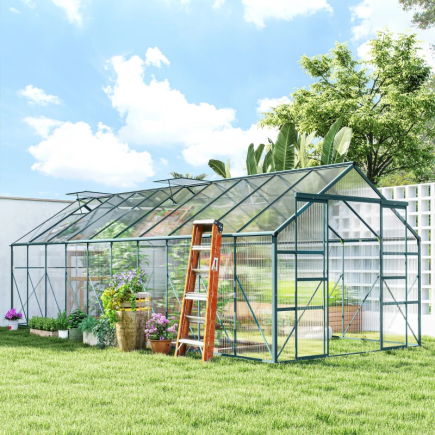
- Strong self-supporting metal frame.
- No interior poles for a fully open floor.
- Built from heavy-duty steel or aluminum.
- Designed for longer outdoor use.
- Available in large sizes for events and gatherings.
Key Insight: A canopy tent is a portable shade you can set up almost anywhere, while a frame tent is a sturdy structure built for one location.
2. Portability and Setup
Setup is one of the biggest differences between these tent types. If you move your shelter often, portability is just as important as durability.
Canopy Tent
- Set up in minutes.
- Usually handled by one or two people.
- No tools or professional help required.
- Folds into a compact carry bag.
- Easy to transport between locations.
Frame Tent
- Takes longer to assemble.
- Easier to set up with several people.
- Requires more frame connections.
- Designed to stay in one place.
- Best for events or longer-term setups.
Key Insight: Choose a canopy tent for speed and portability. Choose a frame tent for strength and stability
3. Size, Space, and Capacity
These tents are designed for different space requirements. Choose the size that matches your guest count and intended use.
Canopy Tent
- Ideal for small gatherings.
- Common sizes range from 10 × 10 to 13 × 13 feet.
- Corner legs slightly reduce usable space.
- Multiple canopies can be placed together.
Frame Tent
- Suitable for large groups and events.
- Pole-free interior maximizes usable space.
- Available in much larger sizes.
- Can often be extended for extra capacity.
Key Insight: Canopy tents suit smaller gatherings, while frame tents provide more space for larger events.
4. Durability and Weather Resistance
Weather resistance depends on the frame, fabric, and anchoring system. Frame tents are generally built for tougher outdoor conditions.
Canopy Tent
- Handles sun and light rain well.
- Lightweight design is less stable in strong winds.
- Should always be secured with stakes or weights.
- Best for temporary outdoor use.
Frame Tent
- Heavy-duty steel or aluminum frame.
- Waterproof covers available on many models.
- Better wind resistance with proper anchoring.
- Sidewalls improve protection in poor weather.
Key Insight: Frame tents are better for strong weather and extended use. Canopy tents are ideal for temporary shade in fair conditions.
5. Best Uses and Occasions
The best choice depends on how and where you’ll use the tent. Each type is designed for different situations.
A Canopy Tent Is Great For
- Farmers markets and craft fairs.
- Vendor booths and pop-up events.
- Backyard shade and family gatherings.
- Camping trips and tailgating.
- Sports sidelines and outdoor activities.
A Frame Tent Is Great For
- Weddings and receptions.
- Large outdoor parties.
- Festivals and community events.
- Carports and garages.
- Long-term equipment or vehicle storage.
Key Insight: Choose a canopy tent for portable everyday shade. Choose a frame tent for larger events and longer-term use.
6. Features Worth Looking For
The right features improve comfort, convenience, and weather protection. Compare them before making your decision.
On a Canopy Tent
- Wheeled carry bag for easy transport.
- Vented roof for better airflow.
- Half sidewalls for added wind protection.
- UV-resistant fabric for sun protection.
On a Frame Tent
- Removable sidewalls for extra weather protection.
- Windows and zippered doors for light and easy access.
- Reinforced corners for added strength.
- Stakes or leg weights for secure anchoring.
Key Insight: Features like sidewalls, UV-resistant fabric, and secure anchoring improve performance in different weather conditions.
7. Price and Value
Price depends on the tent’s size, materials, and construction. Think about how often you’ll use it before deciding.
Canopy Tent
- More affordable than a frame tent.
- Ready to use with no installation costs.
- Great value for occasional use.
- Can last for years with proper care.
Frame Tent
- Higher upfront cost.
- Built for strength and durability.
- May require professional setup for larger sizes.
- Better value for frequent or long-term use.
Key Insight: A canopy tent costs less upfront. A frame tent offers better long-term value for regular use and large events.
8. Side-by-Side Comparison
Use this table as a quick reference once you know your space, guest count, and how long the shelter needs to stay up. It puts every factor from this guide side by side, so you can scan for the one or two details that matter most to you.
| Factor | Canopy Tent | Frame Tent |
| Structure | Light legs, often pop-up | Rigid, self-supporting metal frame |
| Setup | Fast, one or two people | Longer, best with a few helpers |
| Portability | Very portable, packs down small | Heavy and semi-permanent |
| Footprint | Compact shade area | Large, open, pole-free interior |
| Weather | Sun and light showers | Wind, rain, and longer stays |
| Best For | Markets, backyards, camping | Weddings, events, carports |
| Price | Lower | Higher |
Key Insight: Neither tent is universally better. The right choice depends on how big the job is and how often you’ll need to move it.
Which One Should You Choose?
With the key differences clear, the right choice usually becomes straightforward.
Choose a Canopy Tent If You:
- Want a quick, portable shade you can set up alone.
- Use it for markets, camping, tailgating, or backyard afternoons.
- Prefer a lighter, more affordable, easy-to-store option.
- Need shade in a different spot every time you use it.
Choose a Frame Tent If You:
- Are hosting a wedding, big party, or long outdoor event.
- Need a large, open, pole-free space that stands up to weather.
- I want a durable shelter or carport that can stay up for the season.
- Are covering a bigger guest list than a single canopy can shade.
Your Ideal Outdoor Shelter
Canopy tents and frame tents solve the same basic need in opposite ways: one gives you fast, portable shade, the other a large, rigid structure built to last through big events and rough weather. Decide how much space you need, how often you’ll move it, and what conditions it must face, and the right choice becomes clear.
FAQs
A canopy tent is a lightweight, portable shelter, often pop-up, that creates quick overhead shade and packs down small. A frame tent is a larger, heavier structure built on a rigid, self-supporting metal frame with an open, pole-free interior.
It depends on size. In many Canadian municipalities, a tent or group of tents up to roughly 60 square metres (about 645 square feet) in aggregate ground area is exempt from a building permit, provided it’s set back a few metres from other structures.
It depends on the model and setup, but properly anchored consumer frame tents are generally built to handle winds in the 40 mph range, with lighter pop-up canopies rated lower, closer to 20 to 30 mph. Manufacturers often recommend lowering or evacuating any tent well before winds approach those limits.
Yes. Many heavy-duty frame tents double as carports or portable garages, sheltering vehicles, equipment, or supplies. With removable sidewalls, they can be fully enclosed for extra protection, and their rigid frames are built to stay up over the longer term.
When stakes aren’t an option, use weighted bags, water barrels, or purpose-built ballast plates at each leg or frame corner instead. Some frame tents include base plates designed specifically for hard-surface anchoring. Whatever the surface, four securely anchored corners make the biggest difference to stability.