








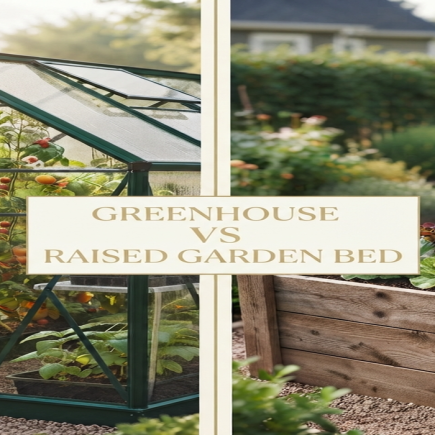


A raised garden bed is one of the best ways to grow healthy plants while reducing back strain and improving soil quality. Whether you’re growing vegetables, herbs, or flowers, selecting the right garden bed is essential for gardening success. In this guide, we cover the 7 most crucial tips to ensure you choose the best raised garden bed for your needs, helping your plants thrive from the start.
1. Get the Size Right
The size of your raised garden bed is one of the most important decisions you’ll make. It will affect how many plants you can grow, how easily you can reach them, and how much soil you’ll need. Here’s how to get it right:
Width
- Keep beds no wider than 4 feet when accessed from both sides. This is roughly the comfortable reach for most adults.
- If your bed sits against a wall or fence and can only be accessed from one side, reduce the width to 2 to 2.5 feet.
Length
- Most gardeners find 6 to 8 feet to be ideal. It gives you plenty of space while keeping the bed easy to walk around. Beds beyond 12 feet get costly and hard to manage.
Number of Beds
- Two or three smaller beds are easier to manage than one oversized bed. Plus, separate beds make crop rotation between seasons easier.
2. Match the Depth to What You Are Growing
Depth is another critical factor that many beginners overlook. A bed that is too shallow prevents roots from growing properly, stunting plant growth. The depth you need depends entirely on what you plan to plant.
Depth Guide:
- Lettuce, spinach, herbs: 6 inches (minimum), 8–10 inches (ideal)
- Kale, chard, parsley: 10 inches (minimum), 12 inches (ideal)
- Peppers, eggplant, beans: 12 inches (minimum), 14–16 inches (ideal)
- Tomatoes, cucumbers, zucchini: 15 inches (minimum), 18 inches (ideal)
- Carrots, potatoes, beets: 18 inches (minimum), 24 inches (ideal)
Tip: Twelve inches of well-mixed soil is more beneficial than 18 inches of compacted fill. Prioritize quality soil over depth.
3. Choose the Right Material
The material of your raised garden bed will determine its lifespan, maintenance needs, and whether it’s safe for growing food. Here’s a breakdown of the most popular materials:
Material Comparison:
| Material | Lifespan | Maintenance | Best For |
| Cedar | 10–15 years | Low | Natural, food-safe |
| Pine | 4–7 years | Moderate | Budget builds |
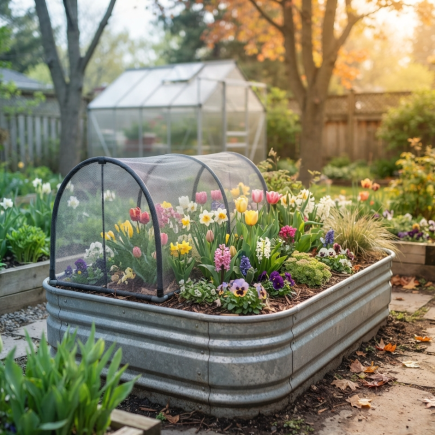
| Galvanized steel | 15–25+ years | Very low | Durability, modern |
| Composite | 20+ years | Very low | Zero-rot, easy care |
| Stone/Brick | Lifetime | None | Permanent installs |
Tip: Untreated cedar and galvanized steel are among the safest and most practical choices for vegetable or herb gardens.
4. Choose the Right Bed Type for Your Needs
The type of bed you choose will influence ease of access, plant variety, and gardening comfort. When planning, consider what types of easy vegetables for raised bed you want to grow, as this will help determine the best setup for your space.
Bed Type Options:
- Standard Raised Beds: These are the most common and are often used for larger plantings and vegetables that require deeper soil.
- Elevated Beds: Great for people with limited mobility, these beds stand higher off the ground, so you don’t have to bend or kneel.
- Modular Beds: These stackable beds allow for customization in size and shape. They’re ideal if you want flexibility and expansion options.
Tip: If you prefer minimal bending, an elevated raised garden bed is perfect for a comfortable gardening experience.
5. Prioritize Safety with Protective Features
When choosing a raised garden bed, it’s essential to consider the safety features, especially if you have children or pets around. Raised garden beds can have sharp edges that pose a risk of injury. Look for beds with protective corners or smooth, rounded edges to avoid accidents.
Protective Features:
- Protective Corner Design: Beds with protective corner caps help minimize the risk of injury from sharp metal edges, offering added safety for playful pets or children nearby.
- Rounded Edges: Some beds feature rounded or curved corners that reduce the chance of scrapes or cuts.
Tip: If your garden bed has sharp edges, consider adding protective corner covers for extra safety, especially if you have kids or pets in the yard.
6. Opt for an Open-Bottom Design for Better Drainage
Opt for beds with protective features like smooth, rounded edges to avoid accidents. Once you set up your raised garden bed, make sure you fill the raised bed with soil that’s well-drained for optimal growth
Benefits of Open-Bottom Design:
- Improved Drainage: Excess water drains away easily, preventing root rot and ensuring healthy root systems.
- Better Root Development: Roots can grow deeper into the ground, accessing nutrients and moisture that would otherwise be restricted in a closed-bottom bed.
Tip: If you’re gardening in an area with heavy rainfall, look for a raised bed with an open-bottom design to help manage excess water and keep your plants thriving.
7. Keep Your Budget and Long-Term Goals in Mind
When choosing a raised garden bed, your initial investment is just the start. Think about the long-term costs, including soil, liners, and maintenance.Once you build your raised bed, filling it with the right soil mix is key to its success Here’s what to consider:
Frame Cost vs. Lifespan
- Pine: Lowest upfront cost, but expect to replace it in 4 to 7 years.
- Cedar: Mid-range cost, but offers 10 to 15 years of durability.
- Galvanized steel: Higher upfront, but lasts 20+ years with minimal maintenance.
Tip: A high-quality bed with good soil will consistently outperform cheaper, short-lived options in the long run.
Ready to Start Growing?
Selecting the right raised garden bed is key to a flourishing garden. By considering factors like size, depth, material, and safety, you’ll set your plants up for optimal growth. Take your time to choose wisely, and you’ll enjoy a productive and healthy garden.
FAQs
Opt for elevated beds if you have limited mobility. These beds stand higher off the ground, allowing you to garden without bending or kneeling. This setup ensures a comfortable gardening experience for all.
For optimal root development, ensure your raised bed has an open-bottom design. This allows roots to extend deeper into the ground and access nutrients and moisture that may be restricted in a closed-bed system.
Select high-quality materials such as cedar or galvanized steel, which provide excellent durability. While these may have a higher initial cost, they offer long-lasting performance and require minimal maintenance.