










Anyone who has tried to lug a heavy bag of soil across the lawn, balance pruned branches in their arms, or make six trips with a bucket of mulch knows the truth: gardening is half horticulture and half hauling. The right garden cart turns that exhausting back-and-forth into a single, easy trip. The wrong one becomes another awkward thing taking up space in your shed.
But picking one isn’t as simple as grabbing the cheapest wagon you see online. Garden carts come in dozens of styles, sizes, and configurations, each built for a different kind of yard and a different kind of gardener. This guide walks you through exactly what to consider before you spend a dollar.
1. Start With What You’ll Be Hauling
Before comparing specs, take a moment to picture your typical garden day. The type of load you carry plays a major role in choosing the right cart, so it should be your starting point.
- Light loads: Flowers, harvested vegetables, hand tools, or small potted plants are best suited to a soft-sided folding wagon that is easy to move and store.
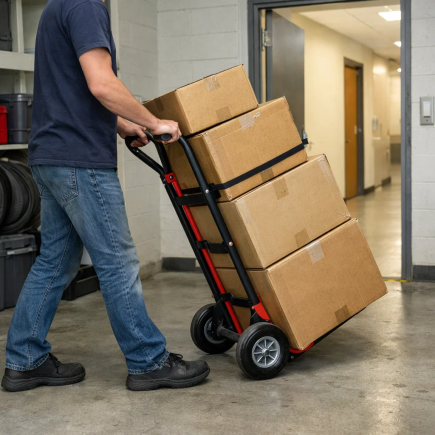
- Heavy loads: Soil, rocks, firewood, paving stones, or large compost bags require a strong steel-frame cart designed to handle weight without bending or tipping.
- Mixed loads: If your tasks vary, a hybrid cart with a removable liner offers flexibility, allowing you to switch between light and heavier materials when needed.
Tip: Write down the three heaviest items you moved in your yard recently.
2. Match the Cart Type to Your Lifestyle
Garden carts fall into a few clear categories. Knowing the differences helps you choose faster and avoids comparing products that serve completely different purposes.
- Collapsible folding wagons: The most popular option for casual gardening and weekend use. They fold flat in seconds, fit easily in a car boot, and work well for camping, beach trips, and everyday hauling when storage space is limited.
- Steel utility wagons: Built for strength and durability. These feature a metal bed, fixed sides, and high load capacities, often between 400 and 660 lbs. Many models include removable sides that convert into a flatbed for longer or bulkier items.
3. Pay Close Attention to the Wheels
Wheels are often overlooked, but they make the biggest difference in how easy your cart is to use. The right choice depends on your terrain.
- Pneumatic (air-filled) tires: Best for grass, gravel, and uneven ground. They absorb shock but may need occasional air.
- Solid wheels: Low maintenance and puncture-proof, ideal for patios and smooth surfaces, but less stable on rough terrain.
- Swivel wheels: Allow easy turning in tight spaces, but can feel less stable with heavy loads. Locking options help on slopes.
- Wheel size: Larger wheels (around 10 inches) handle bumps and uneven surfaces much better than smaller ones.
Tip: Check your usual garden path. For grass or gravel, go with larger pneumatic wheels for smoother movement.
4. Think About Capacity in Two Ways
Capacity is not just one number. You need to consider both weight and volume to choose the right cart for your tasks.
- Weight rating: Around 300–450 lbs works for most garden jobs, while 550 lbs or more suits heavier work like landscaping.
- Volume rating: 70–80 litres is enough for regular use, while 130–160 litres handles larger loads.
- Footprint: Higher capacity carts are bigger and can be harder to move in tight spaces.
Tip: Measure your narrowest path before buying. A larger cart is not always the most practical choice.
5. Look Closely at the Handle Design
The handle plays a big role in comfort, especially during longer tasks. Small design details can make a noticeable difference in how easy the cart is to use.
- Adjustable or telescoping handle: Allows you to match the height to your posture and avoid bending while pulling.
- 180-degree rotating handle: Gives flexibility to pull or push the cart depending on space and terrain.
- Padded grip: Improves comfort during extended use and reduces hand strain.
- Tow-bar pin: Useful if you plan to attach the cart to a mower or ATV, mainly found on heavy-duty models.
Tip: If more than one person will use the cart, an adjustable handle makes it easier for everyone to use comfortably.
6. Weigh the Extras That Actually Matter
Some features may seem minor, but the right ones can make your cart far more practical for everyday use.
- Removable canopy: Adds shade for plants, pets, or outdoor use in direct sun.
- Drop-down tailgate: Makes loading longer or bulky items much easier.
- Removable liner: Simplifies cleaning after carrying soil or debris.
- Built-in brakes: Important for stability, especially on sloped ground.
- Carrying bag: Helps transport and store folding wagons more easily.
Tip: Focus on features that solve real tasks you deal with regularly, rather than choosing extras you may never use.
7. Plan for Storage and Setup
Storage matters more than expected. A cart that is difficult to store or set up often ends up unused.
- Folding wagons: Collapse to a slim size and can be stored upright against a wall.
- Rigid steel carts: Require more space but can stay outside with a cover.
- Assembly time: Some models are ready to use, while others need setup. Tool-free options save time.
Tip: Measure your storage space first and allow a little extra room for wheels and movement.
8. Set a Realistic Budget and Run the Final Check
Garden carts come in a wide price range, but the best choice depends on how often you’ll use it. Match your budget to your needs, then run a quick final check before buying.
- Entry-level ($50–$70): Suitable for occasional use and light tasks.
- Mid-range ($100–$150): Better wheels, stronger frames, and higher capacity for regular use.
- Heavy-duty ($170+): Built for long-term use with high load capacity and durable construction.
Don’t Roll Away Just Yet
Choosing a garden cart is less about chasing the highest weight rating or the newest feature, and more about quietly matching the cart to the shape of your own gardening life. Think about what you carry, where you carry it, and where you store it when the work is done. Get those three answers right and almost any reputable cart will serve you well for years.
FAQs
Large pneumatic wheels handle gravel and uneven paths much better than small solid wheels. Choosing wider tires also improves balance when carrying heavy garden materials.
Place heavier items at the centre of the cart to improve balance during movement. Avoid overloading one side, especially when moving across slopes or rough terrain.
Quality folding carts work well for tools, plants, and lighter daily garden tasks. For frequent heavy hauling, steel-frame carts usually last longer and feel more stable.
Brush away soil and rinse the cart with water after carrying mulch or compost. Letting dirt sit too long can affect wheels, liners, and moving parts over time.
Most home gardeners rarely need extreme weight capacity for normal weekly garden work. Choosing a cart slightly above your usual load keeps movement smoother and safer.