






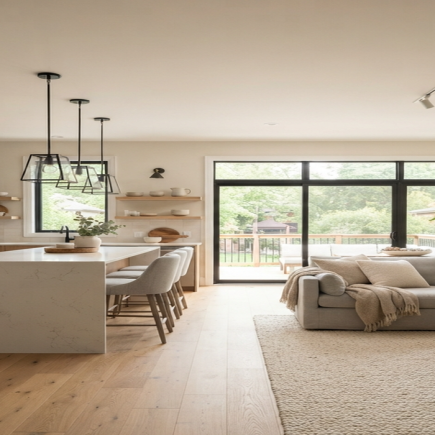









Setting a dining table for everyday meals is less about formality and more about comfort, order, and ease. A well-arranged table helps meals feel calmer, supports smooth serving, and makes daily dining more enjoyable whether you’re eating alone, with family, or sharing meals with guests.
Everyday table settings should work with your routine, not slow it down. This guide focuses on realistic layouts that suit daily use, using simple steps you can repeat without thinking.
Step 1: Prepare the Table Surface Before Setting Anything
Before plates or cutlery go on the table, the surface itself needs attention. A clean, even tabletop helps everything sit properly and keeps the setup feeling intentional rather than rushed.
Common surface setups for everyday meals
- Placemats for quick setup and easy cleanup
- Table runners on longer tables when kept narrow
- Bare tabletop paired with coasters for drinks
Chair placement should also be checked at this stage. Chairs should be evenly spaced and aligned with the table so each person has enough room to sit comfortably and eat without feeling crowded.
Step 2: Position the Dinner Plate with Intention
The dinner plate acts as the visual and functional centre of each place setting. When placed correctly, it creates balance and makes the rest of the table easier to organise.
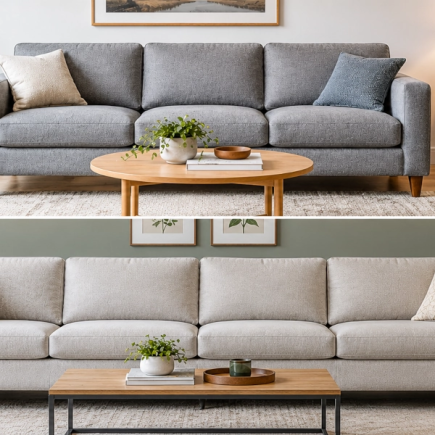
Table proportions play a quiet but important role here. When the dining surface provides enough width and depth, plates can be placed evenly without pushing cutlery or glasses too close together. This is often noticeable on a dining table, where everyday place settings fit comfortably without overlapping or crowding the surface.
Plate placement tips for daily meals
- Use one plate per person for most meals
- Avoid stacking plates unless serving multiple courses
- Match plate size to the scale of the table
A centred plate helps the entire setup feel consistent and easier to reset after meals.
Step 3: Arrange Cutlery in a Clean, Familiar Layout
Cutlery placement should feel instinctive. For everyday meals, there’s no need for extra utensils keeping the layout simple and works best.
Standard everyday cutlery placement
- Fork on the left side of the plate
- Knife on the right, blade facing inward
- Spoon placed to the right of the knife if needed
Aligning the bottoms of the cutlery with the base of the plate helps the table look organised without appearing formal.
Adjust cutlery based on the meal
- Skip the spoon if no soup or bowl is served
- Omit the knife for finger foods or lighter meals
- Use only what will actually be needed
Fewer items on the table make meals feel less cluttered and speed up cleanup afterward.
Step 4: Place Glassware Where It’s Easy to Reach
Glassware should be accessible without interfering with eating or serving food. For daily meals, simplicity matters more than variety.
Place one drinking glass per person slightly above and to the right of the plate, aligned with the knife. This position keeps the glass within reach while reducing the chance of spills caused by arm movement.
Everyday glassware tips
- Leave a small gap between the glass and the plate
- Avoid placing glasses too close to the table edge
- Choose glasses that feel comfortable to hold
If multiple drinks are served, additional glasses can be brought to the table later instead of setting everything at once.
Step 5: Add Napkins in a Simple
Napkins should be easy to reach and easy to reset for the next meal. Everyday dining works best with straightforward placement.
Common napkin placements
- To the left of the fork
- Folded neatly on top of the plate
Cloth napkins add a reusable, home-style touch, while paper napkins work well for faster meals. Choose based on how often the table is used and how much maintenance you prefer.
Simple folds, such as a rectangle or square, keep the table tidy without adding extra steps.
Step 6: Keep the Centre of the Table Open (or Nearly Open)
For everyday dining, the centre of the table should remain mostly clear. An open centre allows space for shared dishes and keeps meals feeling relaxed rather than crowded.
If you choose to place something in the middle, it should be low-profile and easy to move. Tall arrangements often block sightlines and tend to get removed once food is served.
Seating also affects how open the table feels. Chairs that slide in smoothly and sit at the right height help maintain spacing between place settings. When paired with seating such as HOMCOM Dining Chairs, it becomes easier to keep the centre clear while still allowing room for comfortable movement and shared bowls during meals.
Suitable everyday centre items
- A small bowl of fruit
- A low vase with fresh or dried flowers
- Leaving the surface completely clear
Keeping the middle open makes daily dining easier and reduces the need to rearrange the table during meals.
Creating a Table Setup You Can Repeat Every Day
A Dining Table that’s easy to set and reset helps meals run smoothly. Consistent placement of plates, cutlery, and glasses removes guesswork and saves time, especially during busy days.
Furniture choice plays a role as well. Dining tables and chairs designed for everyday use make it easier to maintain spacing, comfort, and balance. Aosom focuses on furniture suited for daily living, which naturally supports simple, repeatable table layouts.
FAQs
1. How do I set a dining table when space feels limited?
Reduce what goes on the table to essentials only. Use smaller plates and fewer items to avoid crowding. Keeping the centre clear instantly makes the table feel larger.
2. What’s the fastest way to reset a dining table after meals?
Clear items in one pass instead of piece by piece. Wipe the surface first, then place plates and cutlery in the same positions every time. Repeating the same layout speeds things up.
3. How can I make my table setup look neat without spending too much time?
Use minimalistic table settings, such as placing napkins simply to the left of the fork or folding them neatly on the plate. Choose cloth napkins for a homey touch or paper ones for faster meals, keeping things clean and efficient.