










Choosing the right greenhouse depends on what you want to grow, how much space you have, and the weather conditions in your part of Canada. The right setup can help you start seeds earlier, shelter young plants, and make better use of your growing space.
This guide compares seven greenhouse and plant protection options, explains how to assess size, materials, ventilation, and weather suitability, and uses three Outsunny products to illustrate different growing needs.
1. Identify Your Growing Needs
Start by deciding what you want to grow and where you plan to place your greenhouse. These choices affect its size, shape, ventilation, and level of protection.
- Seedlings and Young Plants: Young plants benefit from shelter during early growth. A mini greenhouse or cold frame can suit seed starting and compact crops.
- Herbs and Potted Plants: Shelving helps you organize herbs, flowers, and small pots vertically. A portable greenhouse with several tiers can make better use of limited floor space.
- Vegetables in Garden Beds: Tunnel greenhouses can cover rows or low garden beds. Check the available height before choosing one for crops that grow tall.
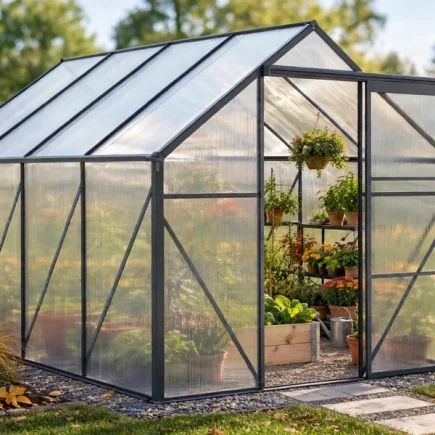
- Multiple Plants and Regular Access: A walk in a greenhouse offers room to move between plants. Measure the space needed for shelves, containers, and watering before selecting a larger structure.
Tip: Consider how your plants will grow over time, including their mature height and spread, before deciding how much growing space you need.
2. Greenhouse and Plant Protection Options for Beginners
These seven options serve different gardening needs. A greenhouse can be both portable and plastic-covered. Check out its design, materials, dimensions, and protection features rather than relying on the category name alone.
| Option | Best suited to | Main advantage | Main limitation | |
| 1 | Mini greenhouse | Seedlings and small pots | Compact footprint | Limited growing capacity |
| 2 | Portable greenhouse | Herbs, flowers, and potted plants | Flexible placement | Needs suitable anchoring |
| 3 | Walk-in greenhouse | Several crops and regular access | Room to move inside | Requires more floor space |
| 4 | Tunnel greenhouse | Garden beds and rows | Covers a longer growing area | Height varies by design |
| 5 | Plastic greenhouse | Seasonal growing | Available in varied designs | Material quality varies |
| 6 | Cold frame greenhouse | Seedlings and compact crops | Low profile and opening top | Unsuitable for tall plants |
| 7 | Crop cage | Protecting plants from birds and some animals | Mesh barrier allows airflow | Provides little temperature or weather protection |
Tip: Choose the protection method that matches your main concern, growing plants under cover, sheltering seedlings, or creating a physical barrier against animals.
3. Choose the Right Size and Dimensions
A greenhouse needs enough room for your plants to grow without taking over the available garden space. Measure the proposed location before comparing products.
- Footprint: Measure the available length and width. Include room around the structure for access, watering, and maintenance.
- Height: Consider the mature height of your plants and the space needed to reach them. Shelved greenhouses also need enough clearance for pots and plant growth.
- Growing Capacity: Check the number of shelves, their dimensions, and the maximum load specified for each shelf. Follow the manufacturer’s weight limits and any instructions about distributing weight across the structure.
- Placement: Choose a location that receives suitable light and allows air circulation. Avoid exposed positions if the structure is not designed for strong winds.
Tip: Check the usable height beneath shelves and covers, especially if your plants need room to grow upwards or spread out.
4. Compare Frame and Cover Materials
The frame supports the structure, while the cover or panels affect light transmission, protection, and maintenance. Check both before making your decision.
| Material or feature | What to check | Suitable use |
| Steel frame | Frame stability, coating, anchoring | Various greenhouse designs; check frame stability and anchoring |
| Fir wood frame | Panel support, outdoor care | Wooden cold frames and other wooden structures |
| Polyethylene cover | Cover fit, ventilation, wind limits | Lightweight tunnels and seasonal protection |
| PVC cover | Cover quality, durability, ventilation, and access | Compact portable greenhouses |
| Polycarbonate panels | Panel thickness, opening design | Cold frames and other rigid-panel greenhouse designs |
| Mesh covering | Mesh openings, barrier height | Crop protection with airflow |
Tip: Check whether replacement covers or panels are available, particularly if you expect to reuse the greenhouse over several growing seasons.
5. Check Ventilation and Everyday Access
A covered growing space can become warm and humid, especially on sunny days. Ventilation helps regulate conditions and reduces excess moisture around plants.
- Windows and Mesh Panels: Look for openings that allow air to circulate. Mesh windows can provide airflow while helping limit access for some insects, depending on their design.
- Doors and Opening Roofs: A zippered door can make it easier to reach plants inside a portable greenhouse. An opening roof gives access to plants in a cold frame and helps release trapped heat.
- Humidity Monitoring: Check plants and growing conditions regularly. Excess humidity can encourage plant diseases, so ventilation should match the weather and the needs of your crops.
Tip: Consider whether you can reach plants at the back and open ventilation panels easily once pots, trays, and shelves are in place.
6. Consider Canadian Weather and Seasonal Use
Canadian growing conditions vary widely by region. A greenhouse that works well in a sheltered backyard may not suit an exposed site with strong winds or heavy snowfall.
- Wind Exposure: Check the manufacturer’s stated wind limitations and anchoring requirements before installing a greenhouse. Lightweight tunnels and portable models may need a sheltered location and additional securing, depending on their design.
- Rain and Snow: Check the frame design, roof shape, and manufacturer’s snow-load guidance before choosing a greenhouse for winter use. Do not assume a lightweight seasonal structure can withstand accumulated snow or severe storms.
- Seasonal Protection: A greenhouse can help shelter plants, but it does not automatically maintain a safe temperature during freezing weather. Consider whether your crops need additional insulation or controlled heating.
Tip: Decide how you will secure or store the greenhouse before winter if its design is intended for seasonal rather than year-round use.
7. Choosing the Right Greenhouse for Your Gardening Needs
A compact tunnel, a tiered portable greenhouse, and a wooden cold frame illustrate three different growing needs. The greenhouses below show how dimensions, ventilation, shelf capacity, and access features can help you assess whether a design suits your garden.
1. For Low Garden Beds
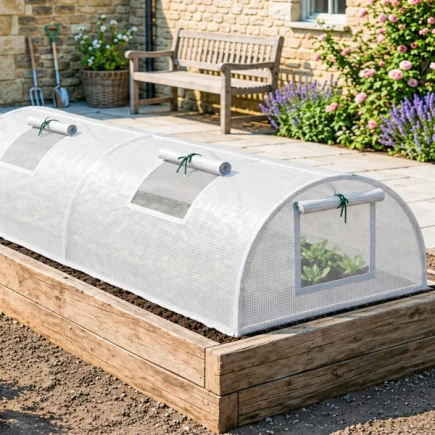
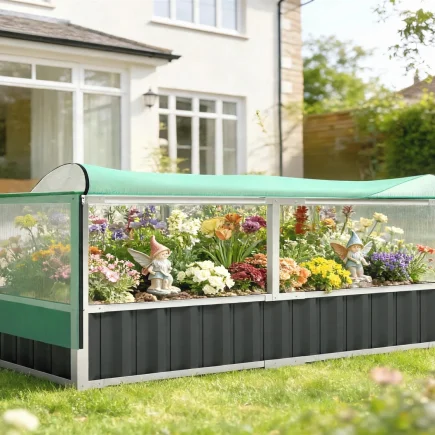
The Outsunny Mini Tunnel Greenhouse measures 200 × 80 × 45 cm. It has five roll up mesh windows, three on top and two on the sides, for ventilation and access, a steel frame, and a PE cover. It has no door and no shelves, so plants sit directly in the bed it covers.
2. For Vertical Growing
The Outsunny Portable Greenhouse with 4-Tier Shelves measures 70 × 50 × 160 cm and has four shelves, each with a maximum stated load of 15 kg. Its roll-up door provides easy access.
3. For Seedlings and Compact Vegetables
The Outsunny Wooden Cold Frame Greenhouse measures approximately 90 × 60 × 40 cm. Its polycarbonate panels admit light, while the roof opens to a maximum angle of 80 degrees for ventilation and access. Its low profile makes it more suitable for seedlings and compact plants than for tall, mature vegetables.
Tip: Compare access as well as dimensions. The tunnel has no doors, the tiered greenhouse has a roll-up door, and the cold frame has an opening roof.
Final Greenhouse Buying Checklist
Before choosing a greenhouse, check these details against your growing needs and garden conditions.
- Size: Does the footprint fit your available space, with room for access and maintenance?
- Plant growth: Is there enough height and capacity for mature plants and containers?
- Materials: Are the frame and cover suitable for the intended use and season?
- Ventilation: Can you open the vents, doors, or roof easily when temperatures rise?
- Access: Can you reach plants comfortably for watering, pruning, and harvesting?
- Stability: Can the structure be secured according to the manufacturer’s instructions?
- Weather: Are the stated wind and snow limitations suitable for your location?
- Maintenance: Are replacement covers or panels available if you plan to reuse the greenhouse?
Find the Right Greenhouse for Your Garden
Once you know what you want to grow, how much space you have, and what your local weather requires, compare the greenhouse options available at Aosom Canada. Explore mini greenhouses, portable shelving models, tunnels, cold frames, and walk-in designs to find a setup suited to your garden.
FAQs
The Outsunny Portable Greenhouse with 4-Tier Shelves (70 × 50 × 160 cm) is a practical starting size for beginners growing herbs, flowers, and potted plants. Its vertical shelves use limited floor space, but check each shelf’s 15 kg load limit.
Choose a level, well-drained location with sufficient sunlight for your plants, often around six hours of direct sun daily. Avoid excessive shade and exposed spots prone to strong winds. Check anchoring requirements and leave enough space for access and maintenance.
Common mistakes include choosing the wrong size, overlooking ventilation, ignoring anchoring needs, and expecting complete frost protection. Overwatering and failing to inspect plants for pests can also cause problems. Check growing conditions regularly and follow care guidance.
Leafy greens, radishes, and many herbs are practical starter plants because they grow relatively quickly. Tomatoes, peppers, and cucumbers can also grow under cover when conditions suit them. Check seed-packet guidance for temperature, spacing, and sowing times.
Open available vents, doors, or covers when the greenhouse becomes too warm, and monitor humidity to help manage excess moisture. Water plants according to their needs and check conditions regularly. An unheated greenhouse may not prevent frost damage during Canadian cold spells.