








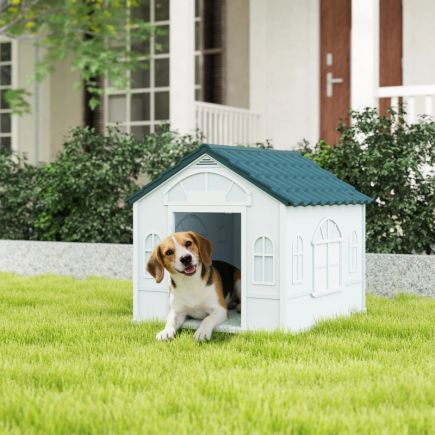
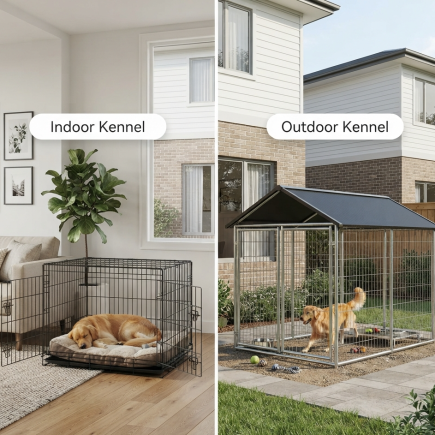
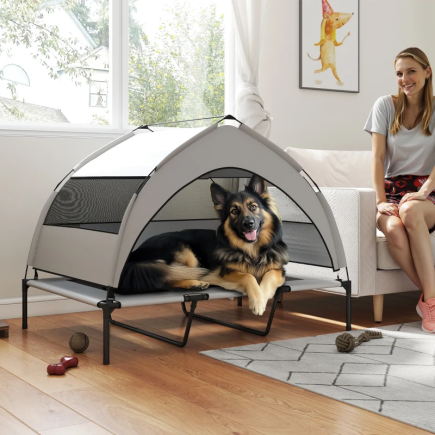

Choosing the right kennel size is one of the most important decisions you can make for your dog’s long-term comfort, safety, and wellbeing. A kennel provides a dedicated living area that includes both a resting section and a run where your dog can move naturally. When sized correctly, it supports balanced behaviour, stable posture, and healthy daily routines.

This guide breaks down everything you need to know to determine the right dimensions based on your dog’s measurements, structure, and environmental factors.
Minimum Space Requirements for a Dog Kennel
Standing Room Requirements
The resting section must have interior height greater than your dog’s full standing height. This prevents restricted posture and allows natural vertical stretching.
Turning & Movement Space
Your dog should be able to rotate freely within the resting section. Adequate width ensures:
- No shoulder brushing against walls
- Comfortable repositioning before lying down
- Natural shifting throughout the day
Lying & Stretching Space
The resting area must accommodate your dog’s full-body extension. This includes:
- Straight-leg stretching
- Side-resting posture
- Diagonal sleeping positions
This space supports joint comfort and natural sleep patterns.
How to Measure Your Dog to Choose the Correct Kennel Size
Accurate measurements are the foundation of selecting a kennel that matches your dog’s natural posture, resting habits, and movement style. Every dog carries their weight, height, and body shape differently, so measuring ensures the structure supports their daily comfort.
Measure Body Length (Nose to Tail Base)
This measurement determines how long the resting area should be.
- Measure from the tip of the nose to the base of the tail.
- This length reflects your dog’s full resting and stretching posture.
- A kennel sized to this measurement prevents cramped sleeping positions or restricted leg extension.
Measure Dog Height (Floor to Head or Ears)
Height ensures your dog can stand naturally inside the kennel.
- Measure your dog while standing on all fours.
- Record the height from the floor to the top of the head or ears (whichever is highest).
- This helps maintain natural head posture without touching the roof.
- Adequate height also supports comfortable stretching after sleep.
Measure Dog Width (Widest Point)
Width determines how freely your dog can turn and shift inside the resting area.
- Identify the broadest part of the body, usually the shoulders or chest.
- Measure straight across at that widest point.
- This ensures your dog can reposition, turn, or lie diagonally without brushing against walls.
Consider Bedding or Flooring Height
Added features inside the kennel reduce usable interior height, so they must be included in your calculation.
Common height-reducing additions include:
- Raised platforms
- Insulated floors
- Thick bedding layers
Significance of this factor:
- Each layer takes up vertical space.
- Add the total thickness of these materials to your dog’s height measurement.
- This ensures your dog retains full standing clearance after bedding is installed.
Simple Kennel Size Formula (Length, Width, Height)
Use these formulas to calculate suitable interior dimensions:
- Rest Area Length = Dog’s body length + clearance
- Rest Area Width = Dog’s body width + turning allowance
- Rest Area Height = Standing height + bedding depth + overhead space
- Run Length = 3-5× the dog’s length, depending on activity level
Each formula supports a different movement and posture requirement.
Dog Kennel Size Chart (By Dog Size & Weight)
| Dog Size | Typical Weight | Recommended Resting Area | Recommended Run Length |
| Small | Up to 25 lbs | 3–4 ft length × 2–3 ft width | 8–12 ft |
| Medium | 25–50 lbs | 4–5 ft length × 3–4 ft width | 12–16 ft |
| Large | 50–90 lbs | 5–6 ft length × 4–5 ft width | 16–20 ft |
| Extra-Large | Over 90 lbs | 6–7 ft length × 5–6 ft width | 20+ ft |
This chart should be treated as a general reference. Body structure may require adjustments.
Kennel Run Size Recommendations
The run supports ongoing movement throughout the day. A well-sized run should allow:
- Continuous forward walking
- Gentle pacing
- Position-changing during temperature variations
The run must be significantly longer than the resting area to support daily activity without overcrowding.
Kennel Size according to Breed, Age, and Body Shape Puppies (Plan for Growth)
Young dogs grow rapidly. When choosing a size, consider:
- Projected adult height
- Expected adult length
- Shoulder width at maturity
Selecting a kennel based on future size prevents early replacement.
Tall, Long, or Lean Dogs
These dogs often need:
- Extra interior height
- Additional resting length
- Slightly extended run sections
Their structure requires more generous vertical and horizontal space.
Broad or Heavy Dogs
Wider dogs benefit from:
- Increased resting width
- Additional clearance around shoulders
- Stable turning space
This prevents discomfort during position changes.
Multi-Dog Kennel Sizing
Minimum Rest Area per Dog
Each dog should have its own properly sized resting section. Combining resting spaces leads to:
- Limited stretching
- Competitive behaviour
- Sleep disruption
When to Use Larger or Divided Runs
Consider a larger or partitioned run when:
- Dogs have different energy levels
- Body sizes differ significantly
- Multiple dogs need personal movement zones
This prevents crowding and supports harmony.
Climate and Location Impact on Kennel Size
Cold Weather Considerations
A kennel may require space for:
- Insulation
- Wind-shield structures
- Heat-retaining materials
These elements occupy interior volume and affect sizing.
Warm Weather Considerations
When temperatures rise, dogs need structural features such as:
- Airflow channels
- Shade zones
- Lengthened run areas for cooler positioning
Proper size supports comfort across changing temperatures.
Accessories That Reduce Usable Internal Space
Interior features occupy a physical room. Common space-reducing additions include:
- Thick bedding
- Elevated flooring
- Feeding stations
- Built-in platforms
- Storage modules
Selecting a slightly larger kennel offsets this lost space.
Dog Kennel Size Calculator
How the Calculator Works
The calculator evaluates:
- Body length
- Standing height
- Body width
- Bedding depth
- Selected unit system
It uses these inputs to recommend internal height, width, and length.
Common Mistakes to Avoid When Choosing Kennel Size
Avoid the following errors when selecting a kennel:
- Using breed labels instead of body measurements
- Selecting structures with limited height
- Underestimating run length
- Ignoring space taken by interior accessories
- Overlooking climate-related adjustments
These mistakes lead to cramped, uncomfortable, or inefficient kennels.
Choosing the right Dog Kennel size goes far beyond basic measurements, it directly affects your dog’s comfort, posture, behaviour, and overall wellbeing. By measuring length, height, and width accurately, planning space for bedding and accessories, and selecting an appropriate run length, you create an environment that supports natural movement throughout the day.
FAQs
1. What if my dog refuses to enter the kennel even though it seems large enough?
Some dogs avoid kennels when the space feels unfamiliar or the flooring feels unstable. Try adding familiar bedding, ensure the entry height isn’t too low, and check that the resting area isn’t echoing or overly bright. Comfort adjustments often solve the hesitation.
2. What if my dog tends to dig or press against walls inside the kennel?
This behaviour can be a sign that the kennel width is too narrow or the run layout doesn’t allow natural movement. Increasing width, reinforcing the base, or adjusting the interior layout helps reduce this discomfort-driven behaviour.
3. What if my dog sleeps comfortably inside but seems restless in the run area?
This usually indicates that the run length doesn’t match the dog’s activity level. Extending the run or choosing a longer shape provides more space for relaxed movement and reduces anxious pacing.