













When bringing a bird into your home, choosing the right spot for their cage is crucial for their health and happiness. The right location can help reduce stress, promote well-being, and ensure your bird thrives. This article will help you find the best place for your bird’s cage.
Considerations Before Choosing a Location
- Temperature & Humidity: Avoid drafts and extreme temperatures. Keep the cage away from air conditioners or radiators.
- Space for Movement: Ensure the cage is spacious enough for your bird to stretch, climb, and move freely.
- Social Needs: Place the cage where your bird can see and hear the family, but not be overwhelmed by noise.
- Sleep: Birds need a dark, quiet spot at night; use a cage cover for rest.
- Safety: Keep the cage away from electrical cords, strong scents, and smoke for your bird’s safety.
Ideal Places for a Bird Cage
There are a few locations that generally work well for bird cages. Let’s explore the pros and cons of each:
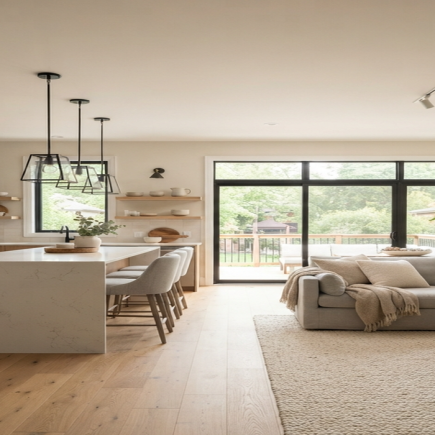
Living Room: The Social Hub
The living room is often the heart of the home and can be a perfect spot for a bird cage. Birds are naturally social, and having their cage in a space where the family gathers ensures that they remain involved in daily life.
Benefits:
- Birds can interact with family members and guests, reducing feelings of isolation.
- Exposure to natural light, which is good for their overall health.
- Birds enjoy the stimulation of family activities, which can reduce boredom.
Considerations:
- If the living room is too noisy or busy, it can stress your bird.
- Birds may feel threatened by loud or sudden movements, especially in high-traffic areas.
Kitchen: A Place for Interaction and Activity
Some bird owners place their cages in or near the kitchen because of the activity and social interactions. The kitchen can be a lively space that provides your bird with ample opportunities to interact with family members.
Benefits:
- Birds enjoy observing cooking and family activity, which provides mental stimulation.
- The kitchen offers good lighting and warmth, which is ideal for most birds.
Considerations:
- Keep the cage away from hot stoves, ovens, or toxic chemicals that are common in kitchens.
- Avoid placing the cage near sharp objects or cleaning agents that could harm the bird.
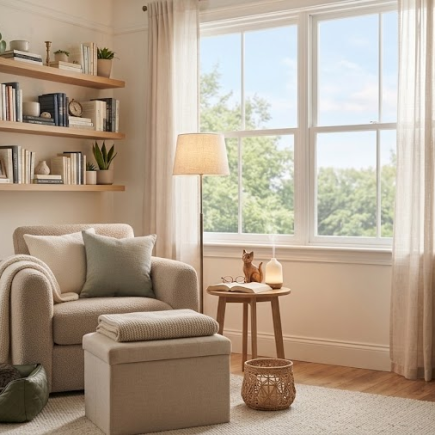
Bedroom: Quiet and Peaceful
The bedroom can be an ideal location if you’re looking to keep your bird in a quieter and more intimate setting. Birds can benefit from peace and quiet, especially during their sleep cycle.
Benefits:
- Reduced noise levels allow your bird to rest and sleep undisturbed.
- Birds can bond with you if the cage is near your sleeping area.
Considerations:
- The bedroom should be free from allergens such as dust, which could negatively affect the bird’s health.
- Avoid having the cage near electrical outlets or cables that could pose a safety risk.
Home Office: A Productive Space for Both You and Your Bird
If you work from home, placing the cage in your office can be an excellent idea. This allows you to spend time with your bird while you work, providing companionship throughout the day.
Benefits:
- Birds enjoy being part of your day and can keep you company while you work.
- A peaceful office space ensures your bird gets the quiet time it needs for relaxation.
Considerations:
- Avoid placing the cage near noisy electronics or machines like printers and computers, as they could stress your bird.
- Ensure that your bird’s cage is not too close to any potential distractions, such as cords or equipment that could be dangerous.
Factors to Avoid When Choosing a Location
While some places are ideal, others can make life difficult for your bird. Here are a few things to avoid when choosing a cage location:
- Avoid placing the cage in direct sunlight as it can cause overheating or dehydration.
- Keep the cage away from drafts, which can lead to illness or stress.
- Don’t position the cage in high-traffic areas, such as hallways or near doors, as constant movement may stress your bird.
- Avoid areas with excessive noise or chaos that could disturb your bird’s peace.
- Never place the cage near toxic items like cleaning products, electrical cords, or sharp objects.
- Make sure the cage is not near heat sources like stoves or radiators, as extreme temperatures can harm your bird.
- Do not place the cage in a space where the bird may be exposed to predators or other animals.
Height and Placement Within the Room
The height at which you place the bird cage is another crucial consideration for your bird’s comfort:
- Place the bird’s cage at eye level or slightly above to provide a sense of security and connection with its surroundings.
- Larger birds, like macaws and cockatoos, benefit from a higher cage position, as they prefer observing their environment from an elevated spot.
- Ensure the cage is at a height that allows easy access for feeding, cleaning, and interacting with your bird without straining.
- Choose a location where you can comfortably open the cage, replace food and water, and perform regular maintenance tasks.
Noise and Distraction Considerations
Birds are sensitive to noise and can become stressed if exposed to constant disruptions. When selecting a location, consider the noise levels of the area:
- Manage Noise Levels: Areas that are too noisy can disturb your bird’s natural rhythm, causing stress or anxiety. Ideally, place your bird in a quieter part of the home, away from televisions, radios, or loud conversations.
- Birds Need Quiet Time: Like humans, birds need time to rest and recuperate. Choose a spot where they won’t be constantly bombarded with loud noises or distractions.
Environmental Enrichment
Your bird’s cage placement should also encourage mental stimulation and environmental enrichment:
- Natural Light and Views: Birds enjoy observing the world around them, so placing their cage near a window (without direct sunlight) can give them something interesting to look at. This helps combat boredom and keeps them mentally stimulated.
- Proximity to Family Activities: While you don’t want to overwhelm your bird with constant noise, a location near family activities will help them feel included. It’s also an excellent way for birds to interact with the family and avoid feelings of isolation.
Finding the Perfect Spot for Your Bird’s Cage
Finding the perfect spot for your Bird Cage involves balancing comfort, safety, and interaction. Consider factors like temperature, noise, light, and space to create an environment where your bird thrives. Whether in a lively living room or a quiet bedroom, ensure your bird cage is placed for comfort and well-being.
FAQs
1. Should bird cages be covered at night?
Yes, covering your bird’s cage at night can help provide a sense of security and promote better sleep. It blocks out light and reduces disturbances, allowing your bird to rest undisturbed. However, not all birds need to be covered, so observe your bird’s response and adjust accordingly.
2. How can I help my bird adjust to a new cage location?
To help your bird adjust, move the cage gradually to its new location, allowing time for familiarization. Start by placing the cage in a temporary spot, then move it to its final position over a few days. Be sure to monitor your bird’s reaction and provide extra attention during the transition to minimize stress.
3. What should I do if my bird is stressed in its new cage location?
If your bird is stressed, try adjusting its environment. Ensure the cage is not in a noisy or overly busy area. Adding familiar toys or a cover at night can also help ease their anxiety. You can also try repositioning the cage to a quieter spot or give the bird more time to adjust.
4. Can placing my bird cage near a window affect its health?
While natural light is beneficial, direct sunlight can overheat your bird and cause dehydration. To avoid this, place the cage near a window but out of direct sunlight. Ensure the room has good ventilation, and monitor the temperature to ensure it stays comfortable for your bird.