

















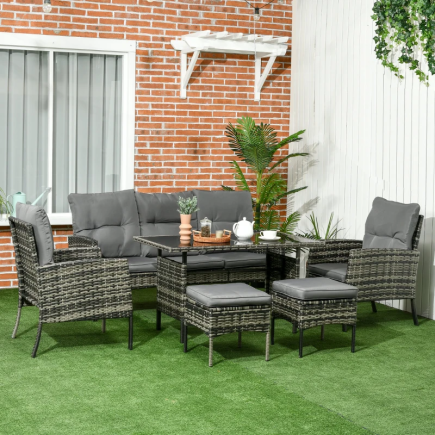








Outdoor lounge chairs can take a beating from exposure to the sun, rain, and wind, but replacing the fabric is an affordable and effective way to extend their life. Instead of throwing out your old chairs, you can easily replace the fabric and restore their appearance. This guide will walk you through the entire process of replacing the fabric on your outdoor lounge chairs, step by step.
Step 1: Assess the Condition of the Fabric
Before you start replacing the fabric, you need to assess its condition. Checking if the fabric is beyond repair will save you time and effort in the long run. If the fabric is too damaged, this is a great time to repair your outdoor lounge chair by replacing the fabric.
Signs the Fabric Needs Replacing
Here’s how to know when it’s time for a fabric replacement:
- Fading or Discoloration: The fabric has lost its original color due to prolonged exposure to the sun.
- Tears or Holes: The fabric has rips that are beyond simple patching.
- Sagging Fabric: If the fabric is loose or stretched out, it may not fit the chair properly anymore.
- Stubborn Stains: Fabric that has deep stains that can’t be removed, making the chair look worn.
If any of these signs are present, replacing the fabric will bring new life to your chair.
Step 2: Gather Your Tools and Materials
To replace the fabric, you’ll need a few basic tools and materials. Having everything ready will make the process much smoother.
Essential Tools You’ll Need
- Measuring Tape: To measure the old fabric accurately and cut the new fabric to the right size.
- Sewing Machine: A heavy-duty sewing machine that can handle outdoor fabric.
- Thread: Strong outdoor-grade polyester or nylon thread.
- Scissors: To cut fabric and trim excess material.
- Screwdriver: For removing screws or bolts from the chair.
- Fabric Pins or Clips: To hold fabric in place while you sew.
Fabric Options to Consider
- UV-Resistant Fabric: Prevents fading from the sun.
- Water-Resistant Fabric: Ideal for chairs exposed to rain.
- Mildew and Mold-Resistant Fabric: Best for humid environments.
- Durable Fabrics: Look for fabrics like Phifertex or Sunbrella, known for their durability and outdoor use.
Step 3: Measure the Old Fabric
Accurate measurements are key to ensuring the new fabric fits properly. Here’s how to measure the old fabric before cutting the new one:
How to Measure the Old Fabric
- Sling Length: Measure the length of the fabric from the beginning to the end of each sling rail.
- Add Seam Allowance: Add about one inch to each end of the fabric for seam allowance.
- Width of the Fabric: Measure the width between the sling rails at the top and bottom edges of the chair. These measurements may differ, so take note of any variations.
Step 4: Cut the New Fabric
Once you’ve got your measurements, it’s time to cut the new fabric. Follow the steps below for a precise fit. If you’re feeling creative, you can also build an outdoor lounge chair from scratch to create a custom design
How to Cut the Fabric
- Transfer Measurements: Use chalk or a fabric marker to mark the measurements on the new fabric.
- Cut the Fabric: Cut the fabric, leaving about 1 to 2 inches of extra material on each side for seam allowance.
By leaving extra fabric for seams, you’ll ensure the fabric fits properly and is easy to attach to the chair.
Step 5: Prepare the Fabric for Sewing
With the fabric cut to size, you’ll need to prepare the edges for sewing. Properly preparing the fabric helps prevent fraying and ensures clean seams.
Fold the Edges
- Fold the Raw Edges: Fold the raw edges of the fabric towards the back about half an inch. Pin or clip the fabric to secure it in place.
- Create a Neat Crease: Use the handle of your scissors to create a crease along the fold, making sure it’s even and neat.
- Fold the Sides: Fold the sides about one inch towards the back of the fabric. Pin or clip this fold as well to secure it.
Sew the Channels
- Sew two rows of stitching along the folded edges, making sure to backstitch at both ends. These channels will hold the spline that secures the fabric to the chair.
Step 6: Remove the Old Fabric and Prepare the Chair Frame
With the fabric prepared, it’s time to remove the old fabric and get the frame ready for the new one. Once the new fabric is in place, you may want to wash your lounge chair cushions to freshen them up and complete the transformation
Remove the Sling Rails
- Unscrew the Sling Rails: Use a screwdriver to remove the screws or bolts holding the fabric in place. Carefully remove the sling rails and set them aside.
Remove the Old Fabric
- Cut the Old Fabric: Cut the old fabric away from the frame and remove the spline with pliers. Take care not to damage the frame in the process.
- Clean the Frame: Sand down the chair frame to smooth any rough edges, and repaint it if necessary to give it a fresh look.
Step 7: Insert the Spline into the New Fabric
With the new fabric ready and the frame clean, it’s time to install the new fabric.
How to Insert the Spline
- Lubricate the Spline: Apply a small amount of petroleum jelly to the spline to make it easier to slide through the channels.
- Slide the Spline: Carefully slide the spline through the channels you sewed into the fabric.
Make sure the spline fits snugly in the channels to secure the fabric tightly.
Step 8: Attach the Sling Rails and Tension Bars
Now that the fabric is securely attached, reassemble the chair frame with the new fabric.
Reattach the Sling Rails
- Screw the Sling Rails Back in Place: Reattach the sling rails to the frame by securing them with screws or bolts. Ensure the fabric is tight and smooth across the frame.
Adjust the Tension
- Use a Rubber Mallet: If necessary, use a rubber mallet to adjust the tension bar, ensuring the fabric is taut and fits properly.
Step 9: Final Checks and Reassemble the Chair
With the fabric securely in place and the chair frame reassembled, it’s time to check everything to ensure a perfect fit.
Tighten All Screws
- Go over each screw and bolt, tightening them evenly to avoid uneven tension in the fabric.
Inspect the Fabric
- Ensure the fabric is stretched evenly across the frame and that there are no wrinkles or sagging areas.
Once everything is secure and even, your outdoor lounge chair is ready to be used again!
Enjoy Your Refreshed Outdoor Lounge Chairs
Replacing the fabric on your Outdoor Lounge Chairs is a simple and rewarding DIY project. It allows you to extend the life of your furniture while giving it a fresh, custom look. By following these easy steps, you can restore your chairs and enjoy a comfortable and stylish outdoor space for years to come.
FAQs
UV-resistant, water-resistant, and mildew-resistant fabrics like Phifertex or Sunbrella are ideal for outdoor chairs. These materials help extend the lifespan of your furniture while maintaining its appearance in harsh weather conditions.
To prevent fraying, fold and pin the raw edges of the fabric before sewing. Using a strong, outdoor-grade polyester thread and sewing double rows of stitches will help reinforce the fabric for a secure fit that lasts longer.
Measure your old fabric accurately, adding about one inch for seam allowance. After cutting the new fabric, ensure it’s folded neatly before sewing the channels and securing the spline. This method will ensure a tight, smooth fit across your chair’s frame.