






















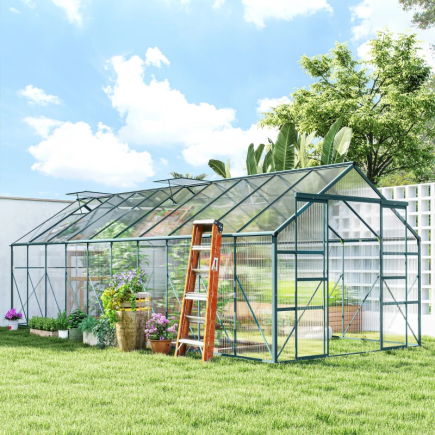
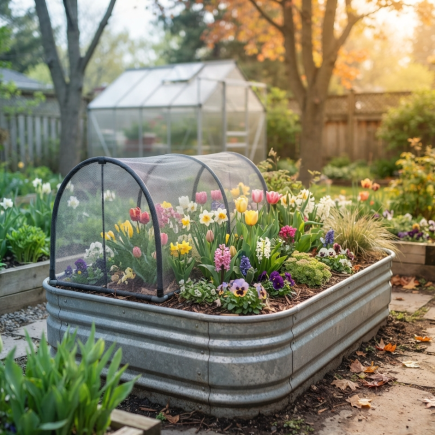









A greenhouse is a powerful tool that uses basic principles of science to create an optimal environment for plant growth. By harnessing light, heat, and air circulation, greenhouses offer numerous advantages for year-round gardening. In this article, we will break down how a greenhouse works, the essential factors to consider when using or building one, and how to optimize it for the best results.
The Basic Science: Greenhouses and Heat Retention
The core principle behind a greenhouse is its ability to trap heat. Here’s how it works:
- Light Absorption: Transparent materials like glass or plastic allow sunlight to enter the greenhouse.
- Conversion to Heat: The sunlight is absorbed by the plants, soil, and other objects inside, converting it into heat.
- Heat Retention: The heat released from these objects has a longer wavelength and is trapped inside the greenhouse, raising the internal temperature.
1. The Greenhouse Effect
This process is similar to the “greenhouse effect” in Earth’s atmosphere. Sunlight enters, is absorbed by objects inside, and gets converted into heat, which is retained due to the greenhouse’s opaque covering.
2. Heat Trapping Mechanism
- Polycarbonate Material: Often used in greenhouses due to its excellent thermal insulation, polycarbonate traps heat more effectively than glass.
- Nighttime Heat Retention: Even during colder nights or cloudy days, the greenhouse maintains warmth because heat doesn’t escape easily.
Step-by-Step Process: How a Greenhouse Works
Understanding the process behind how a greenhouse functions can help you make the most of this environment for your plants. Here’s the breakdown:
Step 1: Light Capture
Greenhouses are built with materials like glass or translucent plastic, allowing sunlight to penetrate. This sunlight is absorbed by the plants, soil, and other dark surfaces inside the greenhouse.
Step 2: Conversion of Light into Heat
- Heat Absorption: Once the sunlight is absorbed by the plants and materials, it is converted into heat.
- Darker Surfaces Absorb More: Dark-colored surfaces, like the soil, absorb more sunlight and, therefore, more heat.
Step 3: Heat Retention
The heat is trapped because the wavelength of infrared radiation (heat) is much longer than that of sunlight. This makes it difficult for heat to escape through the greenhouse covering.
Step 4: Temperature Regulation
While the greenhouse temperature tends to rise, it is important to maintain optimal conditions. Without proper ventilation, the heat can cause overheating.
- Regulating Heat: It’s essential to ensure that there is enough ventilation to prevent excessive warmth, which can harm plants.
Step 5: Photosynthesis Enhancement
With the right amount of light and warmth, plants in the greenhouse undergo photosynthesis producing their own food and growing more efficiently.
- Optimized Photosynthesis: The combination of sunlight, warmth, and CO2 in the greenhouse environment enhances the rate of photosynthesis, helping plants grow faster.
Effective Temperature Control in a Greenhouse
Temperature regulation is crucial to ensure healthy plant growth. Greenhouses typically maintain a temperature range between 60°F (16°C) and 86°F (30°C). Here are some methods to help regulate temperatures inside your greenhouse:
1. Ventilation Systems
- Manual Windows & Vents: Opening windows or setting up automatic vents helps release excess heat and cool the space down.
- Ventilation Fans: Adding fans can help circulate air and maintain an even temperature, preventing the greenhouse from becoming too hot.
2. Use of Thermal Mass for Temperature Regulation
- Thermal Mass Materials: Materials like bricks, concrete, and water barrels can absorb heat during the day and release it slowly at night.
- Even Temperature: These materials help buffer against temperature fluctuations, making the environment more stable.
3. Supplemental Heating Systems
In colder climates or during winter months, supplemental heating systems may be necessary.
- Electric Heaters: Keep the greenhouse warm when sunlight is insufficient.
- Propane Heaters: A more cost-effective solution for larger spaces.
- Under-floor Heating: Ideal for maintaining consistent warmth across the greenhouse.
Optimizing Ventilation for Healthy Plants
Ventilation is vital for ensuring your greenhouse remains healthy for plants. It plays a role in temperature, humidity, and CO2 management.
1. Humidification and Disease Prevention
- Humidity Control: Excess moisture can lead to fungal and bacterial diseases. Proper ventilation helps manage humidity and prevents these issues.
- Airflow: Circulating air keeps humidity levels balanced, preventing stagnant conditions.
2. Carbon Dioxide (CO2) Management
- CO2 Levels: Plants need CO2 for photosynthesis. Without proper ventilation, stale air can accumulate, reducing CO2 levels.
- Fresh Air Intake: Opening vents or using fans ensures that fresh air with adequate CO2 enters, promoting healthy plant growth.
Greenhouse Maintenance
Regular maintenance is key to keeping your greenhouse functioning optimally. Consider the following tips:
- Clean the Glass or Plastic Panels: Dust, dirt, and grime can block sunlight. Regularly clean the panels to ensure maximum light transmission.
- Monitor Humidity Levels: Use a hygrometer to keep humidity levels in check, ideally between 50% and 70%.
- Check Ventilation Systems: Make sure windows, fans, and vents are operational for efficient air circulation.
- Inspect for Pests and Diseases: Periodically check plants and the greenhouse structure for pests, and take action immediately to prevent infestations.
Choosing the Right Covering
The material used for the greenhouse covering plays a significant role in its performance. Here’s a quick comparison:
- Glass: Offers excellent light transmission but can be costly and prone to breakage.
- Polycarbonate: Provides good insulation and durability, especially in areas with extreme temperatures.
- Polyethylene: A cost-effective option with good light transmission, though it may need to be replaced periodically due to UV degradation.
Ready to Grow Your Garden?
A Greenhouse isn’t just a structure; it’s an investment in your garden’s success. Whether you’re growing tomatoes in the winter or starting seeds early in the spring, the right greenhouse setup can make all the difference. Keep these tips in mind, and you’ll be rewarded with healthier, faster-growing plants and bountiful harvests season after season!
FAQs
1. How can I prevent overheating during sudden hot spells?
Use retractable shade cloths or roll-up side panels to reduce direct sunlight quickly.Place reflective materials on greenhouse surfaces to deflect excess heat.Monitor temperatures with a digital thermometer to act before plants stress.
2. What’s the best way to manage pests without chemicals?
Introduce beneficial insects like ladybugs or predatory mites.Use sticky traps or row covers to catch and block pests.Rotate crops inside the greenhouse to reduce pest buildup.
3. How can I conserve water in my greenhouse efficiently?
Install drip irrigation to deliver water directly to plant roots.Collect rainwater or use a water barrel for irrigation.Mulch around plants to reduce evaporation and keep soil moist longer.