




















Dogs rely on smooth, steady movement to stay comfortable as they age, grow, or recover from physical changes. Even simple actions like climbing onto the bed or getting into the car can become challenging when joints feel sore or confidence drops. Dog ramps and dog stairs are two practical tools that support these everyday movements, each offering a different style of assistance.

Before choosing one, it’s important to understand how they guide a dog’s body, how they fit into your home, and which option truly matches your dog’s comfort level. This comparison breaks down every key difference so you can select the support that keeps your dog moving safely and confidently.
Understanding Mobility Challenges in Dogs
Dogs have a natural ability to hide discomfort. Many continue attempting jumps long after they start feeling stiff or hesitant.
Mobility challenges can show up in subtle ways, such as:
- Pausing before jumping
- Landing unevenly
- Moving slower than usual
- Showing stiffness after resting
- Avoiding favourite furniture or car rides
These signs often indicate:
- Joint sensitivity
- Age-related stiffness
- Early arthritis
- Reduced muscle strength
- Post-surgical recovery
A mobility aid supports these limitations by providing a safe, controlled way to reach elevated surfaces without unnecessary force.
What a Dog Ramp Is and How It Helps
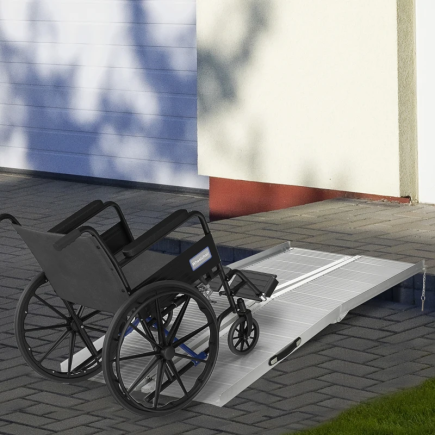
A Dog Ramp is a sloped surface that creates a gradual path upward. Instead of lifting their legs high or shifting weight suddenly, dogs simply walk forward with a steady motion.
Key Benefits of Ramps
- Reduced joint pressure due to continuous walking motion
- Comfortable for stiff or arthritic dogs
- Ideal for large dogs who are difficult to lift
- Helpful for dogs recovering from surgery
- Useful for vehicles, where height differences are significant
- Easier for dogs who hesitate on steps
Ramps are especially supportive for dogs that require low-impact movement or need assistance navigating higher surfaces without bending their joints sharply.
What Dog Stairs Are and Their Everyday Use
Dog Stairs mimic household steps but are adapted to a dog’s size. Many dogs already have familiarity with regular indoor stairs, so the transition feels natural.
Key Benefits of Stairs
- More compact than ramps
- Suitable for small spaces and furniture access
- Intuitive for dogs who already climb steps
- Defined surfaces give confident climbers clear footing
- Work well for moderate heights, like couches or beds
Stairs are a practical indoor solution when space is limited or when dogs feel secure navigating multiple small steps.
Dog Ramp vs Dog Stairs, Side-by-Side Comparison Table
| Category | Dog Ramp | Dog Stairs |
| Movement Style | Smooth, continuous walking | Step-by-step climbing |
| Joint Impact | Low impact; ideal for stiff or sensitive joints | Moderate impact; suitable for dogs with flexible joints |
| Best For | Seniors, large dogs, recovering dogs, arthritic dogs | Agile dogs, small confident climbers, furniture access |
| Space Needed | Requires more length for gentle incline | Compact, fits tight spaces |
| Ease of Use | Good for hesitant or unsteady dogs | Good for dogs used to regular stairs |
| Portability | Often foldable, great for vehicles | Usually fixed; more stationary |
| Stability Requirement | Needs secure incline and traction | Needs wide, stable steps with shallow rise |
| Learning Curve | Easy for dogs who dislike steps | Easy for dogs familiar with climbing |
When a Ramp Offers Better Support
A ramp is the better option in situations where dogs benefit from gentle, low-impact movement. It reduces the stress associated with lifting legs or bending joints.
A Ramp Is Most Helpful For:
- Senior dogs who struggle with flexibility
- Dogs with early or advanced stiffness
- Arthritic dogs experiencing pain when stepping
- Large dogs who are hard to lift safely
- Dogs recovering from surgery involving bones, muscles, or joints
- Dogs entering vehicles, where height is greater
- Dogs who tend to rush, making stairs risky
Additional Advantages
- Keeps dogs independent without the owner needing to assist every time
- Maintains natural walking posture
- Reduces chances of slipping during quick transitions
When Stairs Are the More Practical Choice
Dog stairs are useful when the height is moderate, and the dog is comfortable stepping upward.
Stairs Work Best For:
- Dogs already confident on steps
- Smaller living areas, where ramp length is not feasible
- Furniture-level access, such as beds or sofas
- Dogs with good joint flexibility and stable posture
- Owners who want a compact, tidy solution
Additional Advantages
- Provide defined stepping points that some dogs find more secure
- Fit easily into bedroom or living room setups
- Suitable for dogs that lift their legs comfortably and enjoy climbing
Factors That Influence Your Decision
Choosing between a ramp and stairs depends on both the dog’s physical condition and the layout of your home.
Dog-Specific Factors
- Age and mobility level
- Temperament, cautious vs confident
- Body size and stride length
- Presence of stiffness, sensitivity, or past injuries
Home & Environment Factors
- Available floor space
- Height of the target surface
- Indoor vs outdoor use
- Need for portability (e.g., car travel)
Additional Considerations
- Incline: A too-steep ramp discourages use.
- Step depth: Steep or narrow steps can intimidate dogs.
- Nail length: Long nails reduce traction and stability.
A well-matched tool makes movement easier, not more stressful.
Safety Considerations for Both Options
Even the best ramp or stairs won’t help if they feel unsafe. Confidence comes from stability and comfort, not appearance alone.
Important Safety Factors
- Traction: Non-slip surfaces prevent sliding.
- Alignment: Must sit flush with the surface to avoid gaps.
- Width & depth: Provides a stable area for each paw.
- Angle: Ramps must not feel overly steep.
- Foundation: Both tools should stay firmly in place without wobbling.
A safe setup encourages your dog to use the mobility aid naturally and without hesitation.
Common Mistakes Pet Owners Make
These mistakes often lead to dogs refusing to use ramps or stairs:
- Choosing height or incline unsuitable for the dog
- Selecting surfaces that are too slippery
- Buying steps too narrow for the dog’s stride
- Placing mobility aids in awkward or unstable locations
- Expecting instant adaptation instead of gradual training
- Ignoring nail trims that affect traction
- Introducing mobility support too late, after severe discomfort begins
Avoiding these mistakes improves long-term success and confidence.
Choosing between a Dog Ramp or stairs isn’t about picking the “better” product, it’s about understanding how your dog naturally moves and matching them with the support that feels easiest for their body. Some dogs feel secure on defined steps, while others move more comfortably on a steady incline.
FAQs
1. My dog keeps jumping over the ramp instead of using it. What should I do?
Place the ramp in a way that blocks the jumping path, then guide your dog slowly with treats. Start with a very low incline and increase it gradually. Once the dog learns there’s no shortcut, the ramp becomes the natural route.
2. What if my dog refuses to use stairs or a ramp because of fear?
Fear often comes from instability or unfamiliar texture. Start by letting your dog explore the surface without climbing, reward calm behaviour, and ensure the aid doesn’t wobble. Slow, positive exposure helps build trust.
3. My home has limited space. How do I decide which option fits better?
If floor space is tight, stairs usually fit more naturally beside furniture. For narrow bedrooms or hallways, a foldable ramp that stores under the bed may still work. Measure the usable area before choosing.
4. Should I use both a ramp and stairs in different areas of my home?
Yes, many dogs benefit from mixed setups. A ramp may be ideal for the car or higher beds, while stairs work better for low furniture. Matching the tool to the height and space improves safety and comfort.
5. How do I know if the ramp angle is too steep for my dog?
If your dog hesitates, slips, or leans heavily while climbing, the angle may be too sharp. Extend the ramp farther or choose a longer model to create a gentler, safer incline.