
















A shed is one of the most practical structures you can add to a garden. It creates organised space for tools, bikes, equipment, and seasonal outdoor items that would otherwise clutter the house or garage. When chosen correctly, a shed can also serve as a small workspace, hobby area, or gardening station.
However, selecting the right shed involves more than simply choosing a design that looks good. Size, placement, materials, structure, and accessibility all affect how useful the shed will be over time. This guide walks through the key steps in order so you can choose a shed that fits your space, storage needs, and long-term use.
Step 1: Decide What You’ll Use the Shed For
Everything about your shed begins with its purpose. The way you plan to use it determines the size, layout, doors, and features you should prioritise. Clearly defining the shed’s function helps prevent choosing a model that lacks the space or functionality required later.
Common Shed Uses
- Tool and equipment storage: basic shelving and compact floor space
- Bike or machinery storage: wider doors and stronger security
- Potting shed or gardening workspace: windows and ventilation help
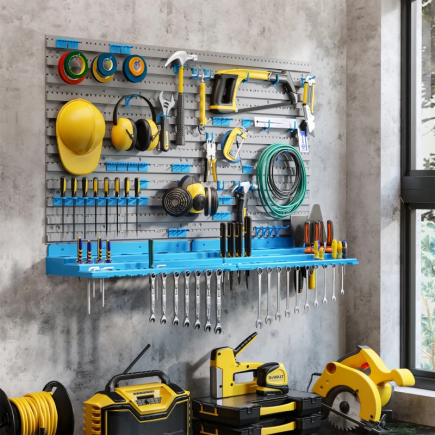
- Workshop or DIY space: requires workbench space and lighting
- Hobby room or craft space: needs comfortable interior layout
- Storage for outdoor furniture: larger floor space required
Consider Future Storage Needs
Storage needs often grow over time as new tools or equipment are added. Planning for slightly more space now can prevent overcrowding later.
Tip: If the primary need is storing large outdoor items such as bins or bikes, compact outdoor storage boxes may sometimes be more space-efficient than a full shed.
Step 2: Choose the Right Shed Size
Shed size determines how much you can store and how easy the space is to use. A shed that is too small becomes cluttered quickly, while an oversized shed may occupy unnecessary garden space.
The goal is to select a shed that provides enough storage while still allowing movement inside.
Common Shed Size Categories
| Shed Size | Typical Dimensions | Best Use |
| Small | Up to 6 × 8 ft | Tools, bins, compact storage |
| Medium | 8 × 10 ft – 10 × 14 ft | Bikes, lawnmowers, hobby use |
| Large | 12 × 16 ft or larger | Workshops or large storage |
Measuring the Available Space
Before purchasing a shed, measure the available garden area carefully.
- Allow space for doors to open fully
- Consider roof overhang beyond the base
- Leave space around the shed for maintenance
- Avoid placing it directly against fences
Tip: Mark the shed footprint with stakes or string to visualise how much space it will occupy in the garden.
Step 3: Choose the Best Location in the Garden
The shed’s location affects accessibility, stability, and durability. A poorly placed shed may suffer from water buildup, limited access, or uneven ground. Choosing the right location ensures the shed remains functional and easy to maintain.
Ideal Shed Location Checklist
A suitable location should be:
- On firm and level ground
- In a dry area with good drainage
- Easily accessible from the house
- Away from large trees and falling branches
- Positioned so doors can open comfortably
Sunlight and Ventilation Considerations
If placement needs change later, it is still possible to move a shed, but relocating it requires careful lifting and a stable new base.
Tip: Leave at least 18 inches of space around the shed to allow airflow and maintenance access.
Step 4: Choose the Right Shed Material
Shed materials influence durability, maintenance, and overall appearance. Each type offers different advantages depending on climate conditions and storage needs. Selecting the right material helps ensure the shed performs well outdoors for years.
Shed Material Comparison
| Material | Durability | Maintenance | Appearance |
| Timber | High | Needs occasional treatment | Natural garden look |
| Metal | Very durable | Low maintenance | Industrial style |
| Plastic | Moderate | Minimal maintenance | Modern design |
Material Characteristics
- Timber sheds blend naturally with garden surroundings and can be painted or customised.
- Metal sheds provide strong security and resist pests or rot.
- Plastic sheds are lightweight, weather resistant, and require little maintenance.
Tip: Pressure-treated timber or corrosion-resistant metal structures generally last longer outdoors.
Step 5: Select the Best Roof Style
The roof design influences both the shed’s appearance and interior space. Some roof styles provide more headroom while others work better in compact spaces.
Choosing the right roof style ensures both practicality and weather protection.
Common Shed Roof Types
| Roof Style | Key Benefit |
| Apex | Traditional design with maximum headroom |
| Pent | Modern look suitable near fences |
| Reverse Apex | More wall space for shelving |
| Gambrel | Extra overhead storage |
| Hip | Strong structure for windy areas |
Roofing Materials
Common roofing materials include:
- Mineral felt
- Cedar shingles
- Slate-effect tiles
- Corrugated roofing sheets
Tip: The roof absorbs the most weather impact, so investing in durable roofing material improves longevity.
Step 6: Choose Doors and Windows Carefully
Doors and windows influence accessibility, lighting, and ventilation. Proper planning makes the shed easier to use and more comfortable inside.
Door Options
- Single doors: suitable for small storage sheds
- Double doors: ideal for bikes, lawnmowers, or bulky equipment
Window Options
Windows improve natural lighting and airflow.
Features to consider include:
- Toughened safety glass
- Opening windows for ventilation
- Strategic placement for natural light
Tip: If security is important, choose smaller windows or windowless shed designs.
Step 7: Plan Shed Security
Sheds often store valuable equipment, tools, and bicycles. Adding basic security measures helps protect these items.
Even simple upgrades can significantly improve shed security.
Useful Shed Security Features
- Heavy-duty door locks
- Reinforced hinges
- Security screws
- Window bars or grilles
- Motion-activated lights
The best way to lock a shed involves using strong locks, reinforced doors, and proper hinge protection.
Tip: Installing motion lights near the shed can discourage opportunistic theft.
Step 8: Set a Realistic Shed Budget
Shed prices vary widely depending on size, materials, and build quality. Setting a budget early helps narrow down options without overspending.
Investing in quality construction often saves money on maintenance later.
Budget Planning Tips
Prioritise spending on:
- Strong structural framing
- Durable roofing materials
- A reliable base foundation
Tip: Spending slightly more on quality materials can significantly extend the shed’s lifespan.
Choosing a Shed That Works for Your Garden
Choosing the right Shed becomes much easier when decisions follow a logical order. By considering purpose, size, location, materials, and structure step by step, you can select a shed that remains practical and durable.
A well-chosen shed improves organisation, protects valuable equipment, and creates a dedicated storage space that supports everyday outdoor activities.
FAQs
Choose a medium-sized shed (around 8 × 10 ft or larger) if storing multiple types of equipment. This allows space for shelving while still leaving room to move inside. Planning extra floor space helps avoid overcrowding as storage needs grow.
In many cases, small sheds used for storage do not require planning permission. However, local building rules may apply depending on shed height and placement. Checking local regulations before installation helps avoid future compliance issues.
Natural lighting can be improved by choosing sheds with windows or skylight panels. Reflective interior surfaces or light-coloured walls also help brighten the space. Solar-powered lights are another simple option for sheds without electrical wiring.
Good ventilation is key to preventing heat buildup inside a shed. Roof vents, small windows, or ventilation panels help circulate air. Placing the shed where it receives partial shade during the day can also reduce internal temperatures.