












Starting a garden as a complete beginner comes down to four decisions, pick the right spot, start small, choose easy plants, and use a raised bed or container if your soil isn’t ideal. You don’t need a green thumb. You need a simple system you can repeat every week. This guide walks through exactly that system, step by step.
Why Starting a Garden Feels So Overwhelming
Most gardening advice assumes you already know the jargon “hardening off,” “companion planting.” It buries the one thing you need under ten things you don’t.
The truth is simpler than it looks. A first garden succeeds or fails based on a handful of decisions made before a single seed touches soil. Get those right, and the rest is mostly just watering and patience.
Step 1: Choose the Right Spot for Your Garden
Before buying anything, answer one question: how much direct sunlight does your space get?
- Most vegetables need 6+ hours of direct sun per day.
- Herbs and leafy greens can manage within 4–6 hours.
- Anything under 4 hours limits you to shade-tolerant plants only.
Walk your yard, balcony, or patio at three points in the day morning, midday, late afternoon and note where the sun actually lands.
Once you know your sunniest spot, decide how you’ll plant:
- In-ground beds: Cheapest, but only works if your soil already drains well and isn’t full of clay or debris.
- Containers: Good for balconies, rentals, or testing the waters with just a few pots.
- Raised garden beds: The most forgiving option for beginners, especially with poor soil, drainage issues, or a small yard you want kept tidy.
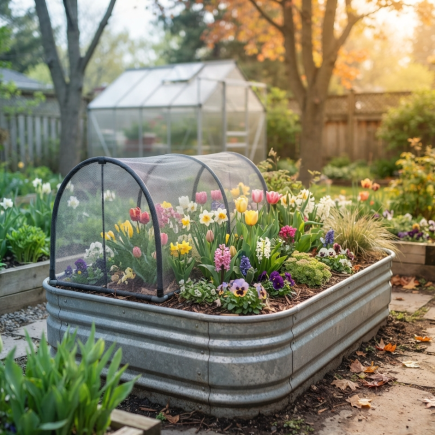
Raised beds solve two common beginner problems at once: bad native soil and constant weeding, since you fill them with fresh soil from day one. An Outsunny Galvanized Raised Garden Bed is a solid starting point; the steel frame resists rust and warping, and the open-bottom design still lets roots reach natural soil below. If you’d rather cut down on daily watering, an Outsunny Raised Bed With A Built-In Self-Watering Reservoir holds water at the base and feeds roots gradually, which forgives the occasional missed watering day.
Step 2: Start Small Resist the Urge to Plant Everything
The single most common beginner mistake: planting too much, too soon. A 4×8 ft bed or two medium containers is plenty for a first season.
That’s enough space to:
- Learn your watering habits before scaling up.
- Spot pest or disease problems early, while they’re still manageable.
- Actually harvest something before burnout sets in.
Beginner-friendly plants that forgive mistakes:
| Plant | Sunlight Needed | Time to Harvest | Difficulty |
| Lettuce & leafy greens | 4–6 hrs | 30–45 days | Very easy |
| Cherry tomatoes | 6–8 hrs | 60–75 days | Easy |
| Bush beans | 6 hrs | 50–60 days | Easy |
| Herbs (basil, mint, chives) | 4–6 hrs | 20–30 days | Very easy |
| Peppers | 6–8 hrs | 70–85 days | Moderate |
Pick three to five of these for your first garden. Success with a few plants builds the habits you’ll need before scaling up next season.
Step 3: Get the Tools That Actually Matter (Skip the Rest)
Skip the full gardening-catalogue haul. A beginner setup really only needs:
- A trowel and hand fork.
- Gardening gloves.
- A watering can or hose with an adjustable nozzle.
- A raised bed, containers, or a defined in-ground plot.
- Bagged garden soil or compost.
Somewhere to keep it all a small Outsunny Garden Shed keeps tools, soil bags, and pots dry and out of the weather instead of cluttering a porch or garage corner.
Two extras are worth adding early rather than after something goes wrong:
- Pest protection: If rabbits, birds, or deer are common where you live, an Outsunny Crop Cage With Zippered Mesh Doors sits directly over a raised bed, letting light and water through while keeping animals out. Unzip it to weed or harvest, then close it back up.
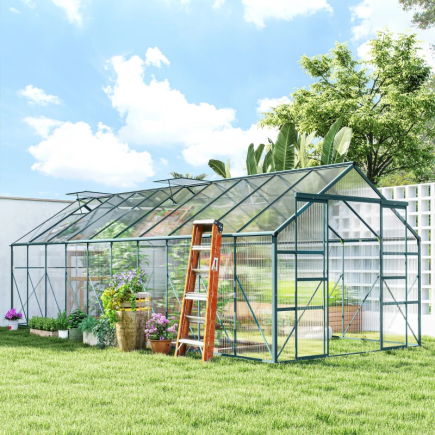
- Season extension:A compact Outsunny Mini Greenhouse adds weeks to either end of your growing season in colder climates, which matters most while you’re still learning timing.
Step 4: Learn a Simple Watering and Care Routine
Overwatering not underwatering is the top reason beginner plants die. Roots need oxygen as much as water, and soggy soil suffocates them.
A simple weekly rhythm that works for most beginner gardens:
- Push a finger 1–2 inches into the soil water only if it feels dry.
- Water deeply 2–3 times a week rather than a little every day.
- Water in the morning leaves dry before evening, which reduces fungal issues.
- Add a 2-inch layer of mulch to slow evaporation and block weeds.
Raised beds and containers drain faster than in-ground soil, so they typically need slightly more frequent watering. Check the soil directly rather than following a rigid schedule.
Raised Bed vs. Container vs. In-Ground: Which Should a Beginner Choose?
● Choose in-ground planting if your soil already drains well and isn’t compacted, and weeds spreading in from the lawn don’t worry you. Cheapest option, least control over soil quality.
- Choose containers if you’re gardening on a balcony, patio, or rental property where digging isn’t an option. Lowest commitment if you’re just testing whether you enjoy it.
- Choose a raised garden bed if your soil is poor or unknown, you want a clearly defined space, or you’d rather not bend to ground level every time you weed. Galvanized steel also outlasts wood over multiple seasons, since it resists warping, rot, and rust.
For most beginners, a raised bed strikes the best balance: full control over soil, built-in drainage, and defined edges that make it obvious where to plant. A single 5×3 ft or 6×3 ft bed is enough for a first season’s worth of vegetables and herbs without becoming a chore to maintain. If you plan to grow climbers like beans, cucumbers, or sweet peas, an Outsunny Raised Bed With A Built-In Trellis gives vertical support from day one, so you’re not adding stakes or netting later.
What Kind of Soil Should You Fill a Raised Bed With?
Don’t dig up soil from your yard and dump it straight into a new raised bed. Native soil is often compacted, low in nutrients, or full of weed seeds.
Instead, fill a new bed with a mix of:
- Bagged garden soil or topsoil (the bulk of the volume).
- Compost or aged manure (adds nutrients).
- A bit of perlite or coarse sand if drainage seems slow.
Most garden centres sell a pre-mixed “raised bed soil” or “garden soil” blend that handles this ratio for you, the simplest option if you’re not ready to mix your own.
Common Beginner Gardening Mistakes to Avoid
- Planting too many varieties at once: Stretches your attention thin and makes it harder to learn any one plant’s needs.
- Ignoring drainage: Containers and raised beds both need proper drainage holes or an open bottom; standing water rots roots fast.
- Wrong plant for the light conditions: A tomato in partial shade will struggle no matter how well you care for it otherwise.
- Skipping mulch: Bare soil dries out faster and invites more weeds.
- Waiting to add pest protection: It’s easier to cover a bed with a crop cage from day one than to fix an animal problem after it starts.
Do I Need a Raised Garden Bed If I Already Have a Backyard?
Not strictly, but it solves problems many backyards have without an easy fix: compacted soil, poor drainage, or soil contaminated by old construction material. A raised bed also keeps garden boundaries clean and spares your back from bending to ground level.
A raised bed is worth adding even with an existing backyard if:
- Your lawn soil is hard, rocky, or slow to drain after rain.
- You want a clearly defined space instead of digging into the lawn.
- You’d rather not kneel or bend to ground level every time you weed or harvest.
- You want to control exactly what soil your plants grow in from day one.
How Much Sunlight Does a Beginner Garden Actually Need?
Most vegetables need 6+ hours of direct sunlight daily. Leafy greens and herbs can manage within 4–6 hours, which makes them a good choice for partially shaded yards or balconies.
A quick way to match plants to your light:
- 6–8+ hours (full sun): Tomatoes, peppers, cucumbers, beans.
- 4–6 hours (part sun): Lettuce, spinach, most herbs.
- Under 4 hours (shade): Stick to leafy greens or skip vegetables and grow shade-tolerant flowers instead.
If you’re not sure how much sun a spot gets, track it for one full day before planting it’s the single most reliable way to avoid putting a sun-loving plant somewhere it will never thrive.
What’s the Easiest Vegetable to Grow for a First-Time Gardener?
Lettuce and other leafy greens are typically easiest. They grow quickly, tolerate minor watering mistakes, and don’t need staking, pollination help, or a long growing season.
Other beginner-friendly options worth adding alongside lettuce:
- Radishes: Ready to harvest in as little as 25–30 days.
- Bush beans: Low-maintenance and don’t need a trellis.
- Herbs like basil or mint: Forgive irregular watering and grow well in containers.
Starting with two or three of these together gives you variety without adding much extra difficulty. After that you can try other vegetables as well which are easy to grow in a raised bed.
Do I Need to Protect My Garden From Animals Right Away?
If rabbits, birds, or deer are common in your area, set up protection like a mesh crop cage over a raised bed before you see damage rather than after. Prevention is far less work than trying to save partially eaten plants.
Signs it’s worth adding protection from the start:
- You’ve seen rabbits, deer, or birds regularly in your yard or neighbourhood.
- Neighbours with gardens have mentioned animal damage.
- You’re growing seedlings, which are far more vulnerable than mature plants.
- Your garden isn’t fenced or otherwise enclosed already.
A simple mesh crop cage over a raised bed handles most of this without blocking sunlight or making watering harder.
What to Do Once Your First Garden Is Established
Once you’ve made it through one full growing season, scaling up is a natural next step rather than a leap into the unknown. Common next moves include:
- Adding a second raised bed once you know how much time you realistically have for upkeep.
- Extending your growing season with a small greenhouse or grow tunnel, so seedlings can start earlier in spring and stay going later into fall.
- Adding trellising for climbing plants, which saves ground space and improves airflow.
- Rotating what you plant each season in the same bed, to avoid depleting the same nutrients repeatedly.
None of this needs deciding now. A first garden exists to teach you your space, your climate, and your own habits. Everything after builds on what you learn in these first few months.
Start This Weekend
You don’t need a perfect plan to start gardening. You need a sunny spot, a small defined space, three or four easy plants, and a simple watering routine. A raised garden bed removes the guesswork around soil quality and drainage, two of the biggest hurdles for anyone growing something for the first time. If you’re looking for an easy way to get started, Outsunny raised garden beds available at Aosom Canada offer practical options for beginners. Pick your spot, choose your first few plants, and get something in the ground this weekend. Everything else, you’ll learn by doing.
FAQs
Water your garden when the top 1–2 inches of soil feel dry rather than following a fixed schedule. Most beginner gardens need deep watering two or three times a week, though raised beds and containers may need watering more often in hot weather.
Adding a 2-inch layer of mulch is one of the easiest ways to reduce weeds and help the soil retain moisture. Raised garden beds also make weed control easier by creating a defined growing area with fresh, weed-free soil.
Yes. You can start gardening with raised garden beds or containers without digging into your lawn. They’re ideal for beginners because they offer better soil control, good drainage, and a simple setup that’s easy to maintain throughout the season.