












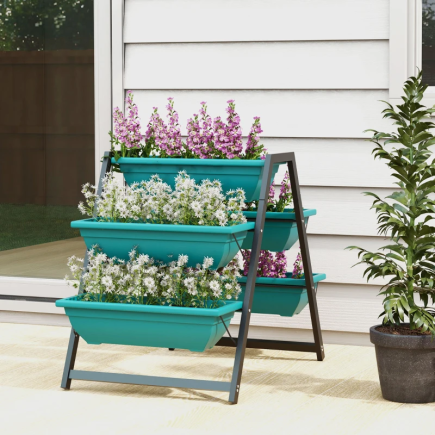









Raised garden beds offer numerous advantages for vegetable gardeners, particularly those facing poor soil quality, limited space, or tough growing conditions. These beds allow for better soil management and drainage, making it easier to create ideal conditions for plant growth. Additionally, their elevated structure provides a more ergonomic gardening experience, reducing strain on the body …
what to plant in raised garden bed?
Raised garden beds are a wonderful way to grow plants, especially for beginners. They offer better drainage, allow you to control the soil quality, and reduce the physical strain of gardening by bringing your plants up to a comfortable height. 1. Preparing Your Raised Bed for Planting Once you have your raised bed, it’s time …

What to Put on Bottom of Raised Garden Bed with Legs
A raised garden bed with legs improves drainage, accessibility, and pest resistance compared to ground-level beds. Elevation allows air to circulate beneath the structure and reduces direct soil contact with surrounding ground. However, what you place at the very bottom determines how well the bed drains, how stable the soil remains, whether pests can enter, …
How to build a raised garden bed(Step-by-Step Guide)
A raised garden bed creates a dedicated space for growing plants while improving drainage, soil quality, and garden organisation. Instead of working with compacted ground, a raised structure allows better control over growing conditions and makes planting easier on the body. It also helps keep weeds contained and prevents soil from spreading into surrounding areas. …
What to Grow in a Small Greenhouse
Unlocking the Potential of Small Greenhouses Gardening is a fulfilling and sustainable activity, but limited space can often be a barrier. Enter the small greenhouse – a powerful solution that allows you to grow a wide variety of plants year-round. Whether you’re looking to grow herbs, vegetables, fruits, or even flowers, a small greenhouse offers …
How To Make A Greenhouse Planting Schedule
A greenhouse planting schedule is the backbone of consistent, year-round growing. Without a clear system, crops overlap poorly, beds sit idle, and growth slows at the wrong time. A well-structured schedule aligns crops with light availability, temperature patterns, and growth cycles so each plant enters the greenhouse at the right moment and leaves space ready …
How Many Plants Can You Grow in a Greenhouse?
Greenhouses offer an ideal environment for growing various plants by extending the growing season, protecting from pests and harsh weather, and creating controlled conditions tailored to specific plant needs. However, overcrowding in a greenhouse can lead to poor plant health due to limited airflow, increased competition for water and nutrients, and higher risk of disease. …
10 Budget-Friendly Greenhouse Roof Ideas That Still Work
A greenhouse roof does much more than cover plants. It shapes how sunlight enters, how heat builds or escapes, how moisture drains, and how well the structure holds up over time. A poorly chosen roof can lead to overheating, water damage, or unstable growing conditions. This guide explores low-cost greenhouse roofing options that balance affordability, …
Which material to choose for greenhouse: glass, polycarbonate and polyethylene
Choosing the right greenhouse glazing material plays a critical role in plant growth, temperature stability, energy efficiency, and long-term maintenance. While glass, polycarbonate, and polyethylene all allow sunlight into a greenhouse, they differ significantly in how they handle heat, light diffusion, UV exposure, durability, and operating costs. This guide compares the most commonly used greenhouse …