



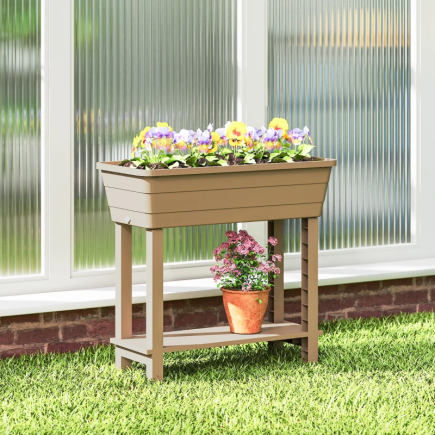
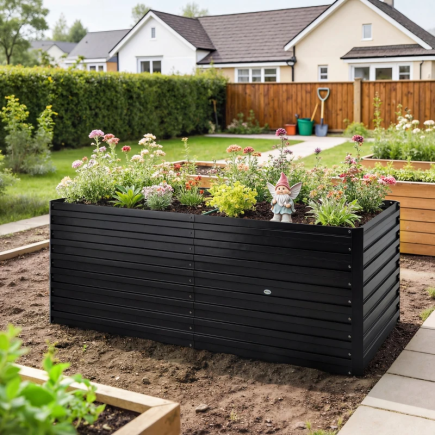














A wooden raised bed is continuously exposed to moisture, soil pressure, irrigation, and changing temperatures. Over time, repeated cycles of wetting and drying weaken the wood fibres, causing cracks, warping, and eventual rot if the timber is not properly protected.
When sealing, lining, and drainage are handled correctly as a system, a wood raised bed can remain structurally sound for 10–15 years or longer. The steps below follow a logical order to ensure lasting durability and straightforward implementation.
Step 1: Select the Right Wood
The durability of a raised bed starts with timber choice, especially when you build raised bed structures designed for long-term use. Choosing strong, rot-resistant lumber significantly reduces long-term structural issues.
Recommended Wood Types
- Cedar – Naturally resistant to insects and decay
- Redwood – Dense and highly durable in moist soil
- Douglas Fir – Moderately durable; performs well when sealed
- Pine – Budget-friendly but requires thorough protection
Boards should be at least 1.5 inches thick. Thinner lumber absorbs moisture more quickly and deteriorates faster.
Expected Lifespan Comparison
| Wood Type | Unsealed | Properly Sealed | With Drainage + Lining |
| Pine | 3–5 years | 7–10 years | 10–12 years |
| Douglas Fir | 5–7 years | 8–12 years | 12+ years |
| Cedar | 8–12 years | 12–15 years | 15+ years |
| Redwood | 10–15 years | 15–20 years | 20+ years |
Even naturally durable wood benefits from sealing. Sun exposure and repeated moisture gradually break down surface fibres over time.
Step 2: Dry and Prepare the Wood
Applying sealant to damp wood traps moisture inside, accelerating decay. Proper preparation ensures deep penetration and long-term adhesion.
Allow the Wood to Dry
- Ideal moisture content: 12–18%
- Fresh lumber may contain 20–30% moisture
- Air-dry boards for 7–14 days before sealing
Clean the Surface
- Brush away dirt and debris
- Wash lightly with mild soap
- Allow to dry completely for 24–48 hours
Sand Key Areas
Light sanding improves sealant absorption, particularly on:
- Cut ends
- Corners
- Rough grain
- Drill holes
End grain absorbs significantly more moisture than flat surfaces and requires careful sealing.
Step 3: Choose a Soil-Safe Exterior Sealant
Because raised beds grow edible crops, sealants must be exterior-rated and safe for soil contact. Penetrating finishes outperform thick surface coatings because they move with the wood instead of cracking.
Suitable Sealant Options
- Pure linseed oil
- Polymerized linseed oil
- Pure tung oil
- Low-VOC water-based exterior sealant
- Exterior oil-based stain labeled safe for garden use
Avoid
- Creosote
- Used motor oil
- Interior polyurethane
- Heavy solvent deck treatments
Resealing Frequency
| Climate | Recommended Interval |
| Dry | Every 2–3 years |
| Moderate rainfall | Every 1–2 years |
| Heavy rainfall or freeze-thaw | Annually |
Step 4: Seal Boards Before Assembly
This is the most critical sealing stage. Every board should be sealed individually before construction. Once assembled, interior faces and hidden end grain become inaccessible.
Tools Needed
- 3–4 inch natural-bristle brush
- Stir stick
- Disposable gloves
- Drop cloth
- Clean rags
Application Process
- Lay boards flat in a ventilated area.
- Stir sealant thoroughly before and during use.
- Apply a thin coat along the grain.
- After 20–40 minutes, wipe away excess oil.
- Allow 24 hours to dry.
- Apply a second thin coat.
- Add a third coat to end grain, bottom edges, and interior surfaces.
Coverage Guide
| Surface | Approximate Coverage |
| Flat boards | 250–350 sq ft per gallon, per coat |
| Standard 4×8 ft bed | About ½ gallon for two coats |
| End grain | Requires additional coats |
Multiple thin coats provide better protection than one heavy layer.
Step 5: Assemble the Bed and Seal Joints
After the boards are sealed and fully dried, assemble the frame. Proper fastening prevents moisture entry at connection points.
Fastener Selection
- Use galvanized or stainless steel screws
- Avoid standard steel, which corrodes outdoors
- Reinforce corners with galvanized L-brackets
Joint Sealing
- Brush sealant on both mating surfaces before fastening
- Pre-drill pilot holes
- Brush sealant inside each pilot hole
- Allow sealant to become slightly tacky before inserting screws
Final Exterior Coat
Once assembled, apply another thin coat to:
- Newly cut ends
- Joint seams
- Screw heads
- Top edges
Step 6: Install an Interior Lining
Sealed boards still face constant soil moisture. A breathable lining reduces direct contact while allowing airflow.
Recommended Options
- Heavy-duty landscape fabric – Best for most climates
- Perforated pond liner – Ideal for wet environments
Avoid solid plastic sheeting, which traps condensation.
Installation
- Cut lining with extra overlap at corners.
- Staple securely every 4–6 inches.
- Overlap corners and staple flat.
- Leave the base open for drainage before adding soil or preparing the fill for vegetable planting .
- Trim excess above the top edge.
Step 7: Improve Drainage Beneath the Bed
Standing water is the greatest threat to timber longevity. Good drainage extends lifespan more effectively than additional sealant coats, particularly depending on the material used for filling inside the bed.
Drainage Improvements
- Add 2–3 inches of gravel beneath the frame
- Slightly elevate the bed to create airflow, especially if you need to level on slope ground to prevent water pooling.
- Grade soil so water flows away
- Keep mulch away from exterior walls
Lifespan Impact
| Drainage Setup | Estimated Lifespan Increase |
| Direct soil contact | Baseline |
| Gravel base | +2–3 years |
| Gravel + air gap | +3–5 years |
| Gravel + lining | +5–7 years |
Step 8: Protect the Top Edge
The top edge receives the most rainfall and sun exposure. Cracks typically begin here.
Protection Methods
- Cap board with slight overhang
- Bevel cut for runoff
- Extra sealant coats
- Metal drip-edge strips in heavy rainfall climates
Seal the underside of any cap board before installation.
Step 9: Annual Inspection and Maintenance
A yearly inspection prevents minor wear from structural failure. Early spring or late autumn are ideal times.
Inspect
- Bottom edges for softness
- Corners and seams for gaps
- Screws for rust
- Lining for tears
- Top edges for cracks
- Areas where sealant appears worn
Resealing Guide
| Climate | Interval |
| Dry | Every 2–3 years |
| Moderate rainfall | Every 1–2 years |
| Heavy rainfall or freeze-thaw | Annually |
When resealing, lightly sand rough areas and apply one or two fresh thin coats. Complete stripping is rarely necessary.
With proper timber selection, careful sealing, breathable lining, and effective drainage, a Wood Raised Bed can remain strong and productive for well over a decade. Each step builds upon the previous one, helping you properly layer raised bed protection and create a layered defense against moisture and environmental stress..
FAQs
Press a screwdriver into lower boards and corners gently. If the wood feels soft or flakes easily, moisture damage has begun. Address early by drying the area and resealing immediately.
Interior boards usually last longer if lined properly. Focus yearly maintenance on exposed top edges and joints first. Recoat interior surfaces only when wood looks dry or faded.
Modern treated lumber is safer than older formulas. However, many gardeners still prefer naturally rot-resistant timber. If used, line the interior to limit soil contact.